







- Admission
- Free
- Hours
- Closed to the public
- Where
- Jaen, Andalusia
- Directions
- Directions
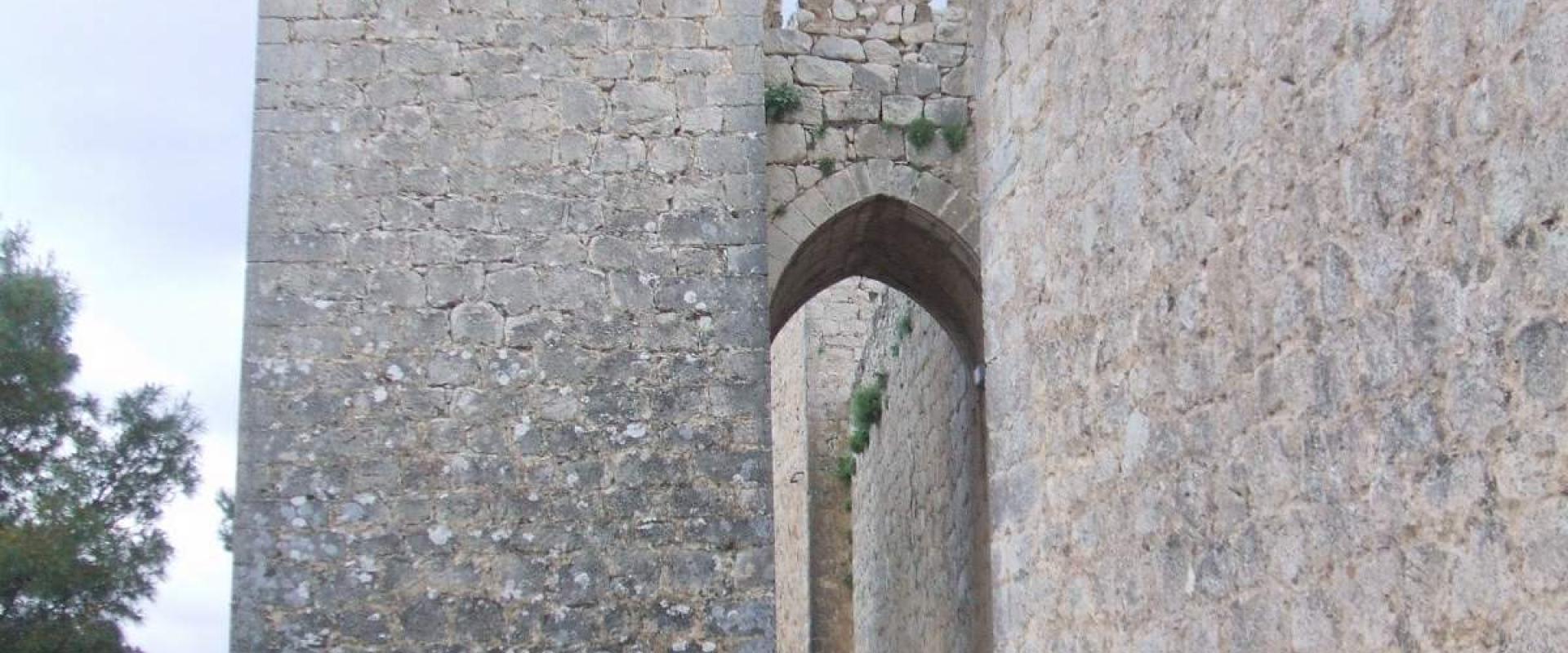
The Castle of Santa Catalina stands on a crag above the city of Jaén, in Andalusia, an Andalusian fortress that watched over Jaén’s old town, and it is among the most important fortresses in the south of Spain. The hill is a rocky spur of the Sierra de Jabalcuz, about 800 metres high, which rises behind the old town, and from the castle the view takes in the whole city and a landscape that is among the most distinctive in Spain: a sea of olive trees stretching in rows to the horizon. The province of Jaén is the leading producer of olive oil in the world, and the green and silver hills of olives surround the city in every direction.
The hill was fortified in antiquity, and the Moorish rulers of Jaén built a strong alcazaba here, known as the Old Castle, which formed part of the defences of the Nasrid kingdom of Granada. Jaén was the key to the road between Castile and Granada, so its position was strategic. In 1246, after a long siege, King Ferdinand III of Castile took the city, and a cross erected on the heights marked the conquest. The Castilians then added a new fortress next to the old one, the New Castle, built in the thirteenth century, and strengthened the walls, creating a double complex that is one of the largest of its kind in Andalusia. The castle was named after Saint Catherine, in honour of the chapel built on the site. In later centuries it was used and damaged in various conflicts, including the wars with the French in the early nineteenth century, when part of it was blown up.
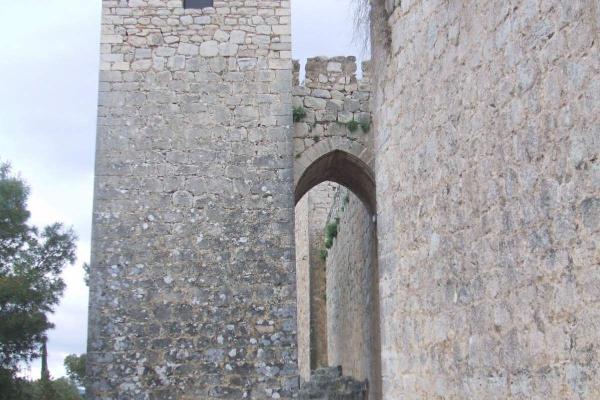
What survives is an imposing fortification. Thick stone walls, ramparts, sections of towers and the foundations of rooms stand along the ridge, and the oldest parts, from the Muslim period, are the Alcazaba, while the newer parts are the work of the Christian kings. The New Castle, in better condition, has been partially restored and now houses a Parador, a state-run hotel, in which one wing was rebuilt in a medieval style, so visitors can stay or eat in a historic setting. A large cross stands on the summit, in the position of the one that marked the conquest.
Visitors can walk around the grounds and the ramparts, which offer wide views, and can visit certain parts of the building, although some sections are closed for conservation, so arrangements should be checked locally. The paths are rocky and the access involves a climb, though it can also be reached by car, up a winding road, and parking is available. Visits are usually made in the late afternoon, when the light on the hills is at its best.
The castle can be reached from the centre of Jaén by taxi or on foot, and the Cathedral of the Assumption, the Arab Baths and the old town, with its narrow streets, are within easy reach. Take water, since the hill is exposed and summers are very hot.
Categories
More photos coming soon
Hours & Fees
- Open
- Closed to the public
- Admission
- Free
Hours and prices change, especially out of season. Check with the venue before you go.
Nearby Attractions
Other places to visit in Jaen
Questions people ask
Quick Facts
Best Time to Visit
April to June and September to October offer mild weather, avoiding the intense summer heat.