


The Soul of Clay: Andalusian Ceramics
Andalusian ceramics define Spanish craft. Seville and Valencia lead this tradition. The Moors introduced tin-glazed pottery centuries ago. This technique creates the iconic azulejo. These glazed tiles feature intricate geometric patterns. They serve as both art and architecture. The blue and white color scheme remains classic. Artisans still use traditional hand-painting methods. Each piece reflects deep cultural heritage. The craft blends Islamic precision with local style. Visiting workshops reveals the detailed process. You can observe potters shaping clay by hand. The process requires skill and patience. These ceramics are essential to Spanish identity. They decorate homes and public spaces. The tradition continues to thrive today. Local artisans preserve these ancient techniques. The result is a unique cultural symbol. This craft represents the soul of the region. It connects past traditions with modern life. The quality remains high and consistent. Each tile tells a historical story. The craftsmanship is a key part of Spanish culture. This art form is truly iconic.
The Alhambra’s Lace: Iron and Wood
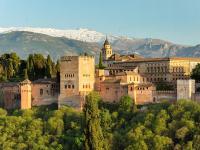
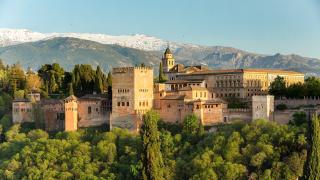
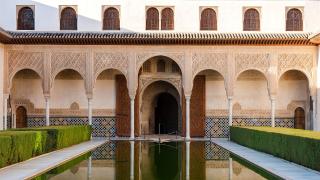
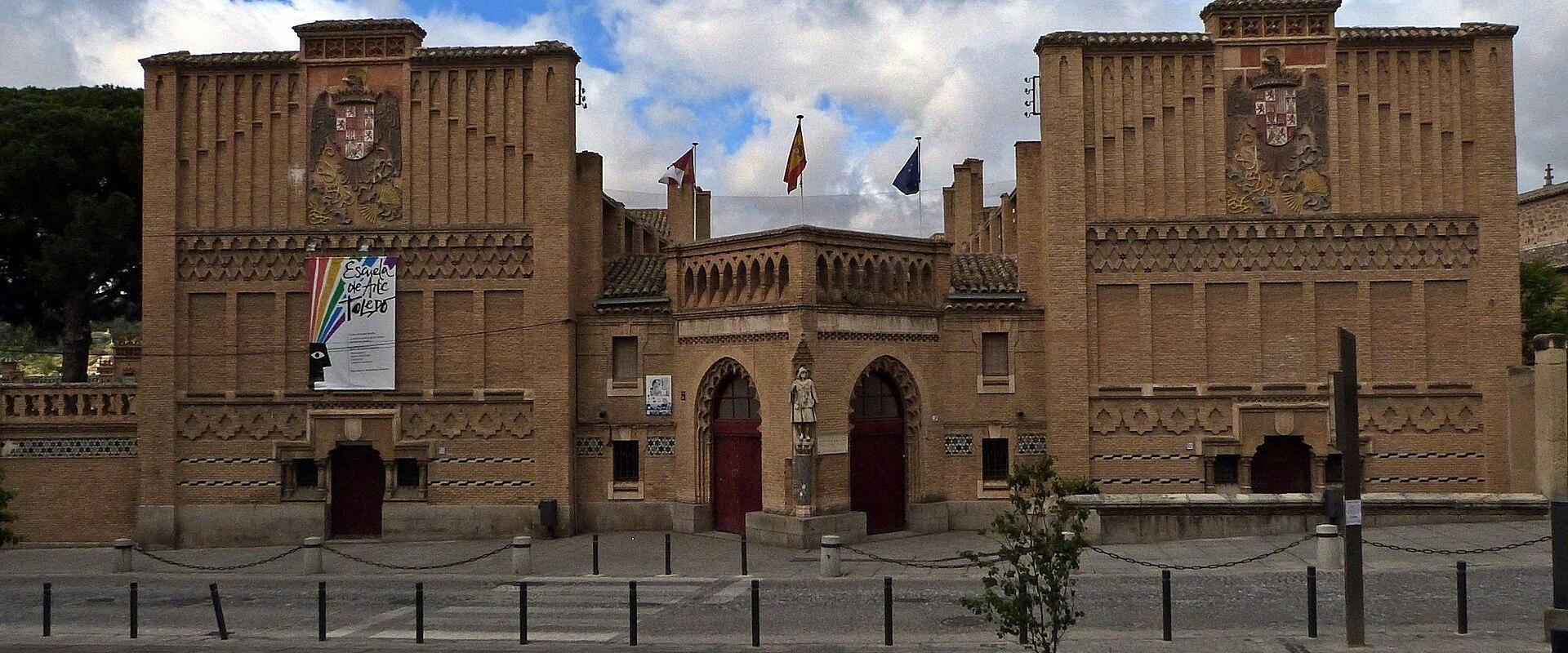
Mudejar architecture defines Spanish craftsmanship. This style blends Islamic art with Christian structures. It emerged in medieval Iberia. The Alhambra in Granada exemplifies this. Its walls feature intricate stucco work. Wood ceilings display complex geometric patterns. These are called mocarabes. They resemble stalactites. The interplay of light and shadow creates depth. Iron grilles, or celosías, filter sunlight. They cast intricate shadows on floors. This technique provides privacy and ventilation. The visual impact is striking. White stucco contrasts with dark wood. The effect is both decorative and functional. This style reflects centuries of cultural exchange. It unites Islamic and Christian traditions. The result is a unique aesthetic. It defines the character of Spanish buildings. The craftsmanship remains a key cultural heritage. It is visible in palaces and mosques. The detail requires precise artisan skill. Each element serves an aesthetic purpose. The visual harmony is the primary goal. This style remains a defining feature of Spanish architecture. It continues to influence modern design. The legacy of this craft endures. It is a testament to historical cooperation. The visual impact remains significant today.
The Tapestry of Tradition: Textile Arts
Castile’s textile tradition centers on the tapicería. This craft defines regional identity in central Spain. Artisans weave intricate patterns into wool and silk. The technique requires precise handwork and patience. Castile is known for its high-quality rugs. These tapestries often feature geometric or floral motifs. The craft preserves historical Moorish and Christian influences. Weavers use traditional looms passed down through generations. Each piece reflects local cultural heritage and skill. The process involves dyeing, spinning, and weaving. Artisans select natural fibers for durability. The resulting tapestries are both decorative and functional. They serve as important cultural artifacts in Spanish homes. The tradition remains a vital part of local heritage. It connects modern Spain to its historical past. The craft is maintained by dedicated local artisans. Their work preserves the unique character of the region. The tapestries are valued for their craftsmanship and history. They represent the enduring spirit of Castilian tradition. This art form is an essential part of Spanish culture. It is celebrated in museums and local markets. The tradition continues to thrive in modern Spain. It is a key element of Spanish heritage.
The Art of the Market: Local Craft Hubs
Spanish markets, or zocos, offer direct access to local artisans. These hubs showcase regional diversity in craft. You will find ceramics, leather, and textiles. Seville hosts vibrant open-air markets. Valencia offers distinct ceramic traditions. Engaging with artisans is essential. Ask about the making process. This interaction supports local craft traditions. The experience is authentic and direct. Prices vary by material and skill. Cash is often preferred for small purchases. Haggling is common in open markets. It is less common in boutiques. The atmosphere is lively and social. You can inspect quality closely. This direct contact ensures authenticity. It connects you to the maker. The craft reflects Spanish cultural heritage. Each piece tells a unique story. The craftsmanship is a key draw. It defines the local market experience. You support traditional techniques directly. This sustains local artisan communities. The experience is integral to travel. It provides a deeper cultural connection. You gain a tangible memory. The craft remains a lasting gift. It represents the local heritage. This connection is unique to Spain. The market experience is essential.
Spanish craft traditions vary significantly by region. Andalusia is known for intricate tile work, while Catalonia is famous for its ceramics. It is essential to respect these local traditions. Always ask permission before photographing artisans at work. This gesture shows respect for their craft. Support local artisans by purchasing directly from workshops. This ensures fair compensation for their labor. Avoid buying mass-produced souvenirs in tourist areas. These items often lack authentic craftsmanship. Instead, seek out local markets and workshops. These locations offer unique, handcrafted items. Always check the quality of materials. Look for signs of handcrafting, such as slight imperfections. These details indicate authentic, handmade quality. Be mindful of cultural sensitivities. Some traditional symbols hold deep religious or historical significance. Respect these cultural nuances when purchasing. Always ask about the origin of the item. This ensures you are supporting local artisans. It also helps preserve traditional craft techniques. By choosing authentic pieces, you support local communities. This helps preserve traditional craft techniques for future generations. Always be respectful of local customs. This includes asking permission before taking photographs. It also means respecting the artisan's time and space. Always be polite and patient. Always be respectful of local customs.