
History and Cultural Heritage
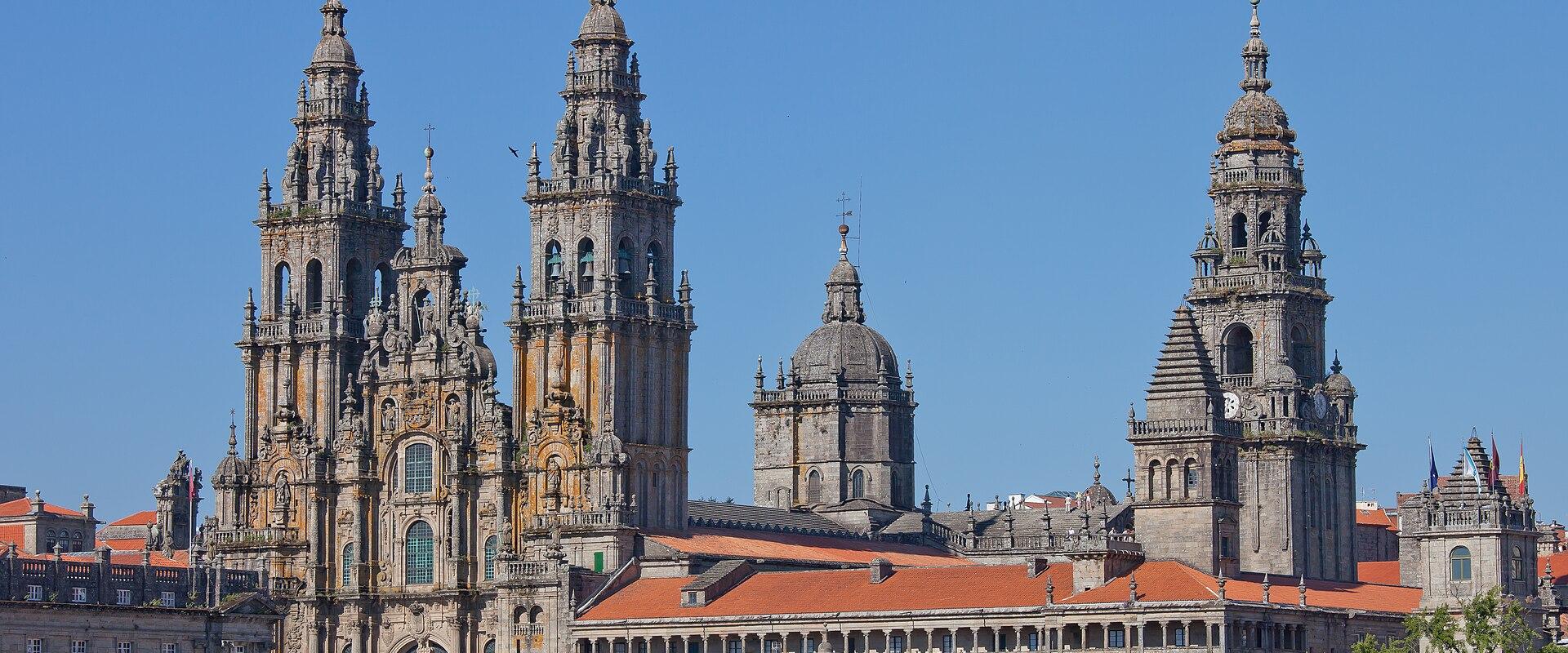
Santiago de Compostela serves as the spiritual heart of Galicia and one of the most significant pilgrimage sites in Christendom. The city’s origins trace back to the 9th century, when the tomb of the Apostle St. James was discovered in a field, leading to the construction of a shrine that eventually became the Cathedral. This discovery transformed the settlement into a major destination for pilgrims, establishing a tradition that has persisted for over a millennium. The name "Santiago de Compostela" is often linked to the Latin Campus Stellae, or "Field of Stars," referencing the legend of a shepherd guided by a star to the site. The city’s architecture reflects this deep historical layering, with the Cathedral standing as a masterpiece of Romanesque and Baroque styles. The historic center, a UNESCO World Heritage site, preserves the medieval layout that guided generations of travelers, creating an atmosphere where history is palpable in every stone and archway.
Main Attractions
The focal point of the city is the Cathedral of Santiago de Compostela, a monumental structure that dominates the skyline. Its facade, featuring the famous Portico of Glory, is adorned with intricate Romanesque sculptures depicting biblical scenes. Inside, the cathedral houses the tomb of St. James, where the botafumeiro, a massive thurible, is swung during special ceremonies. The Praza do Obradoiro, the grand square in front of the cathedral, serves as the gathering place for pilgrims and locals alike, offering a vibrant backdrop to the city’s life. Beyond the cathedral, the historic old town, or Casco Vello, is a labyrinth of narrow, cobblestone streets lined with medieval buildings, charming plazas, and traditional Galician architecture. The Mercado de Abastos, a bustling market hall, showcases the region’s culinary heritage, offering fresh seafood, local cheeses, and traditional Galician products.
Activities
Visitors to Santiago can engage in a variety of activities that highlight the city’s cultural and natural beauty. Walking through the historic center is an essential experience, allowing visitors to appreciate the architectural details and the lively atmosphere of the plazas. For those interested in local cuisine, exploring the city’s tapas bars and restaurants offers a taste of Galician specialties such as pulpo a la gallega (octopus) and empanadas. The city also serves as a starting point for various hiking trails, including the Camino de Santiago routes that converge here. Additionally, visitors can explore the nearby Monte do Gozo, a hill that offers the first panoramic view of the cathedral spires for pilgrims completing their journey. The city’s university culture adds a youthful energy, with numerous cafes and cultural events throughout the year.
Getting There
Santiago de Compostela is well-connected by air, rail, and road. The city has its own airport, Santiago de Compostela Airport, which offers domestic and international flights. The main railway station, Santiago de Compostela Station, is a hub for high-speed trains connecting the city to Madrid, A Coruña, and other major Spanish cities. For those arriving by car, the city is accessible via well-maintained highways, with ample parking available in designated areas. Public transport within the city is efficient, with a network of buses and taxis providing easy access to major attractions.
Best Time to Visit
The best time to visit Santiago de Compostela is during the spring (April to June) and autumn (September to October) months. During these periods, the weather is mild and pleasant, with comfortable temperatures for walking and exploring. The summer months can be warm and crowded, particularly during the peak pilgrimage season in July and August. The winter months are cooler and wetter, but the city retains its charm with fewer tourists. The ideal time to visit depends on personal preference, but the shoulder seasons offer the best balance of weather and accessibility.
Best time to visit
May through September offers warm, dry weather ideal for exploring the city.
What to see in Santiago De Compostela
Our picks first.
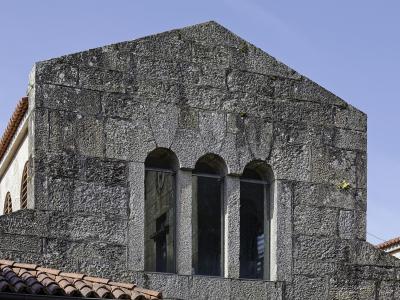
Mercado de Abastos de Santiago
Historic food market in central Santiago
Free City Centers · Cultural Events
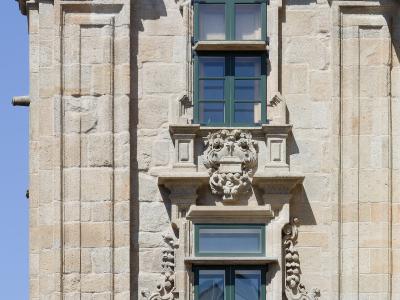
Cathedral (Santiago De Compostela)
Burial site of Saint James in Spain
Historic Heritage · Religious Sites
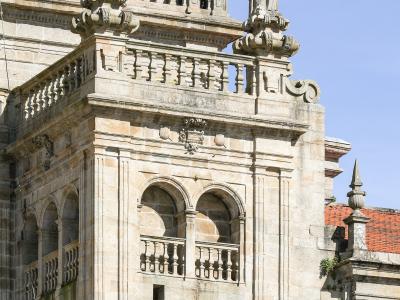
Praza do Obradoiro
Main square of historic Santiago de Compostela
Free Historic Heritage · Urban Exploration
Santiago De Compostela by interest
The same sights, grouped by what you came for.
Did you know?
Checked facts about Santiago De Compostela, each with its source.
-
Film & TV
The Way: Martin Sheen’s Cinematic Journey
The 2011 film 'The Way,' starring Martin Sheen, was filmed entirely along the actual route of the Camino de Santiago, capturing the real-world path of the pilgrimage.
Source: www.utracks.com
Planning a visit to Santiago De Compostela
Itineraries that include Santiago De Compostela
Good to know
- Currency
- EUR
- Language
- Spanish