

Geographic Diversity and Regional Highlights
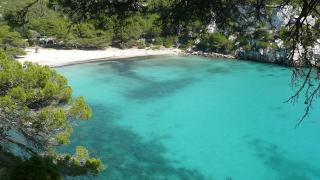
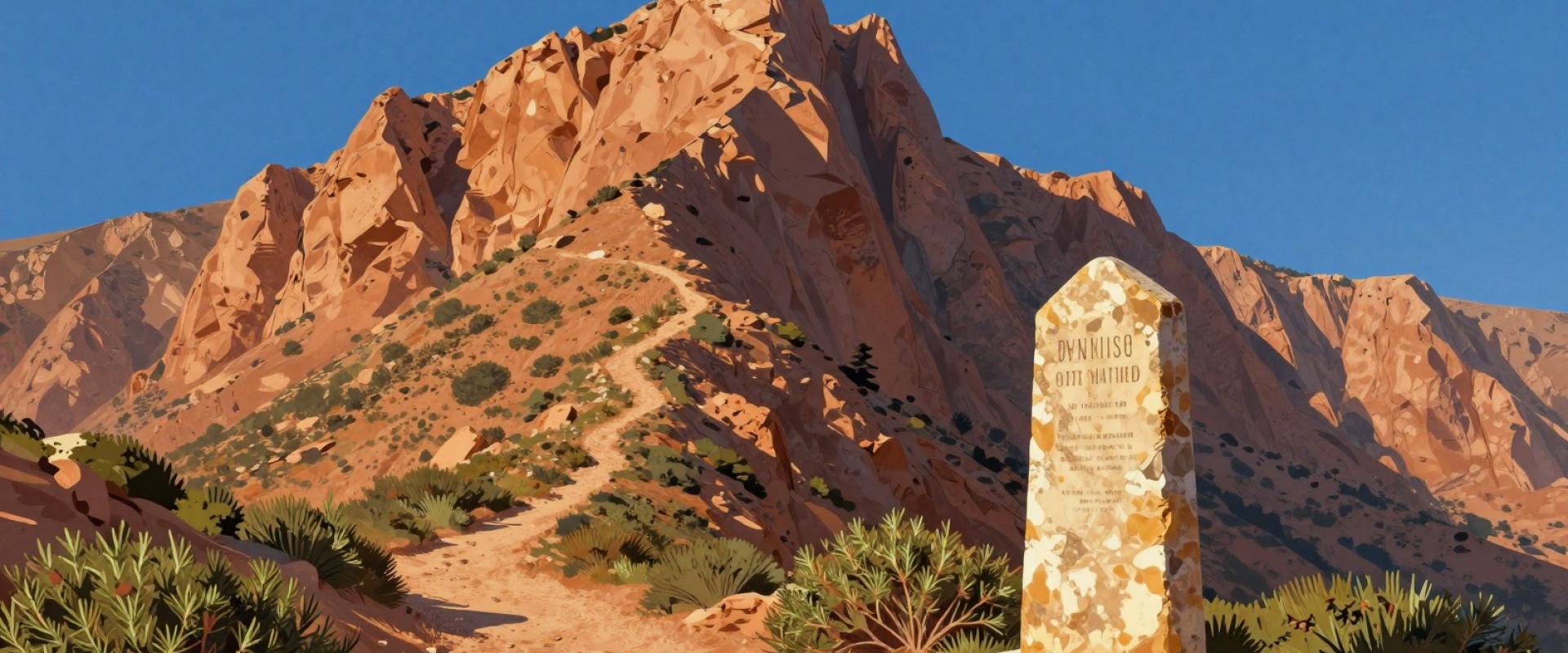
Spain offers diverse terrain for outdoor enthusiasts. Alpine peaks rise in the north, while coastal cliffs line the south. This topographical variety supports distinct regional activities. In the north, rugged landscapes suit hiking and climbing. The Pyrenees provide alpine conditions for winter sports. Southern regions feature arid, rocky terrain ideal for trekking. The Sierra Nevada offers high-altitude challenges in the south. Coastal areas in the east provide access to sea caves. The Caves of Sant Josepp allow for specialized kayaking. This activity requires specific local knowledge and equipment. Regional variations in climate affect trail conditions significantly. Northern regions receive more rainfall, creating lush, green environments. Southern regions are drier, with rugged, arid landscapes. Hikers must check local weather conditions before starting. Sudden changes in weather are common in mountainous areas. Proper preparation is essential for safety in all regions. Local guides often provide necessary information for safe navigation. The diversity of landscapes ensures varied outdoor experiences across the country. Adventurers can choose activities based on their specific interests and skill levels. The terrain supports a wide range of outdoor activities throughout the year.
Popular Activities and Regions
Picos de Europa offers rugged hiking and technical climbing. The terrain is steep and rocky. Sierra Nevada provides winter sports in winter. Summer hiking is popular in the same region. Canary Islands offer year-round outdoor activities. The climate remains mild year-round. Kayaking in the Caves of Sant Josep is a key activity. This location is in Castellón. Zip-lining is available in Toledo. These activities require specific local conditions. Always check local regulations before starting. Local conditions change with the weather. Safety is the primary concern. Local guides can provide necessary information. Regulations vary by specific region. Always verify current rules locally. This ensures safety and compliance. Spain offers diverse outdoor experiences. Each region has unique features. Planning is essential for success. Check local conditions regularly. This ensures a safe experience.
Essential Gear and Preparation
Spain’s terrain demands specific preparation. The sun is intense, especially in the south. Wear a wide-brimmed hat and high-SPF sunscreen. Sunglasses are essential for glare protection. Sturdy hiking boots are mandatory for rocky trails. The terrain in regions like Picos de Europa is steep. Wear layered clothing to manage temperature changes. Mornings can be cold, even in summer. Afternoon heat often rises sharply. Carry at least two liters of water per person. Hydration is critical in the dry climate. A basic first-aid kit is essential. Include blister plasters and antiseptic wipes. A map and compass are vital. Mobile signal is unreliable in remote areas. Inform local authorities of your itinerary. Check local regulations for protected natural areas. Some trails require prior registration. Always check weather forecasts before starting. Sudden storms can occur in mountainous regions. Carry a headlamp for early starts or delays. A whistle is essential for signaling help. Pack high-energy snacks for sustained energy. Sunscreen must be reapplied every two hours. Hydration is critical in the hot, dry climate. Always carry extra water beyond the minimum requirement. Check local regulations for specific trail restrictions. Some areas require permits for entry. Always inform someone of your planned route. This is a critical safety measure. Never rely solely on mobile phone signal. Download offline maps before entering remote areas. Carry a portable power bank for your devices. This ensures you can call for help if needed. Always check local regulations for specific trail restrictions. Some areas require permits for entry. Always inform someone of your planned route. This is a critical safety measure. Never rely solely on mobile phone signal. Download offline maps before entering remote areas. Carry a portable power bank for your devices. This ensures you can call for help if needed.
Local Regulations and Safety
Spain enforces strict regulations in natural parks. Permits are often mandatory for specific trails. Check local regulations before hiking. Natural parks have specific entry rules. Always verify current access requirements. Potential risks include steep terrain and heat. Summer temperatures can be extreme. Hydration is critical in hot conditions. Wear appropriate footwear for rocky paths. Inform others of your planned itinerary. Share your route details with locals. Emergency contact number is 112. This number works across all regions. It connects to police, fire, and medical services. Response times vary by remote location. In remote areas, response may be slow. Always carry a charged mobile phone. Signal coverage can be unreliable in mountains. Carry a physical map as backup. Batteries can drain quickly in cold. Inform local authorities of your plans. This aids rescue efforts if needed. Safety requires preparation and awareness. Always check weather forecasts before starting. Sudden weather changes are common in mountains. Be prepared for sudden temperature drops. Always carry extra water and food. Inform local authorities of your plans.
Responsible Travel and Conservation
Spain enforces strict regulations in natural parks. Permits are often mandatory for specific trails. Check local regulations before hiking. Natural parks have specific entry rules. Always verify current local rules. Respect local wildlife and ecosystems. Minimize environmental impact. Leave No Trace principles apply. Support local conservation efforts. Spanish parks protect unique biodiversity. Picos de Europa requires careful navigation. Sierra Nevada has strict winter rules. Canary Islands have unique volcanic ecosystems. Always follow local guidelines. Do not disturb wildlife. Stay on marked trails. Pack out all waste. Support local conservation groups. Buy local permits. Respect local customs. Protect fragile habitats. Spanish nature is fragile. Protect it for future generations. Responsible travel is essential. It preserves Spain's natural beauty. It supports local ecosystems. It ensures sustainable tourism. Always check local rules. Always respect local customs. Always minimize your impact. Always support local conservation. Always leave no trace. Always protect the environment. Always respect local wildlife. Always follow local guidelines. Always support local conservation. Always respect local customs. Always minimize your impact. Always protect the environment. Always respect local wildlife. Always follow local guidelines. Always support local conservation. Always respect local customs. Always minimize your impact. Always protect the environment. Always respect local wildlife. Always follow local guidelines. Always support local conservation. Always respect local customs. Always minimize your impact. Always protect the environment.