







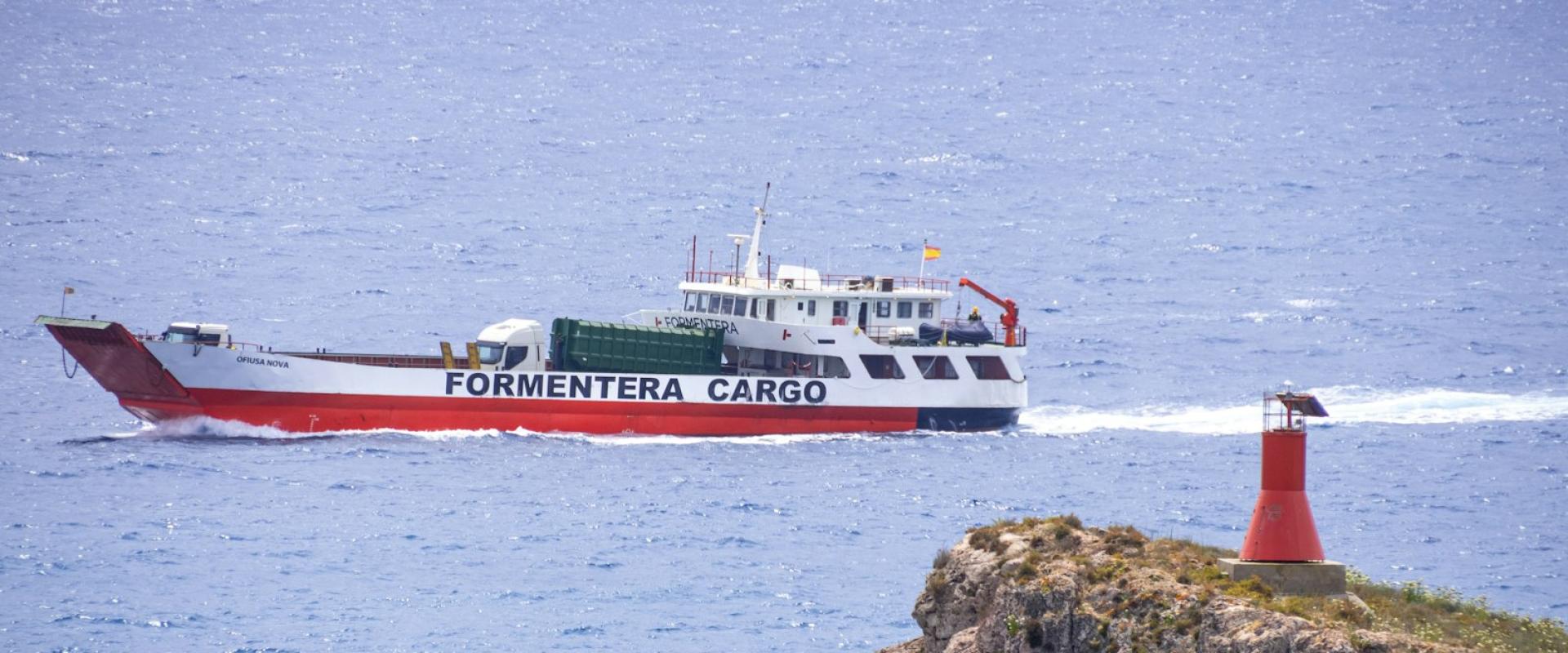
Balearic Archipelago Routes
Balearia and Trasmediterranea dominate mainland-to-island ferry services. These operators connect major Spanish ports to Mallorca, Menorca, Ibiza, and Formentera. Key departure hubs include Barcelona, Valencia, and Denia. Travelers choose between high-speed catamarans and conventional ferries. High-speed options reduce travel time significantly. Conventional ferries offer more space and vehicle transport. Schedules vary by season. Summer months see increased frequency and capacity. Winter schedules may be limited or suspended. Booking in advance is essential during peak season. Prices fluctuate based on demand and season. The Balearic Islands rely heavily on these connections. Ferries are the primary link for residents and tourists. The route is vital for local commerce. Passengers can transport cars, motorcycles, and bicycles. Onboard amenities often include cafes and rest areas. The journey provides scenic views of the Mediterranean. Travelers should check specific operator websites for updates. Schedules change frequently during holiday periods. It is crucial to verify boarding times. Delays can occur due to weather conditions. Planning ahead ensures a smooth travel experience. The Balearic route is a popular tourist corridor. Many visitors use ferries to explore the islands. The service is reliable and well-maintained. Operators prioritize safety and comfort for all passengers. The infrastructure supports high volumes of traffic. The route is a key part of Spanish transport. It connects the mainland to the islands effectively. The service is essential for local economies. It supports tourism and trade in the region. The ferries are a vital transport link. They connect communities across the Balearic Sea. The route is a major tourist attraction. Many visitors choose ferries for the scenic views. The service is reliable and efficient. It is a popular choice for travelers. The ferries offer a comfortable journey. Passengers can enjoy the Mediterranean views. The service is well-regarded by travelers. It is a key part of the travel experience. The ferries are modern and well-maintained. They offer a range of amenities. The service is suitable for all travelers. It is a convenient way to travel. The ferries are a popular choice. They offer a comfortable and scenic journey. The service is reliable and efficient. It is a key part of the travel experience. The ferries are modern and well-maintained. They offer a range of amenities. The service is suitable for all travelers. It is a convenient way to travel. The ferries are a popular choice. They offer a comfortable and scenic journey.
Canary Islands Connections
Fred. Olsen Express operates the primary ferry network in the Canary Islands. This Spanish carrier connects the archipelago’s main islands efficiently. Travelers frequently use the Gran Canaria to Tenerife route. This crossing takes approximately two hours by high-speed catamaran. The Lanzarote to Fuerteventura link is also vital. This short hop takes only 25 minutes. These routes are essential for efficient island hopping. Ferry schedules vary by season and demand. You must check timetables before booking. Sea conditions in the Canary Islands can be rough. Transit times may increase during adverse weather. Passengers should prepare for potential motion sickness. Vehicle transport is a critical logistical factor. Car ferries require significantly more space than foot passengers. Space on vehicles sells out quickly. Pre-booking vehicle space is mandatory for most trips. Walk-up availability for cars is extremely limited. You should reserve vehicle spots weeks in advance. This ensures your transport arrives with you. Foot passengers have more flexibility but still benefit from early booking. Prices fluctuate based on vehicle size and route. Always compare costs across different travel dates. The Canary Islands lack bridges or tunnels. Ferries remain the only land-vehicle connection method. Plan your itinerary around ferry availability. This prevents stranded vehicles on remote islands.
Booking and Ticketing
You must present valid photo ID or a passport for all passengers. This rule applies strictly to Balearic and Canary ferry routes. Online booking offers significant advantages over counter purchases. It secures your spot during peak summer months. You should reserve vehicle space well in advance. Vehicle fees depend heavily on specific dimensions. Measure your car’s height and length before booking. Balearia and Fred. Olsen Express charge extra for oversized loads. Standard economy seats are available for foot passengers. These options are suitable for short, daytime crossings. For longer journeys, consider booking a cabin. Cabins provide rest during overnight trips to the Canaries. Prices vary by operator and season. Always check the latest baggage allowances online. Spanish ferries enforce strict check-in times. Arrive at least forty-five minutes before departure. This ensures smooth boarding for all travelers.
Boarding and Port Logistics
Arrive at Spanish ports 45 to 60 minutes before departure. This buffer accounts for strict security checks and document verification. Balearic and Canary operators enforce these timelines rigorously. Foot passengers proceed directly to terminal gates. Present your ticket and valid photo ID immediately. Vehicle drivers must follow distinct procedures. Check in at designated vehicle lanes earlier. Security personnel inspect cars for prohibited items. This process adds necessary time to your schedule. Once cleared, move to assigned waiting areas. Foot passengers wait in general lounges. Drivers remain with their vehicles in parking zones. Boarding announcements occur via loudspeakers and digital screens. Listen carefully for your specific gate or zone. Foot passengers board first via gangways. Vehicle drivers follow in organized queues. Onboard movement is restricted during initial boarding. Follow crew instructions for safety compliance. Locate your cabin or seating area quickly. Secure luggage in designated racks or cabins. Spanish ferries prioritize efficient flow for all travelers. Adhere to posted signage for clear navigation. Do not linger near boarding ramps. Keep pathways clear for emergency access. This structure ensures smooth operations for island hopping.
Seasonal Considerations and Tips
High season runs July through August. Balearic ferry prices peak during these months. Book weeks in advance to secure space. Low season offers cheaper fares and fewer crowds. Weather impacts Canary Island routes significantly. Strong winds cause frequent delays or cancellations. Check Fred. Olsen Express updates before traveling. Pack layers for unpredictable Atlantic conditions. Bring motion sickness medication for rough seas. Cash is essential at smaller island ports. Many vendors do not accept cards. Carry euros for small purchases and tips. Major ports accept credit cards for tickets. Balearic ferries often lack onboard dining options. Bring snacks and water for long crossings. Canary routes are shorter but windier. Secure loose items during boarding. Spanish regulations require life jackets for children. Follow crew instructions strictly during emergencies. Avoid traveling during holiday weekends. Spanish domestic tourism increases demand significantly. Verify return times before booking island tours. Last-minute ferries sell out quickly in summer. Plan flexible itineraries for weather disruptions. Keep digital copies of all tickets. Print backups in case of signal loss. Spanish ports enforce strict boarding deadlines. Late arrivals forfeit their ticket fee. No refunds for missed departures. Stay informed about local strike schedules. Transport strikes affect ferry operations occasionally. Monitor official operator websites for updates. Spanish ferry services prioritize safety over speed. Patience is required during peak times. Plan extra time for port transfers. Public buses connect major Spanish ports. Taxis are available but expensive. Walk if your accommodation is nearby. This saves money and time. Enjoy the scenic Spanish coastal views. Ferries offer unique perspectives of the islands. Take photos during calm sailing periods. Rest before disembarking to avoid dizziness. Spanish island hopping requires careful planning. Seasonal variations affect every aspect of travel. Prepare accordingly for a smooth journey.