




The AVE high-speed rail is the primary mode for inter-regional travel in Spain. It connects major hubs like Madrid, Seville, and Barcelona efficiently. Trains reach speeds of 310 km/h, reducing travel times significantly. You must book tickets in advance via the official Renfe website or app. Prices rise sharply as departure dates approach. Always verify station names carefully. Madrid’s Atocha and Chamartín are distinct terminals. Barcelona’s Sants station serves most long-distance routes. Check ticket types to ensure a smooth journey. Standard class offers basic comfort. First class provides extra space and amenities. The network covers most popular tourist destinations. Regional tours often begin from these central hubs. Plan your itinerary around train schedules. This ensures logical geographic progression between cities. Avoid last-minute bookings to secure better rates. The system is reliable and punctual. It offers a comfortable alternative to domestic flights. Use the Renfe app for real-time updates. This helps manage any potential delays effectively.
Regional Transport Logistics
Media Distancia trains connect smaller Spanish towns efficiently. These regional services offer affordable travel for local exploration. ALSA buses provide extensive coverage across rural areas. Services are frequent and ideal for local travel. Book bus tickets in advance during peak seasons. This ensures availability on popular routes. Verify departure times carefully before traveling. Terminal locations may differ from train stations. Always check specific terminal locations for buses. This prevents confusion upon arrival. The infrastructure supports reliable regional connectivity. Travelers can explore smaller communities easily. The network integrates well with rail options. This flexibility aids comprehensive regional touring. Spanish regional transport is well-organized. It supports both tourists and locals effectively. The system is designed for accessibility. Travelers should plan routes in advance. This ensures a smooth travel experience. The infrastructure supports efficient regional movement. It is a key part of Spanish transport.
Accommodation Strategy by Region
Select central Madrid or Barcelona hotels for efficient regional tour access. Proximity to AVE stations reduces transit time significantly. In rural Andalusia, choose family-run pensiones for authentic local immersion. These establishments offer genuine cultural experiences away from tourist zones. Book rural estates in Galicia well in advance. Peak summer months see high demand for these unique stays. Prioritize locations near local amenities to minimize daily transport costs. Strategic planning ensures a smooth, efficient journey across diverse regions. Always verify transport links before finalizing any accommodation booking. This approach guarantees a seamless and enjoyable travel experience throughout Spain.
Cultural Etiquette and Local Customs
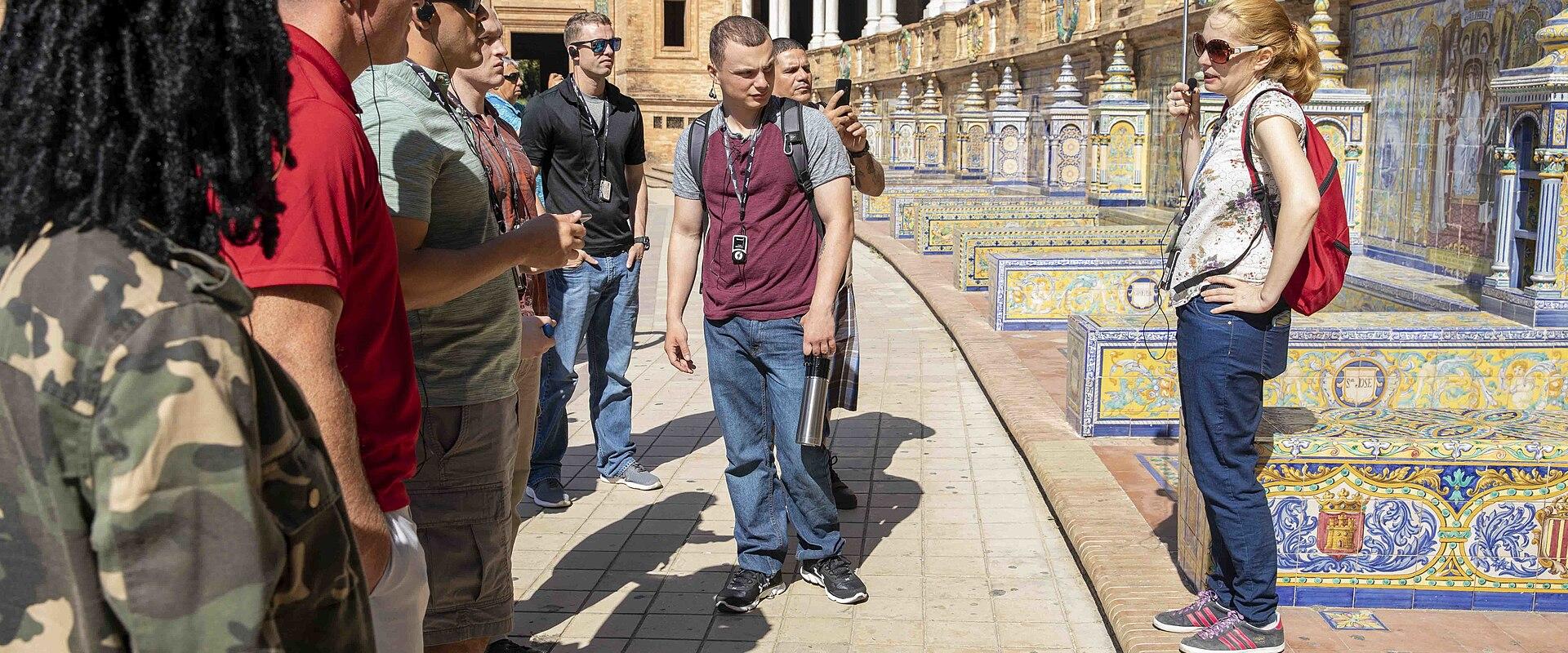
Spanish culture prioritizes politeness and social interaction during regional tours. Engage locals with a polite "Buenos días" to establish respect. Dining functions as a primary social event. Tour operators schedule extended lunch breaks for this purpose. You must take time to enjoy food and conversation. Rushing meals is considered rude and disrupts local rhythm. Dress modestly when visiting religious sites across all regions. Cover shoulders and knees to adhere to strict norms. This applies to cathedrals in Seville and Santiago de Compostela. Be respectful of local traditions, especially in rural areas. Andalusian festivals and Basque customs require specific behavioral awareness. Adhering to these customs enhances the travel experience significantly. It demonstrates respect for the host community’s heritage. Tour guides often explain these nuances before activities begin. Following local etiquette ensures smoother interactions with residents. It also provides deeper insight into regional identities. This approach transforms a standard tour into a cultural immersion. Respect is the key to a positive Spanish experience.
Practical Planning Checklist
Book high-speed rail tickets via the official Renfe app. This ensures secure booking for inter-city travel. Research regional train schedules before arrival. Peak season travel requires early reservation. Book accommodation in advance to secure central locations. Prioritize hotels near major transit hubs. Familiarize yourself with local dining etiquette. Spanish meals occur later than in other countries. Respect dress codes for religious sites. Download relevant transportation apps for real-time updates. These tools provide easy access to schedules. Create a flexible itinerary for regional tours. Allow time for spontaneous exploration in rural areas. Ensure key connections are booked in advance. This approach balances structure with flexibility. It ensures a smooth travel experience across Spain. Plan transit times carefully to avoid delays. Verify ticket validity before boarding any train. This preparation minimizes stress during your trip.