

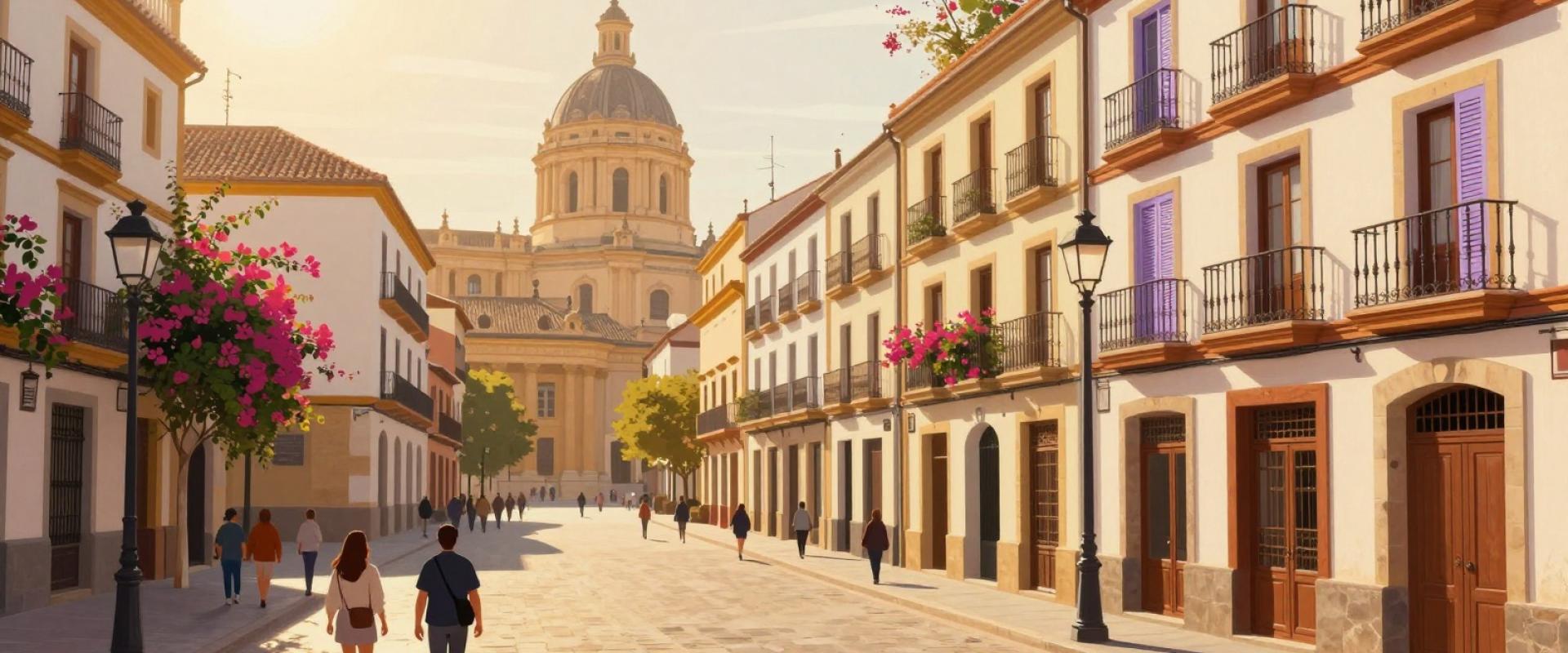
Madrid features a radial street plan centered on the Puerta del Sol. This layout directs traffic outward from the historic core. Barcelona utilizes the Eixample district’s distinct grid system. Ildefons Cerdà designed these uniform blocks with chamfered corners. Pedestrian zones, or zonas peatonales, dominate historic centers. These areas restrict vehicle access to preserve heritage sites. Madrid’s Gran Vía remains a major thoroughfare for transit. Barcelona’s Las Ramblas serves as a primary pedestrian artery. Understanding neighborhood identities aids intuitive navigation. Barrios like Malasaña in Madrid offer distinct cultural vibes. Gràcia in Barcelona maintains a village-like atmosphere within the city. Low-emission zones (ZBE) significantly impact visitor movement. Madrid’s ZBE restricts older vehicles during weekdays. Barcelona enforces strict access rules in its superblocks. Visitors must check vehicle registration for compliance. These regulations prioritize air quality and pedestrian safety. Navigation requires awareness of these specific municipal rules. Public transport remains the most efficient alternative. Metro systems connect radial and grid layouts effectively. Walking remains the primary mode in restricted zones. Time spent navigating depends on zone restrictions. Plan routes around pedestrian-only areas for efficiency.
Mastering Public Transit Systems
Madrid’s Metro operates 13 lines. It covers the entire metropolitan area efficiently. Fares start at €1.50 for a single ticket. The Metro runs from 6:00 AM to 1:30 AM. Barcelona offers two distinct systems. The TMB Metro serves the city center. The FGC trains connect suburbs and nearby towns. Both systems use integrated ticketing. Valencia’s Metrovalencia combines metro and tram lines. It serves the city and surrounding municipalities. Single tickets cost approximately €1.50. Multi-day travel passes provide significant cost savings. The Madrid Tourist Travel Card covers zones 1-10. It is valid for unlimited journeys. Barcelona’s Hola BCN card offers unlimited travel. It is available for 72 to 120 hours. These passes eliminate per-trip calculations. They simplify budgeting for tourists. Ticket validation is mandatory in all systems. You must stamp paper tickets before boarding. Failure to validate results in heavy fines. Fines can exceed €50. Always keep your ticket until you exit. Real-time apps are essential for navigation. Moovit and Citymapper provide live updates. They show delays and route changes. These tools help avoid peak congestion. Peak hours occur between 7:30 AM and 9:30 AM. Evening peaks run from 6:00 PM to 8:00 PM. Trains are crowded during these times. Plan journeys outside these windows if possible. All major stations display digital schedules. Check these displays for platform information. Transfers between systems are usually free. Ensure your pass covers all zones. Verify zone requirements before purchasing. This prevents unexpected additional charges. Public transit is the most reliable transport method. It avoids traffic congestion in historic centers. Stations are clearly marked in local languages. English signage is common in major hubs. Use this infrastructure to explore efficiently.
Securing Your Belongings
Madrid’s Sol and Gran Vía attract pickpockets. Barcelona’s La Rambla and Sagrada Família see high theft rates. Seville’s Santa Cruz district is also risky. These zones require constant vigilance. Use anti-theft backpacks with lockable zippers. Wear cross-body bags in front of you. Avoid back pockets entirely. Keep wallets in inner jacket pockets. Be wary of distraction techniques. Groups may cause collisions or spills. One person distracts while another steals. Remain alert in crowded metro stations. Carry only daily spending cash. Leave passports and extra cards in hotel safes. Use digital payments when possible. ATMs in well-lit areas are safer. Cover your PIN entry completely. Do not display expensive jewelry. Keep phones out of sight when not in use. Spain has low violent crime but high petty theft. Report losses to local police immediately. Obtain a report for insurance claims. Stay aware of your surroundings at all times. Quick movements attract unwanted attention. Blend in with local pedestrians. Avoid looking like a tourist. Secure your belongings before entering shops. Keep bags on your lap in cafes. Never leave items unattended on tables. Trust your instincts if a situation feels unsafe. Move to a populated area quickly. Prioritize safety over convenience during exploration.
Curating Your Urban Itinerary
Group attractions by neighborhood to minimize transit time. Madrid’s historic center clusters major sites closely. Barcelona’s Eixample district offers a logical grid for walking. This approach reduces reliance on public transport. Advance booking is essential for major landmarks. The Prado Museum in Madrid requires timed entry. Skip-the-line tickets prevent long queues at the Sagrada Família. These reservations often sell out weeks in advance. Strategic guided tours provide immediate geographic orientation. A morning walking tour clarifies complex street layouts. This knowledge aids independent exploration later. Account for local siesta hours in planning. Many smaller shops close between 2:00 PM and 5:00 PM. Museums may have reduced hours during this window. Plan indoor activities or museum visits during midday. Evening activity patterns differ significantly from northern Europe. Dinner typically begins after 9:00 PM. Restaurants fill quickly during peak hours. Reserve tables for popular dining spots in advance. Nightlife in areas like Malasaña starts late. Align your schedule with these local rhythms. This strategy ensures a smoother, more authentic experience. Avoid rushing between distant neighborhoods in one day. Focus on one district per afternoon. This method reduces fatigue and travel costs.
Essential Resources and Apps
Download official transit apps for seamless navigation. Metro Madrid and TMB provide real-time schedules. These tools display line status and delays. Fares vary by zone and duration. Purchase tickets directly through the official applications. This method avoids physical ticket queues. Offline maps are critical for connectivity. Many Spanish streets lack consistent signal coverage. Download city maps before entering underground stations. This ensures navigation works without data. Translation apps bridge language gaps effectively. Use them for reading menus and signs. Spanish menus often contain specific local terms. Digital translation aids in accurate ordering. Reservation platforms manage dining logistics efficiently. Spanish restaurants frequently require advance bookings. Use apps to secure tables at popular venues. This prevents long waits during peak hours. Cultural insights come from verified review sites. Check opening hours before visiting museums. Many institutions close early on Mondays. Verify these details to avoid disappointment. Digital tools streamline the urban experience. They reduce friction in daily interactions. Prioritize apps with high user ratings. Ensure your device has sufficient battery life. Carry a portable charger for long days. These resources support independent city exploration. They provide reliable data for decision-making. Focus on practical utility over aesthetics. The goal is efficient and safe travel. Utilize these tools to enhance your stay.