







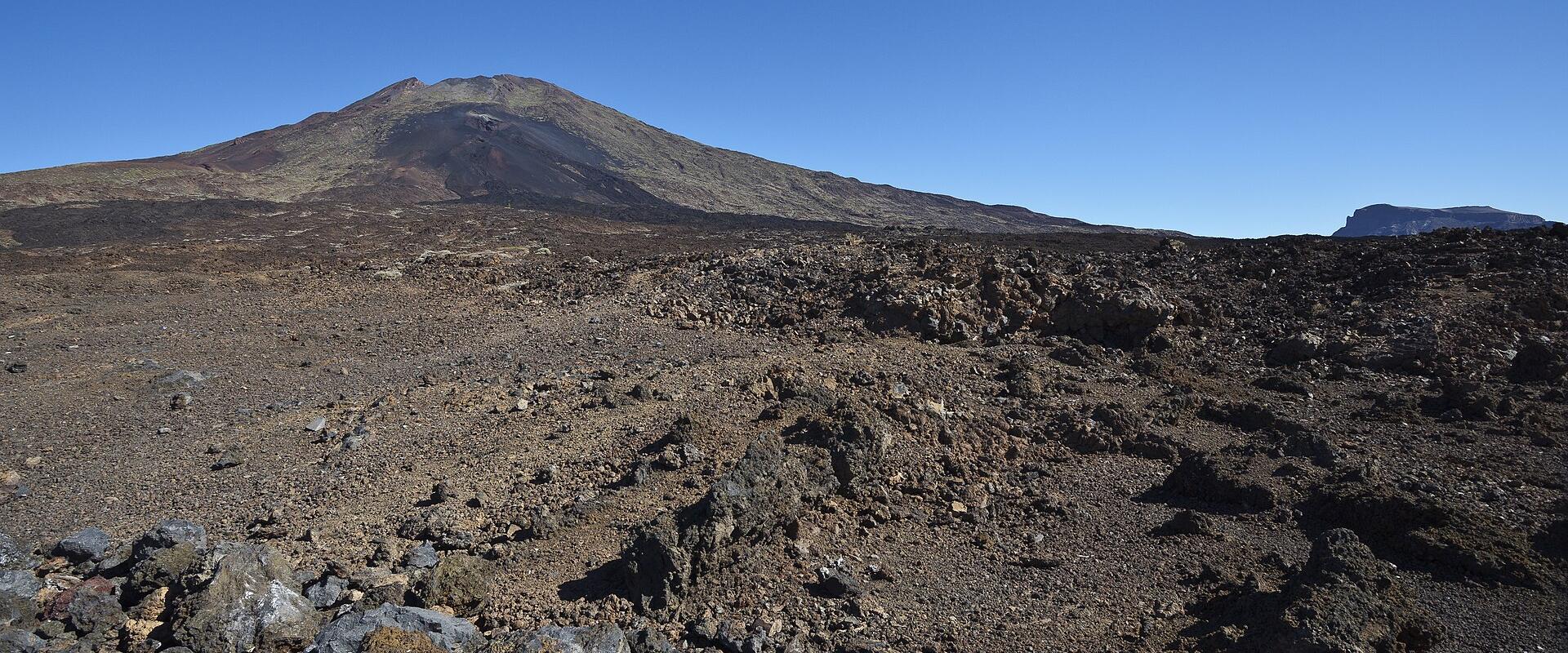
History
The history of Tenerife is a fascinating tapestry woven from the indigenous Guanche people and the subsequent Spanish colonization. The Guanches, the island’s original inhabitants, lived in a society that revered the natural landscape, leaving behind petroforms and cave dwellings that hint at their spiritual connection to the land. The Spanish conquest in the 15th century marked a significant turning point, introducing European architectural styles and religious traditions that blended with the local culture. This fusion is evident in the island’s historic towns, where colonial architecture stands alongside ancient landmarks. The resilience of the local population has preserved these cultural layers, creating a unique identity that honors both its indigenous roots and its Spanish heritage.
Main Attractions
The island’s most iconic landmark is Mount Teide, a dormant volcano and the highest peak in Spain. Rising to 3,718 meters, it dominates the landscape and offers breathtaking views, particularly at sunset. The surrounding Teide National Park is a UNESCO World Heritage Site, characterized by its otherworldly, lunar-like landscape. Another key attraction is the historic town of La Laguna, a UNESCO World Heritage Site known for its well-preserved colonial architecture. The town’s cobblestone streets and historic buildings, such as the Cathedral of La Laguna, offer a glimpse into the island’s colonial past. Additionally, the black sand beaches, such as Playa de las Teresitas, provide a striking contrast to the volcanic landscape, offering golden sands and clear waters.
Activities
Visitors to Tenerife can engage in a wide variety of activities. Hiking is a popular choice, with numerous trails leading through the Teide National Park and the lush forests of the north. The island’s diverse terrain offers opportunities for both challenging hikes and leisurely strolls. For those interested in marine life, the clear waters surrounding the island are ideal for snorkeling and diving, with opportunities to spot dolphins and whales. The island also offers a range of cultural activities, including visiting local markets and attending traditional festivals. The combination of natural beauty and cultural richness provides a diverse range of experiences for visitors.
Getting There
Tenerife is accessible via two main airports: Tenerife North Airport (TFN) and Tenerife South Airport (TFS). Tenerife North is closer to the capital, Santa Cruz, and is often used for domestic flights within Spain. Tenerife South is larger and handles most international flights, particularly from Europe. Upon arrival, visitors can reach their accommodation via taxi, rental car, or public bus. The island has a well-developed road network, making it easy to navigate. Renting a car is highly recommended for those wishing to explore the island’s diverse landscapes at their own pace.
Best Time to Visit
Tenerife enjoys a subtropical climate with an average of 300 sunny days per year, making it a year-round destination. Temperatures rarely drop below 18°C in winter or exceed 30°C in summer, ensuring pleasant weather throughout the year. The best time to visit is during the spring (March to May) and autumn (September to October) months, when the weather is mild and the crowds are smaller. Summer months can be hot, particularly in the south, but the trade winds often provide a cooling breeze. Winter is also a popular time to visit, as the island offers a warm escape from the colder climates of northern Europe.
Best time to visit
May through October offers ideal weather with warm temperatures and fewer crowds.
What to see in Tenerife
Our picks first.
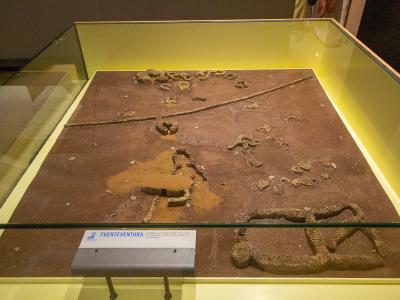
Museo de la Naturaleza y el Hombre
Archaeological Museums · Geological Sites
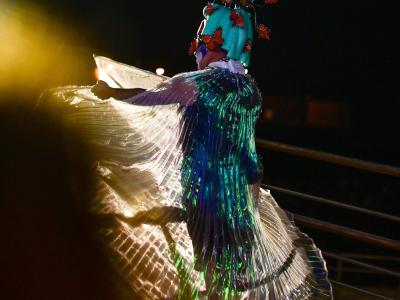
Tenerife Carnival
World's second largest carnival in Santa Cruz
City Centers · Cultural Events
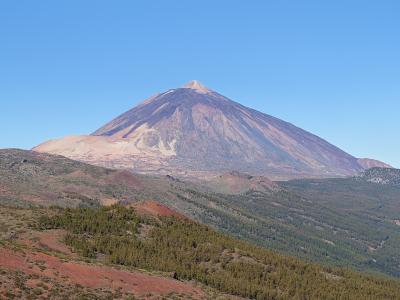
Mount Teide (via Mount Teide Cable Car)
Cable car to 3,555m peak in Canary Islands
From €10.50 Geological Sites · Hiking Trails
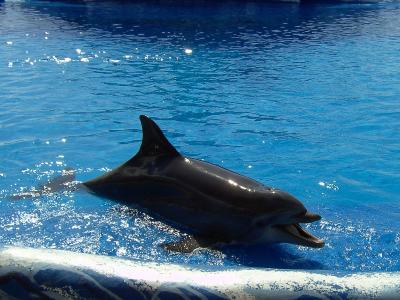
Aqualand Costa Adeje
Water park with dolphin show in Costa Adeje
From €35 Wellness & Leisure
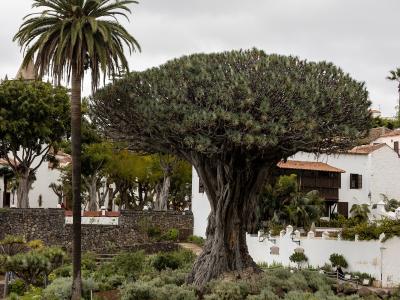
Dragon Tree (Icod De Los Vinos)
Home to the world's oldest dragon tree
Nature & Outdoors · Geological Sites
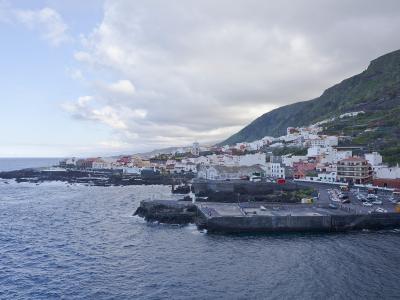
Garachico
18th-century historic town in northern Tenerife
Coastal Views · Geological Sites
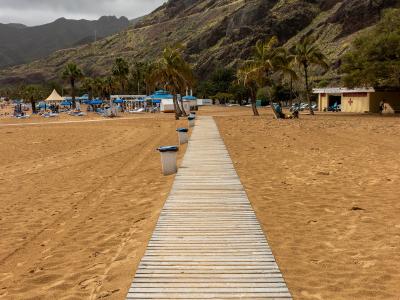
Las Teresitas Beach
Golden sand beach with calm waters in Tenerife
Free Coastal & Beaches · Beaches
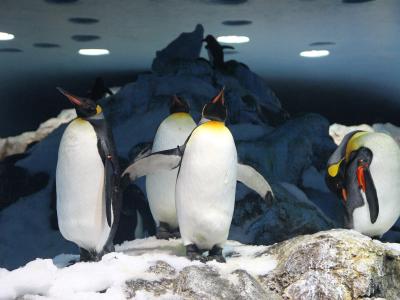
Loro Parque
Zoo in Puerto de la Cruz, Tenerife
From €11 Museums & Culture · Nature & Outdoors
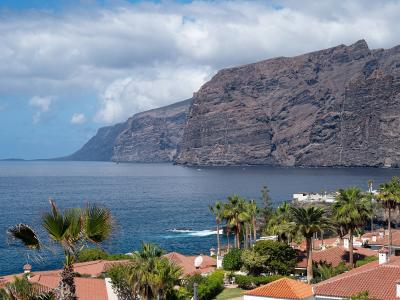
Los Gigantes Cliffs
600m high sea cliffs in Tenerife, Spain
Coastal Views · Geological Sites
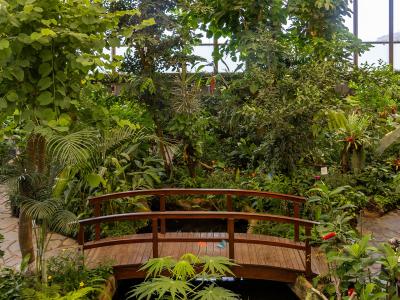
Mariposario Del Drago
Exotic butterfly park in Icod de los Vinos
Educational Sites · Gardens
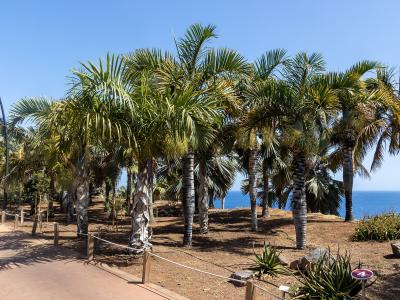
Palmetum
One of Europe's finest palm gardens, in Santa Cruz
Educational Sites · Gardens
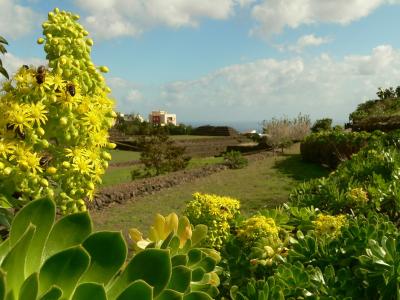
Pyramides De Guimar
Six terraced lava stone structures in Tenerife
Archaeological Museums · Architectural Heritage
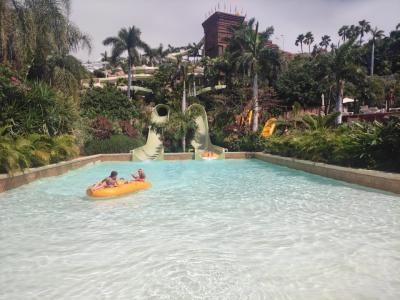
Siam Park
Europe's largest Thai-themed water park in Tenerife
From €44 Nature & Outdoors · Wellness & Leisure
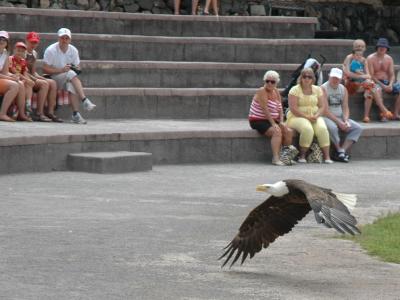
Jungle Park
7-hectare zoo with free-flying birds of prey
From €36 Nature & Outdoors
Tenerife by interest
The same sights, grouped by what you came for.
Did you know?
Checked facts about Tenerife, each with its source.
-
Film & TV
Rambo's Last Stand in Tenerife
Sylvester Stallone filmed the final installment of the Rambo series, 'Rambo: Last Blood' (2019), on location in Tenerife, utilizing the island's specific terrain for the production.
Source: www.canarianweekly.com -
Film & TV
Doctor Who Filmed in Tenerife
The production team for 'Doctor Who' utilized the island's landscape, specifically filming the first two episodes of the 9th season, titled 'The Magician's Apprentice' and 'The Witch's Familiar,' in Tenerife.
Source: antsfilms.com
Planning a visit to Tenerife
Itineraries that include Tenerife
Good to know
- Currency
- EUR
- Language
- Spanish
Quick Facts
Book your stay
Questions people ask
More places in Canary Islands
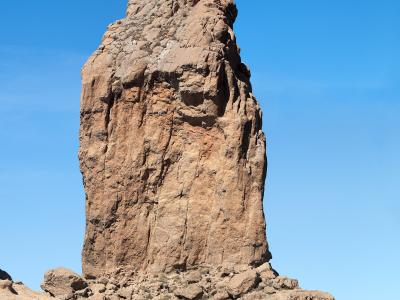
Canary Islands
Gran Canaria
Volcanic island with diverse landscapes and iconic rock formations
Canary Islands
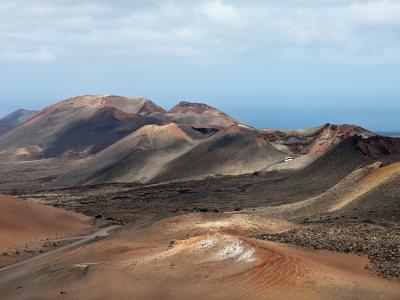
Lanzarote
Volcanic island with unique landscapes and protected natural parks
Canary Islands
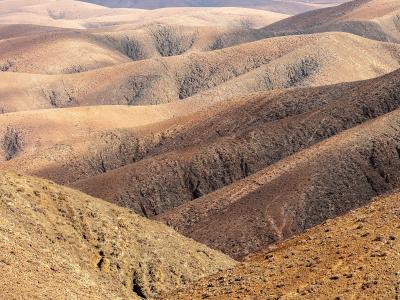
Fuerteventura
Canary Island with vast sand dunes and surfing
Canary Islands
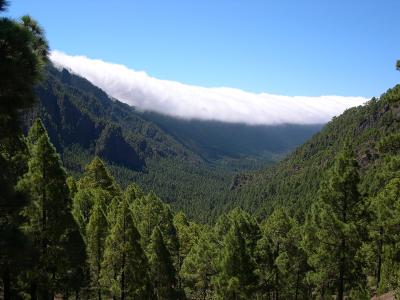
La Palma
Biosphere reserve with volcanic peaks and laurel forests