






The Rhythm of Daily Life
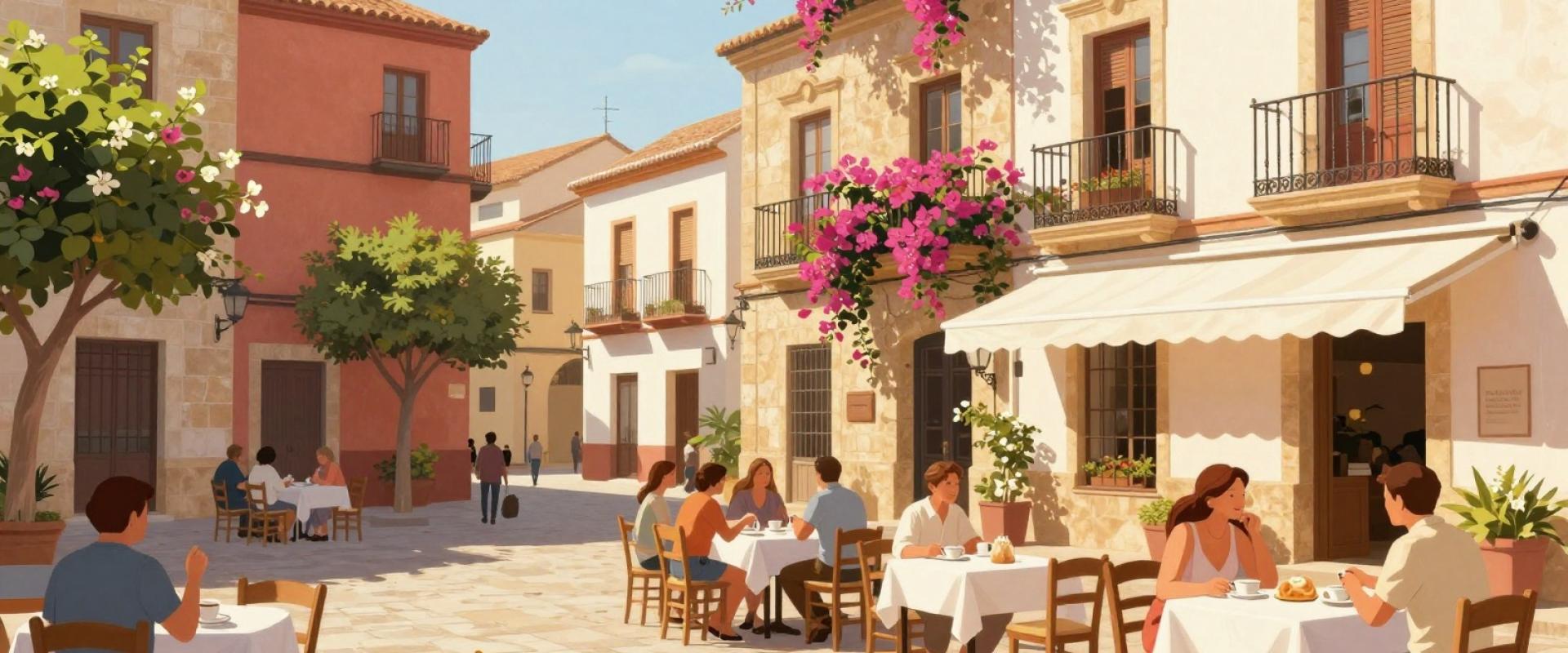
Spain operates on a unique temporal schedule distinct from Northern Europe. The traditional workday features a long midday break known as siesta. Many businesses close between 2:00 PM and 5:00 PM. This pause allows for rest during the hottest part of the day. Lunch is the main meal of the day. Most locals eat between 2:00 PM and 3:30 PM. Restaurants often remain closed during these afternoon hours. Dinner occurs significantly later than in other countries. Meals typically start after 9:00 PM. Many establishments do not open until 9:30 PM. Dining is a social event requiring ample time. Spaniards pace their meals to enjoy conversation. Rushing through dinner is considered rude and unnatural. The late schedule extends into the evening nightlife. Streets remain lively well past midnight in cities. Travelers must adjust their itineraries to match this pace. Planning meals around these local customs is essential. Ignoring the siesta schedule may limit access to services. Understanding these rhythms ensures a smoother cultural experience. Patience is required when navigating daily Spanish life.
Greetings and Personal Space
Spanish greetings prioritize warmth and physical connection. The standard greeting involves the 'dos besos' custom. This practice requires two light kisses on alternating cheeks. It applies to both men and women in social settings. Business contexts may vary, often favoring handshakes initially. Personal space norms differ significantly from Northern cultures. Spaniards stand closer during conversations. This proximity signals engagement and interest. Invading this space may cause discomfort for visitors. Maintain appropriate distance to respect local boundaries. Verbal acknowledgment remains crucial in daily interactions. Always greet shopkeepers upon entering a store. Use formal titles like 'Señor' or 'Señora' initially. These titles show respect for hierarchy and age. Switch to first names only after invitation. Eye contact is essential for trust. Avoid looking away during conversation. It may appear dishonest or disinterested. Direct gaze confirms sincerity and attention. Combine verbal greetings with physical cues. A firm handshake or cheek kiss sets the tone. Adapt quickly to local rhythms. Observing others helps navigate social expectations. Respect these norms to build rapport. Ignoring them may create unnecessary friction. Cultural sensitivity enhances the travel experience significantly.
Dining Etiquette and Tipping
Spanish dining prioritizes leisure over speed. Meals are social events, not quick refuels. Diners typically wait for the host to begin eating. Keep your hands visible on the table, resting lightly on the edge. Do not rest elbows on the surface. This signals respect and engagement. When leaving a table, locals often say '¡Buen provecho!' to others. This phrase translates to 'enjoy your meal.' It is a standard polite gesture. Requesting the bill requires specific action. Waiters rarely bring it automatically. You must signal for service by making eye contact or raising a hand slightly. Do not snap fingers or wave aggressively. Tipping norms differ significantly from North America. Service charges are often included in the bill. Look for 'servicio incluido' on the menu. If not included, rounding up the total is customary. Leaving ten percent is generous but not mandatory. Small change is appreciated for casual cafes. Tap water is commonly served and free. It is safe to drink in most establishments. However, bottled water is also widely available. Spanish meals often start with tapas or small plates. These shareable dishes encourage communal dining. Always wait for everyone to be served before starting. This practice fosters a relaxed, shared atmosphere.
Public Behavior and Dress Codes
Spanish public spaces tolerate moderate noise levels. Conversations in plazas remain audible. This reflects a social culture valuing interaction. Walking pace in cities is brisk. Locals navigate crowded streets efficiently. Personal space is closer than in Northern Europe. Do not step back during conversations. This is not rudeness, but cultural norm.
Dress codes vary by location. Religious sites enforce strict attire rules. Shoulders and knees must be covered. This applies to all cathedrals and churches. Sleeveless tops and short shorts are prohibited. Visitors must carry a shawl or scarf. This ensures respectful entry into sacred spaces.
Beachwear is acceptable only on beaches. Wearing swimwear in town centers is rude. Cover up when leaving the beach. Wear a shirt or cover-up. Do not walk in streetwear in shops. This shows respect for local customs. Spanish cities value modesty in public areas. Dressing appropriately avoids negative attention. Follow local norms to integrate smoothly. Respect for tradition remains strong in Spain. Adhering to these rules demonstrates cultural awareness. Simple gestures of respect go a long way. Maintain neat appearance in urban settings. This aligns with local expectations for public conduct.
Speaking Spanish, even minimally, shows respect for local culture. Locals appreciate basic greetings like 'hola' or 'gracias'. This effort bridges cultural gaps effectively. Personal boundaries differ significantly from Northern Europe. Spaniards stand closer during conversations. This proximity signals engagement, not aggression. Avoid discussing private matters with acquaintances. Politics and religion remain sensitive topics. Dining pace remains deliberately slow. Lunch often extends past two hours. Dinner typically begins after nine PM. Tipping is not mandatory in Spain. Service charges are often included in bills. Leaving small change is customary but optional. Rounding up the bill is sufficient. Large tips are not expected or required. Waiters earn standard wages without relying on gratuities. Over-tipping can sometimes appear unusual. Always check the bill for 'servicio incluido'. If service is included, no extra tip is needed. If not, leaving 5-10% is polite. Cash tips are preferred over card additions. This practice supports staff directly. Social interactions value warmth and directness. Building trust requires time and genuine interest. Respect local rhythms and social cues.