Canary Islands
Where African warmth meets volcanic landscapes in the heart of the Atlantic.
- 6 destinations
- 44 attractions
About Canary Islands
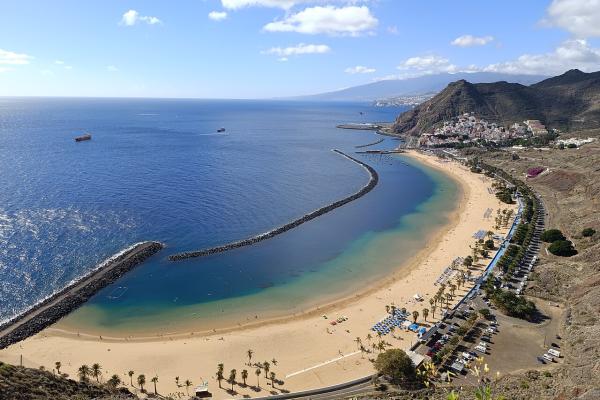
Nestled in the Atlantic Ocean, the Canary Islands offer a perpetual spring with year-round sunshine, diverse landscapes ranging from volcanic peaks to golden sands, and a unique blend of Spanish and Guanche heritage.
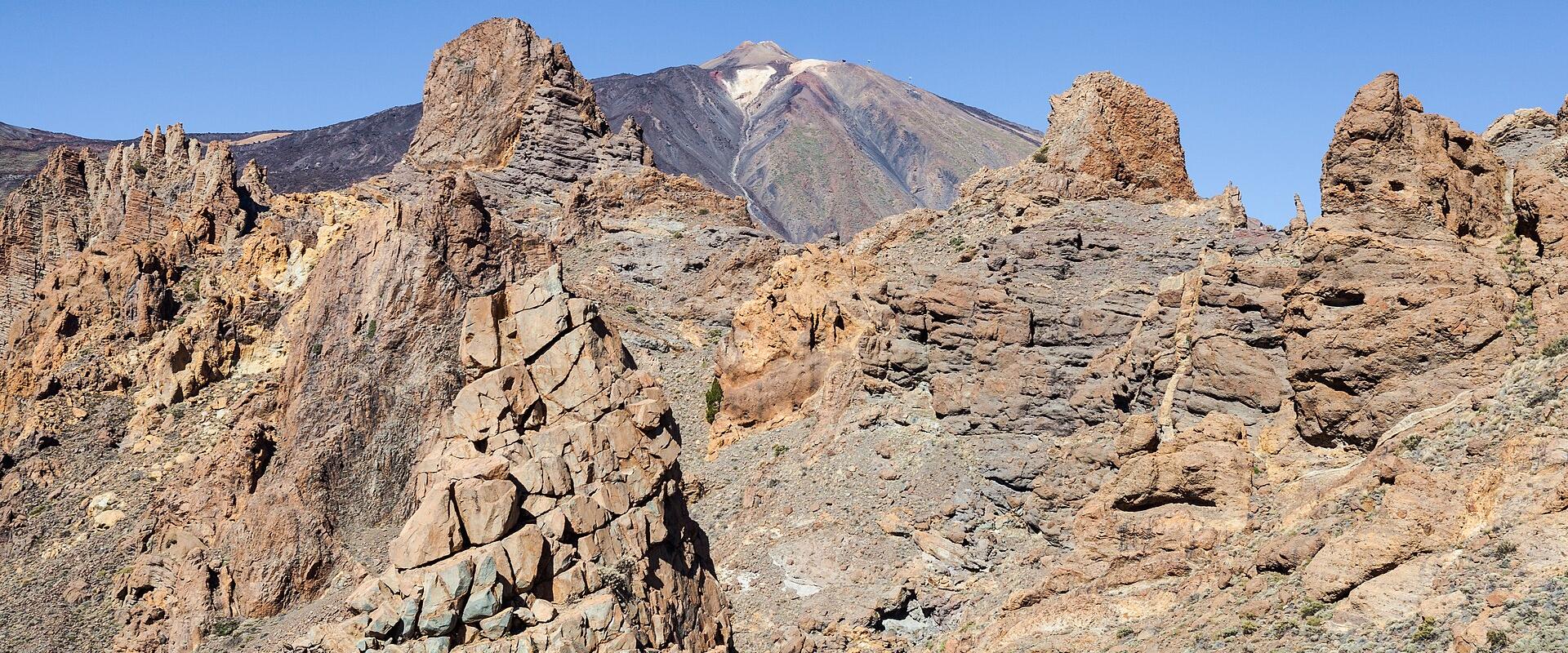
Located off the northwestern coast of Africa, the Canary Islands are an autonomous community of Spain characterized by their subtropical climate and dramatic volcanic geology. The archipelago is divided into two main groups: the western islands, including Tenerife, La Palma, and La Gomera, are known for their lush, green landscapes and steep, rugged terrain. In contrast, the eastern islands, such as Lanzarote and Fuerteventura, feature arid, desert-like landscapes shaped by volcanic activity and trade winds. Despite the similarity in climate, each island possesses a unique character and charm. Tenerife, the largest island, boasts Mount Teide, Spain's highest peak and a UNESCO World Heritage Site, offering a surreal landscape that resembles the moon. Gran Canaria is often referred to as a 'miniature continent' due to its incredible diversity of landscapes, from golden sand dunes to pine forests. The archipelago's capital is a shared honor between Las Palmas de Gran Canaria and Santa Cruz de Tenerife, both vibrant cities with rich histories, modern amenities, and lively cultural scenes. Visitors can explore ancient Guanche cave dwellings, hike through the magical Anaga Rural Park in Tenerife, or relax on the black sand beaches of Lanzarote. The best time to visit is during the spring or autumn, when the weather is mild and the crowds are thinner. The islands are well-connected by air, with international airports in Las Palmas, Tenerife North, and Tenerife South, and intra-island travel is easily managed via a network of buses, rental cars, and even a metro system in the Santa Cruz de Tenerife area.Where to go in Canary Islands
Canary Islands
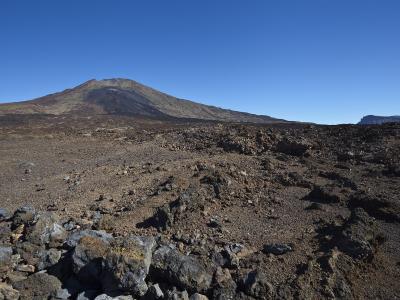
Tenerife
Volcanic island with Spain's highest peak
Canary Islands
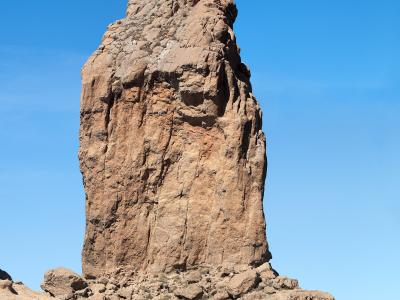
Gran Canaria
Volcanic island with diverse landscapes and iconic rock formations
Canary Islands
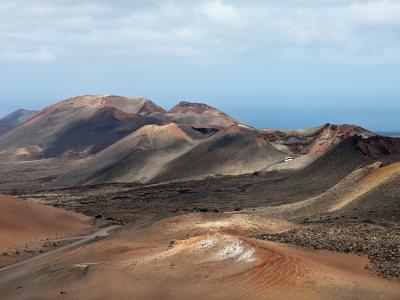
Lanzarote
Volcanic island with unique landscapes and protected natural parks
Canary Islands
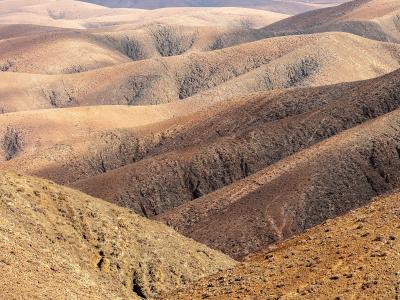
Fuerteventura
Canary Island with vast sand dunes and surfing
Canary Islands
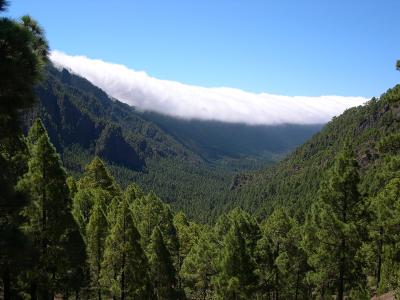
La Palma
Biosphere reserve with volcanic peaks and laurel forests
Canary Islands
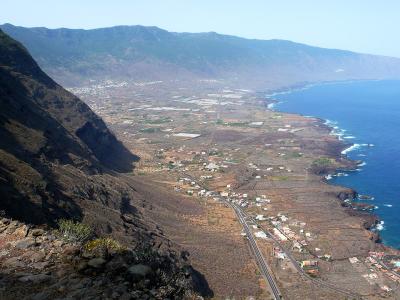
El Hierro
UNESCO Biosphere Reserve volcanic island
What to see
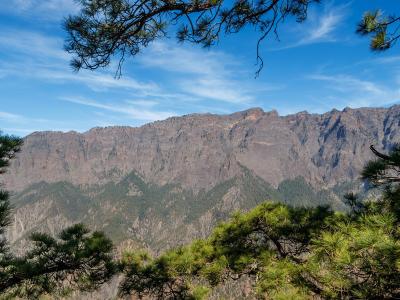
La Palma · Nature & Outdoors
Caldera de Taburiente National Park
UNESCO Biosphere Reserve with 8km wide crater
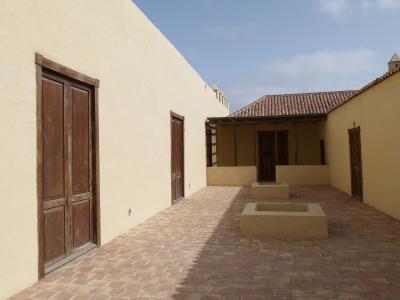
Fuerteventura · Architectural Heritage
Casa de los Coroneles
The Casa de los Coroneles, the House of the Colonels, is the grandest historic building on Fuerteventura, and it stands...
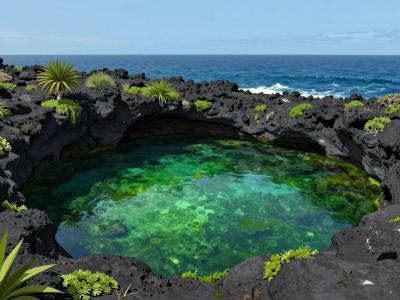
El Hierro · Coastal Views
El Golfo Lagoon and Palm Grove
El Golfo is the great crescent-shaped valley on the north-western side of El Hierro, and it is the island’s most dramati...
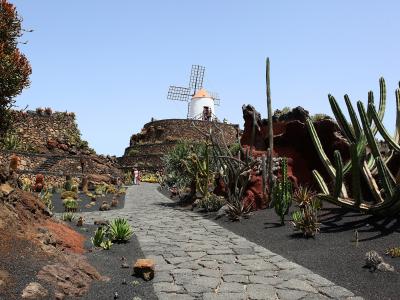
Lanzarote · Architectural Heritage
Jardín de Acolada
The Jardín de Acolada is listed in this guide as a cactus garden in Guatiza, in the north-east of Lanzarote, and the des...
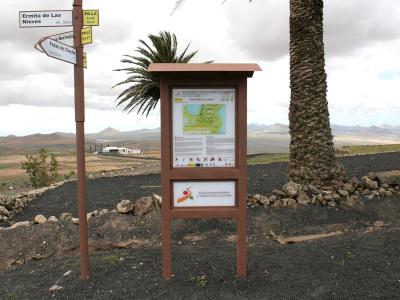
Gran Canaria · Coastal Views
Puerto de las Nieves (El Caño)
Puerto de las Nieves is the small fishing harbour of Agaete, on the north-west coast of Gran Canaria. The village grew u...
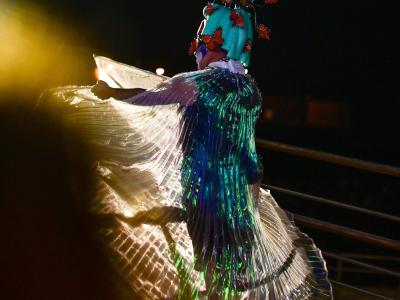
Tenerife · City Centers
Tenerife Carnival
World's second largest carnival in Santa Cruz
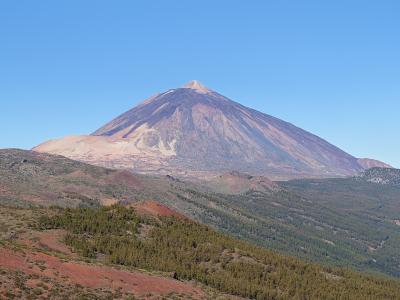
Tenerife · Geological Sites
Mount Teide (via Mount Teide Cable Car)
Cable car to 3,555m peak in Canary Islands
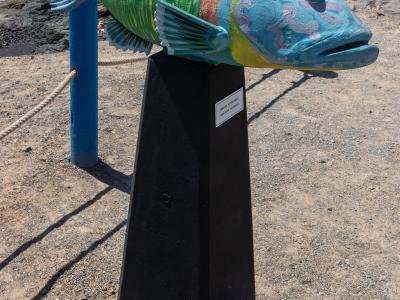
Fuerteventura · Coastal & Beaches
El Cotillo
El Cotillo is a small fishing village on the northwest coast of Fuerteventura, and it has become one of the island's mos...
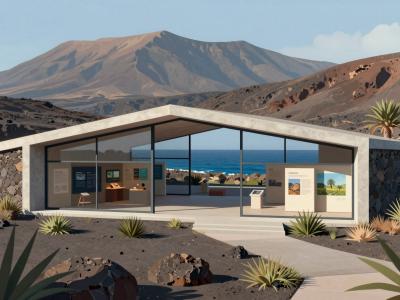
El Hierro · Museums & Culture
El Hierro Biosphere Reserve Visitor Center
El Hierro is the smallest and westernmost of the main Canary Islands, and the whole island is a UNESCO Biosphere Reserve...
Itineraries for Canary Islands
Day-by-day routes you can follow as written or borrow from.