
History and Cultural Heritage
Seville’s history is a layered narrative of conquest and cultural fusion, beginning with its origins as the Roman city of Hispalis. The city rose to prominence after the Islamic conquest in 711, becoming a center of learning and art during the Moorish era. This period left an indelible mark on the city’s architecture and urban layout, visible in the intricate tile work and courtyard designs. Following the Christian Reconquest in 1248, Seville became the gateway to the Americas, amassing immense wealth that funded the construction of grand religious and civic buildings. This blend of Islamic, Gothic, Renaissance, and Baroque influences creates a unique architectural tapestry. The city’s identity is also deeply tied to Flamenco, an art form that originated in Andalusia and serves as a powerful expression of local emotion and history.
Main Attractions
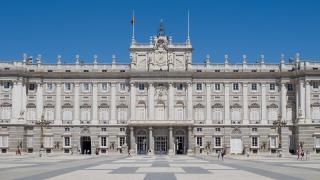
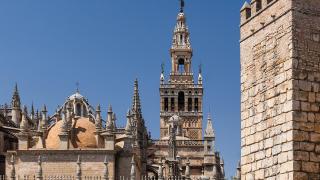
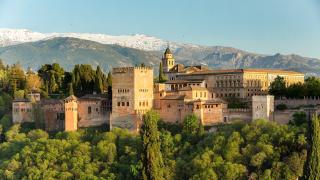
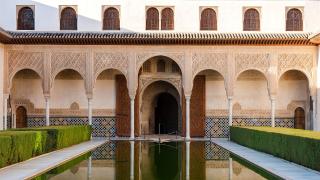
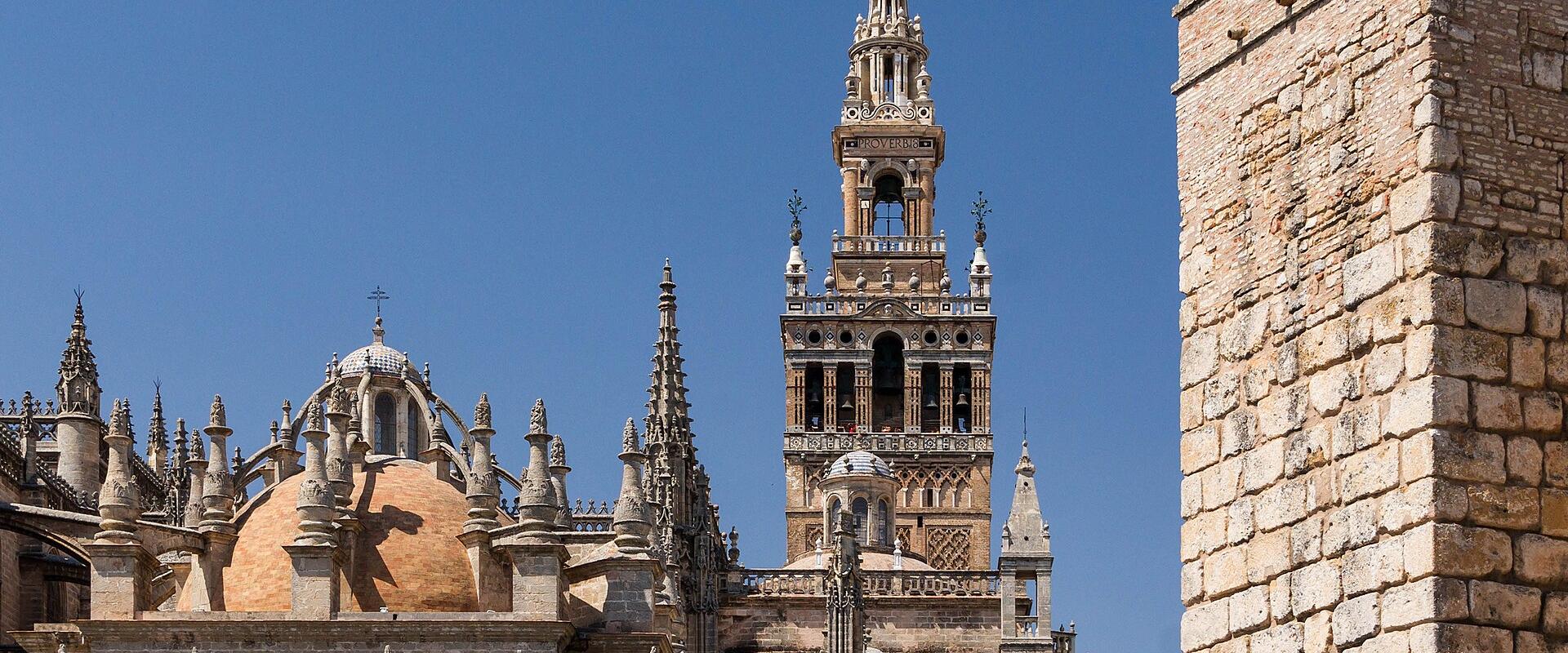
The crown jewel of Seville is the Real Alcázar, a royal palace complex that showcases the finest examples of Mudéjar architecture. Its intricate stucco work, lush gardens, and reflective pools offer a serene contrast to the bustling city. Adjacent to the Alcázar stands the Seville Cathedral, the largest Gothic cathedral in the world and a UNESCO World Heritage site. It houses the tomb of Christopher Columbus and the famous Giralda bell tower, originally built as a minaret. Another iconic landmark is the Plaza de España, a semi-circular plaza built for the Ibero-American Exposition of 1929. With its stunning brickwork, tiled alcoves representing each province of Spain, and a moat crossed by bridges, it is widely considered one of the most beautiful squares in Spain. The historic Santa Cruz quarter, with its narrow, winding streets and whitewashed houses, provides a picturesque backdrop for exploring the city’s medieval past.
Activities
Visitors to Seville can immerse themselves in the local culture through a variety of activities. Walking through the Santa Cruz quarter allows for an intimate exploration of the city’s Jewish and Moorish heritage. Taking a boat ride on the Guadalquivir River offers a unique perspective of the city’s skyline, including the Giralda and the Torre del Oro. For a taste of local life, hopping between tapas bars in the Triana neighborhood provides an authentic culinary experience, where locals gather to enjoy traditional dishes and drinks. Attending a Flamenco performance in a small tablao offers a visceral connection to the region’s artistic soul. Additionally, cycling along the riverside paths or visiting the Maria Luisa Park provides opportunities for relaxation amidst lush greenery.
Getting There
Seville is well-connected by air, rail, and road. Seville-San Pablo Airport (SVQ) offers domestic and international flights, with a short transfer to the city center via taxi or bus. The AVE high-speed train connects Seville to Madrid in approximately 2.5 hours, providing a fast and comfortable alternative. For those traveling by car, the A-4 highway links the city to Madrid and other major Andalusian cities. Within the city, the historic center is compact and best explored on foot, though a network of buses and a tram system also serve the wider urban area.
Best Time to Visit
The best time to visit Seville is during the spring (April to June) and autumn (September to October) months. During these periods, the weather is mild and pleasant, with temperatures ranging from 20°C to 25°C, making it ideal for sightseeing. The summer months, particularly July and August, can be extremely hot, with temperatures often exceeding 40°C, which may be uncomfortable for outdoor activities. The winter months are mild but can be rainy. The shoulder seasons offer the best balance of comfortable weather and manageable crowd levels, allowing for a more enjoyable experience of the city’s outdoor attractions.
Best time to visit
April to June and September to October offer mild, pleasant weather ideal for sightseeing.
What to see in Seville
Our picks first.
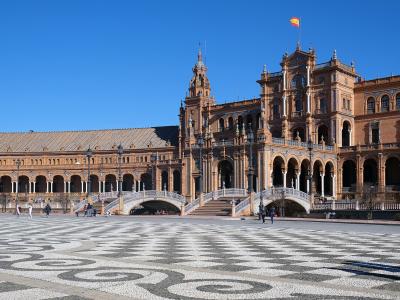
Plaza de España
Historic Heritage · Museums & Culture
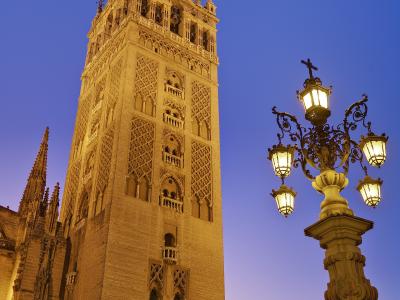
Seville Cathedral and La Giralda
Architectural Heritage · Cathedrals
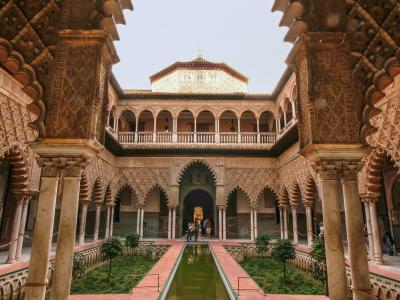
Real Alcázar of Seville
Architectural Heritage · Gardens
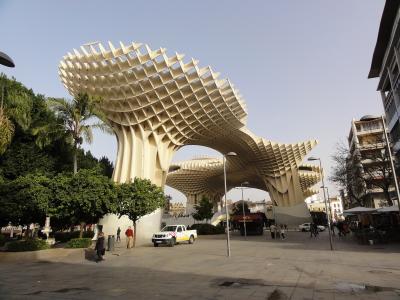
Metropol Parasol (Las Setas)
Architectural Heritage · City Centers

Flamenco de Sevilla
From €10 Museums & Culture · Cultural Centers
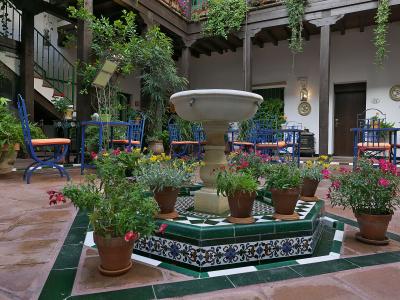
Barrio Santa Cruz
Free City Centers · Historic Districts
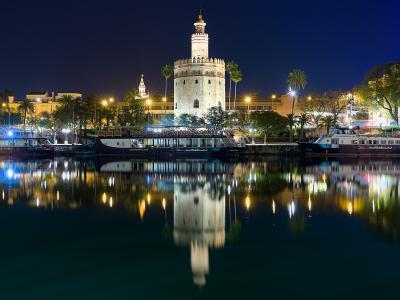
Torre del Oro
From €3 Historic Towers · History Museums
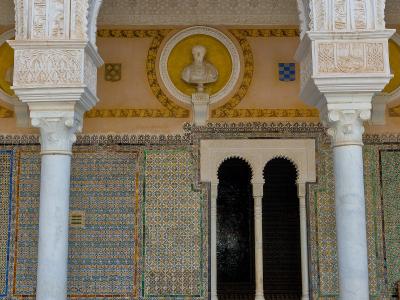
Casa de Pilatos
From €6 Historic Heritage · Museums & Culture
Parque de María Luisa
Free Architectural Heritage · Gardens

Triana Market (Mercado de Triana)
Historic Districts · Markets
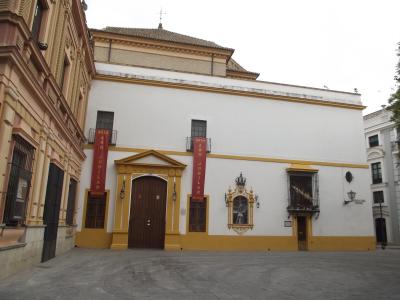
Museo de Bellas Artes
From €1.50 Architectural Heritage · Art Museums
Seville by interest
The same sights, grouped by what you came for.
Did you know?
Checked facts about Seville, each with its source.
-
Record
Largest Cruise Ship in Seville
The largest cruise ship to ever visit the port of Seville was the Azamara Journey, which docked at the Muelle de las Delicias on August 21, 2012.
Source: en.wikipedia.org
Planning a visit to Seville
Itineraries that include Seville
Good to know
- Currency
- EUR
- Language
- Spanish