



Regulatory Landscape
Spain enforces strict camping regulations across its diverse regions. Wild camping is generally prohibited and heavily fined. Authorities impose significant penalties for unauthorized overnight stays. These fines vary by autonomous community. Some regions enforce zero tolerance policies. Others allow limited exceptions in remote areas. Bivouacking is tolerated in high mountain zones. This applies specifically to the Pyrenees and Sierra Nevada. Campers must leave before dawn. You must carry no permanent structures. Vehicle overnight parking bans are common in coastal tourist zones. Many municipalities prohibit sleeping in cars on beaches. Enforcement is strict during peak summer months. Fines for illegal parking can reach hundreds of euros. Campers must use designated campsites in most areas. These sites offer essential utilities and safety checks. Glamping operators must hold specific tourism licenses. Regulations ensure hygiene and environmental protection standards. Always check local municipal ordinances before arriving. Rules change frequently between different provinces. Ignorance of local laws is not a valid defense. Plan your route around authorized camping zones. This ensures compliance with Spanish tourism laws. Avoid fines by respecting regional restrictions. Prioritize established campsites for a secure stay.
Site Classifications
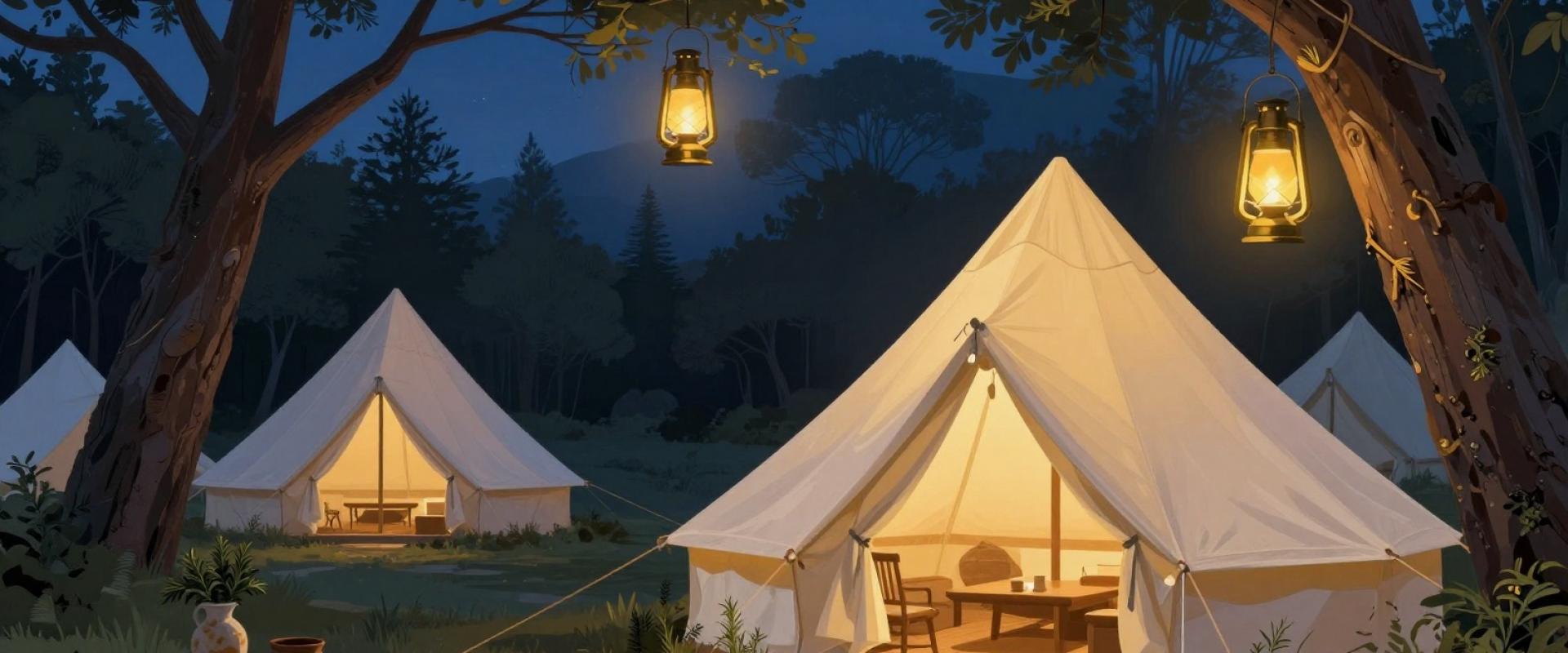
Spain offers distinct camping categories for travelers. Municipal sites provide budget-friendly options. These basic facilities cater to authentic experiences. They lack extensive luxury amenities. Prices remain significantly lower than commercial parks. Commercial holiday parks dominate coastal regions. They offer full amenities for comfort. Pools, restaurants, and entertainment are standard. These parks suit families seeking convenience. Glamping provides a luxury nature experience. Unique structures include yurts and domes. Guests enjoy comfort without sacrificing scenery. This sector grows in popularity. It bridges the gap between roughing it and hotels. Municipal sites are common inland. Commercial parks cluster near beaches. Glamping sites appear in diverse landscapes. Each type serves different traveler needs. Budget campers prefer municipal grounds. Luxury seekers choose glamping or parks. Understanding these distinctions aids planning. Spain’s infrastructure supports all levels. Choices depend on desired comfort. Coastal areas favor commercial developments. Inland regions offer simpler municipal options. Glamping remains a niche but expanding market. Travelers should verify specific site features. Amenities vary widely between providers. Planning ahead ensures a suitable stay.
Seasonal Dynamics
Spanish camping follows strict seasonal rhythms. High season runs from July to August. Prices peak during these summer months. Crowds fill coastal sites and islands. Advance reservations are crucial for July. Book months ahead to secure space. July and August see the highest rates. Winter brings limited options to northern regions. Cold weather restricts camping in northern Spain. Southern areas remain accessible in winter. Low-altitude sites stay open year-round. Glamping sites often close in winter. Check specific site closures before traveling. Shoulder seasons offer better value. Spring and autumn provide mild weather. Prices drop significantly outside peak months. Crowds thin out in May or September. Weather becomes more predictable and pleasant. You avoid the intense summer heat. Coastal sites remain busy in summer. Inland sites see moderate traffic in spring. Mountain camps close early due to snow. Always verify opening dates for each site. Spanish regulations enforce strict seasonal limits. Wild camping bans apply year-round. Respect local restrictions during all seasons. Plan your trip around site availability. Peak demand requires early action. Budget travelers should target shoulder months. Families often prefer summer convenience. Solo travelers benefit from spring quiet. Verify weather forecasts before booking. Spanish climate varies by region. Coastal areas stay warm longer. Northern regions cool down quickly. Adjust your gear for seasonal shifts. Prepare for rain in autumn. Pack sun protection for summer. Winter camping requires heavy insulation. Check site heating availability. Glamping offers climate-controlled comfort. Standard tents lack winter amenities. Choose wisely based on season. Spain’s diversity affects seasonal access. Research specific regional conditions. Plan accordingly for a safe trip.
Booking Strategies
Secure reservations three to six months ahead for peak summer months. July and August see maximum demand across coastal regions. Online platforms facilitate direct bookings with Spanish campsite owners. These digital channels often provide exclusive early-bird discounts. Verify specific amenities before confirming any reservation. Check for reliable electricity hookups and fresh water access. Confirm vehicle access routes, especially for larger motorhomes. Some sites restrict entry for vehicles over certain lengths. Review recent traveler feedback on independent booking sites. Recent comments reveal current operational status and cleanliness levels. Spanish regulations require strict adherence to site rules. Wild camping is generally prohibited and heavily fined. Authorities impose significant penalties for unauthorized overnight stays. Municipal sites offer budget-friendly options for budget-conscious travelers. These basic facilities cater to authentic experiences. They lack extensive luxury amenities found in glamping. Glamping options provide pre-equipped tents with comfortable beds. These sites blend outdoor immersion with hotel-like comfort. Prices vary significantly by location and season. Coastal sites command higher rates during high season. Inland rural sites often offer better value. Always verify included services like bedding or kitchen use. Direct contact with site owners clarifies specific requirements. This approach ensures a smooth and comfortable stay. Planning ahead prevents last-minute stress and limited availability. Spanish camping infrastructure is well-maintained but popular. Early booking guarantees the best available options. Trust verified reviews to gauge actual experience quality. This strategy minimizes risk and enhances overall satisfaction. Spanish camping culture values respect for nature. Adhering to local rules ensures a positive experience for all travelers. Always check specific site rules before arrival. This ensures compliance with local regulations and customs.
Practical Etiquette
Campers must strictly adhere to 'leave no trace' principles across Spain. This means removing all waste from natural sites. Glamping guests should respect the surrounding environment. Quiet hours are enforced at most Spanish campsites. Noise regulations typically apply from 10 PM to 8 AM. Loud music or shouting is prohibited during these times. Respect for neighbors is a fundamental cultural expectation. Follow local waste disposal and recycling protocols carefully. Spain has detailed bin systems for paper, plastic, and glass. Campers must use designated bins provided by the site. Improper disposal results in fines and environmental damage. Obey traffic laws and speed limits for camper vans. Speed limits are 50 km/h in towns. Outside urban areas, the limit is 80 km/h. Strict penalties apply for traffic offenses. Using a mobile phone while driving incurs a 200€ fine. These rules ensure safety for all road users. Wild camping is generally prohibited and heavily fined. Authorities impose significant penalties for unauthorized overnight stays. Always park in designated areas only. This prevents damage to local flora and fauna. Glamping sites often have specific house rules. Guests must follow these guidelines for a smooth stay. Cleanliness standards are high in Spanish facilities. Report any issues to site management immediately. This helps maintain the quality of the experience. Responsible behavior ensures future access to these beautiful locations. Always check local signage for specific regional rules. Rules can vary between autonomous communities. Compliance shows respect for Spanish laws and culture.