Palma de Mallorca
Balearic capital with Gothic cathedral and historic port
History and Cultural Heritage
Palma de Mallorca’s history is a rich tapestry woven from the influences of various civilizations that have shaped the island over the centuries. The city’s origins trace back to the Roman era, when it was known as Palma, a name that reflects its lush, palm-filled landscape. The Romans established a significant presence, laying the foundations for the city’s infrastructure. Following the fall of the Roman Empire, the Moors took control in the 10th century, renaming the city Medina Mayurqa. During this period, Palma flourished as a center of trade and culture, with the Moors introducing advanced irrigation systems and new agricultural techniques. The city’s strategic location on the Mediterranean made it a vital hub for commerce.
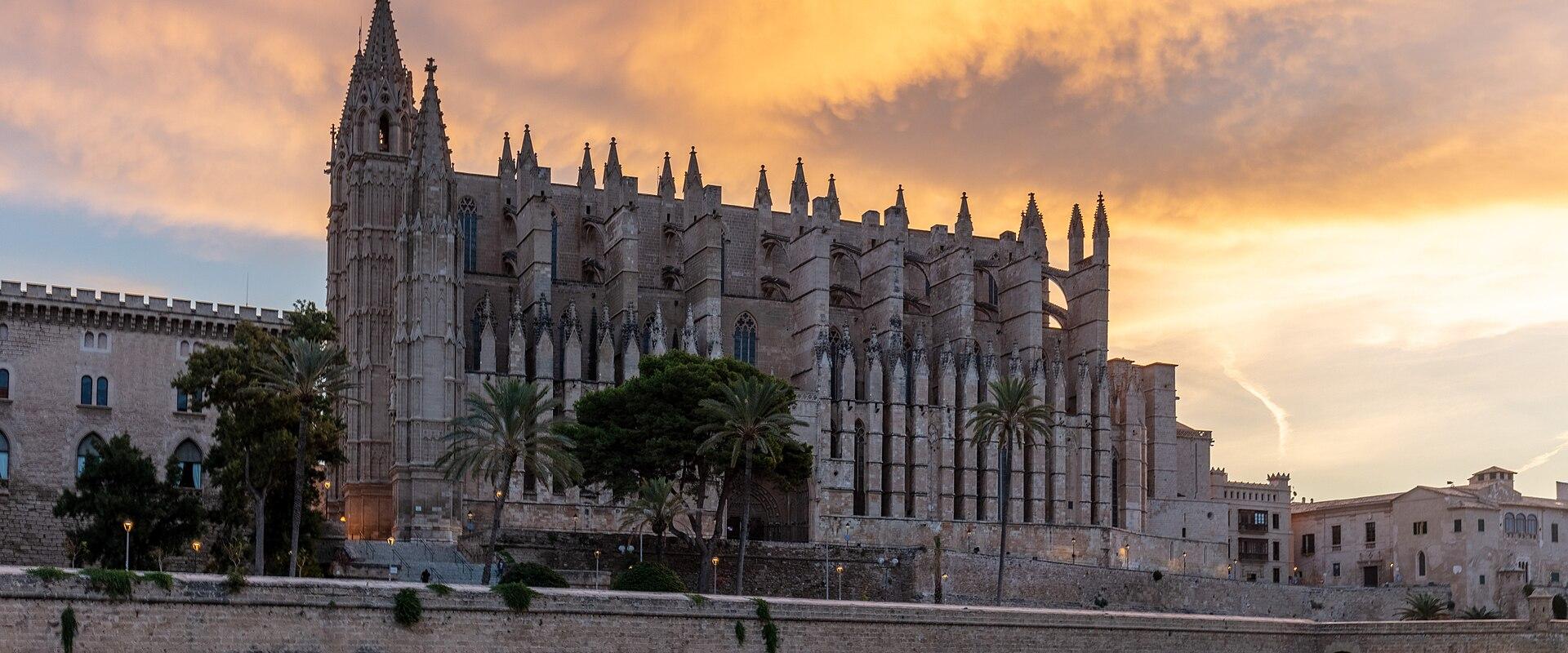
The Christian Reconquista in 1229 marked a turning point, bringing the island under the rule of the Crown of Aragon. This period saw the construction of many of the city’s most iconic structures, including the Cathedral of Santa Maria, which stands as a testament to the blend of Moorish and Christian influences. The cathedral, with its Gothic architecture, remains a central landmark, symbolizing the city’s complex and layered history.
Main Attractions
The heart of Palma’s cultural heritage is the Cathedral of Santa Maria, also known as La Seu. This Gothic masterpiece, built on the site of a former mosque, dominates the skyline with its imposing facade and intricate details. The cathedral’s unique design, including its single, off-center bell tower, is a striking feature. Inside, the cathedral is adorned with beautiful stained glass and intricate stone carvings. Adjacent to the cathedral is the Bellver Castle, a 14th-century circular castle that offers panoramic views of the city and the bay. The castle, now a museum, provides a glimpse into the island’s medieval past.
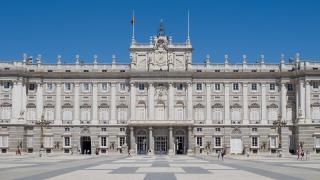
The historic center, or Casco Antiguo, is a labyrinth of narrow streets and charming plazas. Here, visitors can explore boutique shops, traditional bakeries, and historic buildings. The area is vibrant with activity, offering a mix of modern and traditional experiences. The Plaza de la Almudaina, located near the Royal Palace, is another key attraction, offering a glimpse into the royal history of the island.
Activities
Visitors to Palma can engage in a variety of activities that highlight the city’s cultural and natural beauty. The city offers a range of cultural experiences, including museum visits, art galleries, and live music performances. The local cuisine is a highlight, with a variety of traditional Mallorcan dishes available in local restaurants. Visitors can also enjoy water sports, such as swimming, snorkeling, and sailing, taking advantage of the clear waters and sunny weather.
For those interested in history, a visit to the Bellver Castle is a must. The castle offers stunning views of the city and the surrounding landscape. Additionally, visitors can explore the historic center, visiting the cathedral and other historic sites. The combination of cultural exploration and natural beauty makes Palma a unique destination.
Getting There
Palma de Mallorca is easily accessible by air, with Palma de Mallorca Airport located just 10 kilometers from the city center. The airport is well-connected to major European cities, with frequent flights from various hubs. From the airport, visitors can take a taxi, bus, or train to reach the city center. The train station, Palma Estacio Intermodal, is located 7 kilometers from the city center and offers connections to other parts of the island.
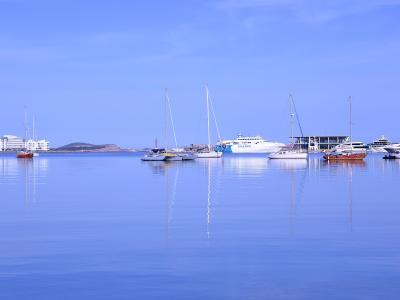
For those arriving by sea, there are regular ferry services from mainland Spain and other Balearic Islands. The port of Palma is well-equipped to handle cruise ships and ferries, providing a scenic arrival for those traveling by boat. Public transport within the city is efficient, with a network of buses and taxis providing easy access to major attractions.
Best Time to Visit
The best time to visit Palma de Mallorca is during the spring months, from March to May. During this period, the weather is mild and pleasant, with comfortable temperatures for exploring the city and its surroundings. The summer months can be hot and crowded, with high temperatures and a large number of tourists. The winter months are mild, but the weather can be unpredictable, with occasional rain. The ideal time to visit depends on personal preference, but the spring months offer the best balance of weather and fewer crowds, allowing for a more relaxed and enjoyable experience.
Best time to visit
May through September offers warm, sunny weather ideal for beach activities.
What to see in Palma de Mallorca
Our picks first.
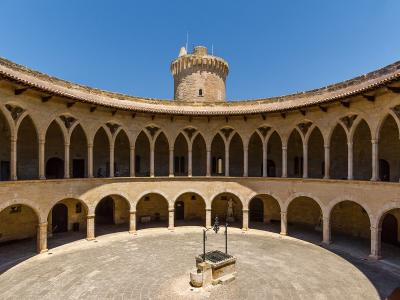
Bellver Castle (Castell de Bellver)
Circular 14th-century castle in Palma
Architectural Heritage · Castles
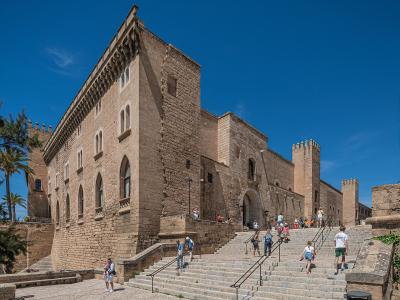
Royal Palace of La Almudaina
Historic royal palace adjacent to Palma's cathedral
From €8 Architectural Heritage · Historic Houses
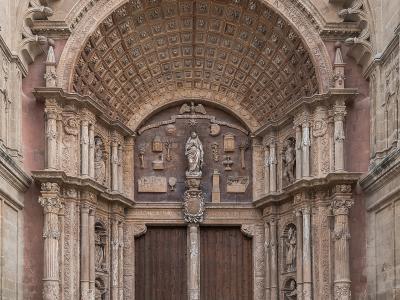
Catedral De Mallorca (La Seu)
Gothic cathedral in Palma, Spain
Cathedrals · Religious Sites
Palma de Mallorca by interest
The same sights, grouped by what you came for.
Did you know?
Checked facts about Palma de Mallorca, each with its source.
-
Film & TV
Pioneering Cinema in Mallorca
The island hosted the filming of 'The Secret of the Ring' (El Secreto del Anillo) in 1913, marking it as the location of the first foreign fiction movie shot there. It also saw the production of the first home-grown Mallorcan film production in the early 20th century.
Source: best-of-mallorca.com -
Notable Person
Birthplace of Cartography Giant
Abraham Cresques, a renowned Jewish cartographer from Palma, created the Catalan Atlas, one of the most significant navigational maps of the 14th century. He is listed among the globally memorable people born in the city between 1232 and 2003.
Source: pantheon.world
Planning a visit to Palma de Mallorca
Itineraries that include Palma de Mallorca
Good to know
- Currency
- EUR
- Language
- Spanish