

Understanding Spain's Budget Reality
Spain requires a mandatory 122€ daily fund for visa entry. This threshold satisfies border authorities, not actual spending needs. Real costs vary significantly by travel style. Backpackers typically spend 85€ to 100€ daily. This covers hostels and affordable street food. Mid-range travelers budget 180€ to 250€ per day. This includes three-to-four-star hotels and restaurant meals. Luxury travelers should expect to spend 450€ to 800€ or more. This tier covers five-star accommodations and fine dining. Strategic planning reduces overall expenses effectively. Utilize the new 60€ National Transport Pass. This pass saves up to 40% on intercity travel. Avoid tourist traps to maintain budget integrity. Coffee costs 1.80€ locally versus 5€ in tourist plazas. Always account for new city taxes in hubs like Barcelona. These fees appear at checkout and impact final costs. Understanding these tiers prevents financial surprises. Plan accommodation and transport before arrival. Local prices differ sharply from tourist zone rates. Prioritize essential expenses over luxury amenities. Spain remains a high-value destination with careful management.
Spain’s new 60€ National Transport Pass offers significant savings. This pass reduces travel costs by up to 40%. It covers various public transport modes across the country. Use regional buses for rural access and lower prices. These buses connect smaller towns efficiently and affordably. High-speed rail requires advance booking for the best rates. Last-minute tickets often cost significantly more than planned fares. Always check schedules before purchasing to secure lower prices. Local city passes provide unlimited travel within specific urban areas. Barcelona and Madrid offer these passes for daily or weekly use. These passes cover metros, buses, and sometimes trams. They eliminate the need for single-ticket purchases. This strategy minimizes transit costs for frequent travelers. Avoid tourist trap pricing by using official transport apps. Verify local prices before boarding any regional service. Strategic planning ensures you stay within your daily budget. The 122€ daily fund requirement does not dictate actual spending. Real costs are lower with proper transit planning. Utilize these tools to maximize your travel funds effectively.
Smart Accommodation Strategies
Hostels remain the most affordable lodging option for backpackers. You can expect costs between 85€ and 100€ daily for basic stays. Rural agroturismos offer unique experiences in the Spanish countryside. These stays often provide meals and local activities. Apartment rentals suit longer trips or small groups. Booking directly can sometimes bypass platform fees. Stay slightly outside major city centers for lower rates. Barcelona charges specific city taxes on accommodation. These fees add to the final checkout cost. Always verify if taxes are included in the price. Hidden fees can significantly increase your total budget. Check for cleaning charges in apartment listings. Rural areas generally have lower nightly rates. Urban centers like Madrid and Seville are pricier. Use the 60€ National Transport Pass to commute. This pass saves up to 40% on travel. It connects suburbs to city centers efficiently. Avoid tourist traps by choosing local neighborhoods. Coffee costs 1.80€ locally versus 5€ in plazas. Apply this logic to accommodation selection too. Prioritize value over convenience in expensive zones. Plan bookings well in advance for better prices. Spain’s budget reality requires strategic accommodation choices.
Dining Like a Local
Spain’s menú del día offers exceptional value for budget travelers. This fixed-price lunch includes a starter, main course, drink, and dessert. Prices typically range from 10€ to 15€ in most cities. Restaurants serve this meal between 1:00 PM and 3:30 PM. It is the most cost-effective way to eat a full meal. Avoid dining in major tourist plazas like Barcelona’s Plaça Reial. Coffee there costs 5€, compared to 1.80€ in local neighborhoods. Seek out eateries in residential areas for authentic, lower prices. Supermarkets provide an excellent alternative for breakfast and dinner. Purchase fresh bread, cheese, and fruit for simple, cheap meals. This strategy significantly reduces daily food expenses. Many travelers also use supermarket items for picnics. Spain has numerous parks and scenic spots ideal for outdoor dining. This approach saves money while allowing flexible exploration. Always check for city taxes in major hubs like Barcelona. These fees add unexpected costs to hotel bills. Plan meals around local markets for fresh, affordable ingredients. Street food is also available but varies by region. Prioritize lunch as the main meal for better value. Dinner portions are often smaller and more expensive. Stick to local menus to avoid inflated tourist prices. This method ensures a balanced budget for the entire trip.
Free and Discounted Culture
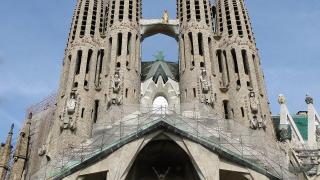
Major Spanish museums offer free entry during specific hours. The Prado Museum in Madrid allows free access on the last two hours of closing days. The Reina Sofía in Madrid grants free entry on Mondays and Wednesdays from 6:00 PM to 9:00 PM. The Guggenheim Bilbao offers free admission on Sundays from 3:00 PM to 7:00 PM. These windows require no prior booking for general entry. Public spaces provide extensive cultural value without cost. Explore the architectural exteriors of Barcelona’s Sagrada Família and Park Güell. Walk through Madrid’s Retiro Park for free historical views. Visit Seville’s Plaza de España, a stunning public square. Check local calendars for free festivals and events. Many towns host patron saint festivals with open-air concerts. Barcelona’s La Mercè festival features free cultural activities annually. Madrid’s San Isidro festival includes free street performances. Verify dates early, as schedules change yearly. Use the 60€ National Transport Pass to reach these sites. This pass covers regional buses and trains. It reduces travel costs by up to 40%. Avoid tourist traps by seeking local prices. Coffee costs 1.80€ locally versus 5€ in plazas. Account for city taxes in major hubs like Barcelona. These fees add unexpected costs at checkout. Plan visits around free hours to maximize budget. Combine museum visits with free public space exploration. This strategy lowers daily expenses significantly. Backpackers can maintain an 85€ to 100€ daily budget. This includes accommodation, food, and transport. Strategic planning ensures affordable cultural immersion. Prioritize free entry times over paid tours. This approach preserves funds for other experiences.