History and Heritage
Valencia’s history is a rich tapestry woven from Roman, Moorish, and Christian influences, creating a unique cultural identity that defines the city today. Originally founded as a Roman colony, the city has evolved over centuries, retaining traces of its diverse heritage. One of the most significant historical landmarks is the Lonja de la Seda (Silk Exchange), a 15th-century Gothic masterpiece that stands as a testament to Valencia’s golden age as a major trading hub. This UNESCO World Heritage site is a prime example of Valencian Gothic architecture and remains a central point of interest for visitors. The city’s deep historical roots are further highlighted by the presence of the Holy Grail, which is believed by many to be housed in the Valencia Cathedral, adding a layer of spiritual and historical significance to the urban landscape.
Main Attractions
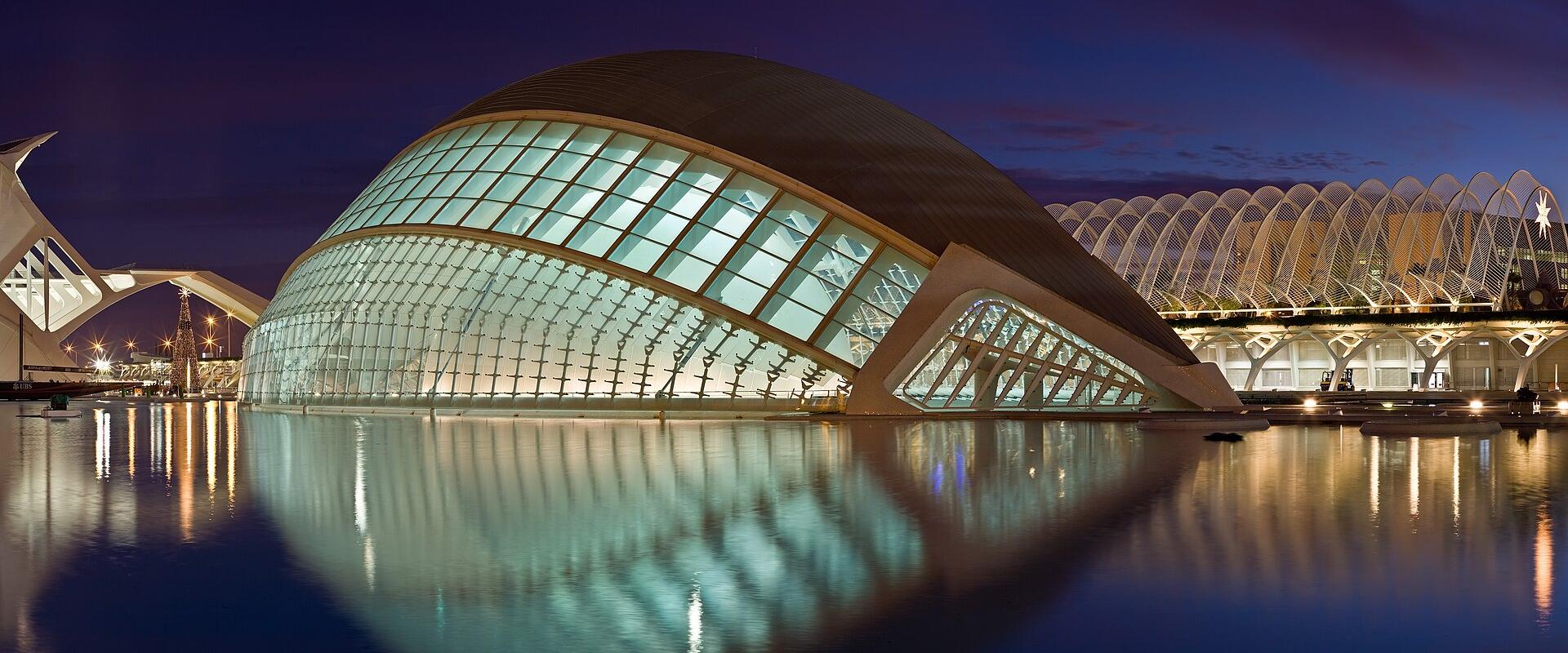
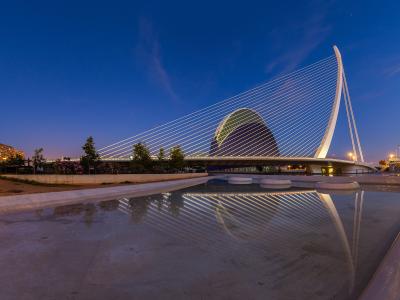
The city offers a blend of traditional and modern attractions, with the City of Arts and Sciences standing out as a major landmark. This futuristic complex, designed by Santiago Calatrava, features striking architecture that includes an oceanographic park, an opera house, and a science museum. It is one of the most visited sites in Spain, attracting millions of visitors annually who come to admire its unique design and explore its interactive exhibits. In contrast, the historic center offers a more traditional experience, with the Central Market being one of the largest in Europe. Here, visitors can explore a vibrant array of local produce, fresh seafood, and traditional Spanish goods, offering a sensory immersion into local culture.
Activities
Beyond sightseeing, Valencia offers a variety of activities that cater to different interests. The city is known for its vibrant festivals, such as the Las Fallas, which takes place in March and features elaborate sculptures, fireworks, and traditional celebrations. For those interested in nature, the Turia Gardens provide a green space for walking, cycling, and relaxing, having been transformed from a former riverbed into a linear park. Additionally, the city’s beaches, such as Malvarrosa and El Cabanyal, offer opportunities for swimming, sunbathing, and enjoying the Mediterranean climate. The local cuisine, particularly paella, is a must-try, with many restaurants offering authentic dishes made with fresh, local ingredients.
Getting There
Valencia is well-connected by air, rail, and road, making it accessible from various parts of the world. The Valencia Airport (VLC) is located approximately 8 kilometers from the city center, offering domestic and international flights. From the airport, visitors can reach the city center via bus, taxi, or the Metro, with the latter being a convenient and cost-effective option. For those arriving by train, the AVE high-speed train connects Valencia to major Spanish cities like Madrid and Barcelona, providing a fast and efficient travel option. The city’s central location in Spain also makes it an ideal hub for exploring other regions of the country.
Best Time to Visit
The best time to visit Valencia is during the spring and autumn months, when the weather is mild and pleasant. Spring, from March to May, offers warm temperatures and fewer crowds, making it an ideal time to explore the city’s outdoor attractions. Autumn, from September to October, also provides comfortable weather, with warm days and cooler evenings. Summer, while hot, is vibrant with festivals and activities, but can be crowded. Winter is mild compared to other parts of Europe, making it a suitable time for those who prefer cooler weather and fewer tourists. Regardless of the season, Valencia offers a welcoming atmosphere and a rich cultural experience for all visitors.
Best time to visit
May through October offers warm, sunny weather ideal for beach activities and outdoor exploration.
What to see in Valencia
Our picks first.
City of Arts and Sciences (Ciudad de las Artes y las Ciencias)
Architectural Heritage · Cultural Centers
Plaza de la Virgen
Historic Heritage · Urban Exploration
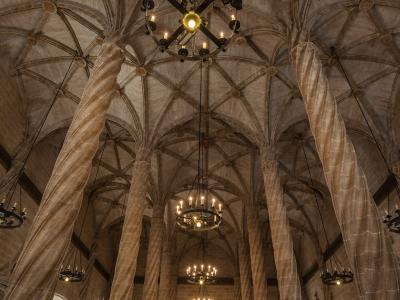
Lonja de la Seda (Silk Exchange)
From €2 Historic Heritage · Architectural Heritage
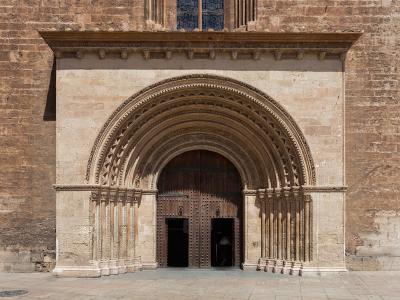
Valencia Cathedral (Catedral de Valencia)
From €6 Architectural Heritage · Cathedrals
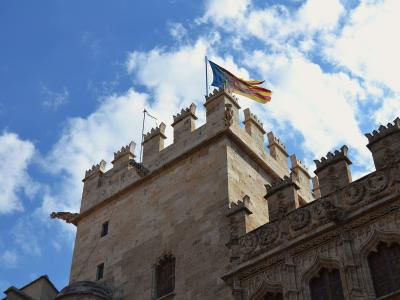
Torre de la Seda (Llotja de la Seda)
From $6.99 Historic Heritage · Architectural Heritage
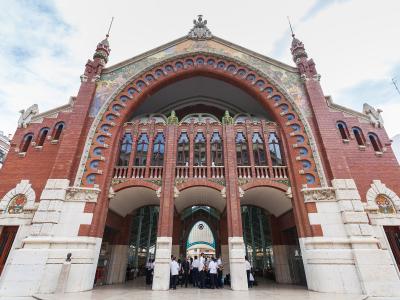
Mercado de Colón
Free Architectural Heritage · City Centers
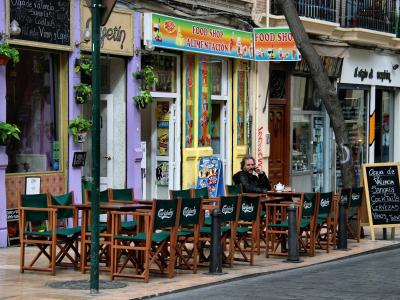
Barrio del Carmen
Architectural Heritage · City Centers
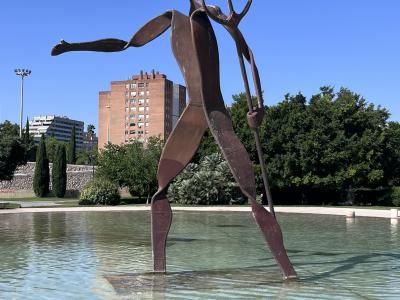
Turia Gardens (Jardín del Turia)
Free Nature & Outdoors · Urban Exploration
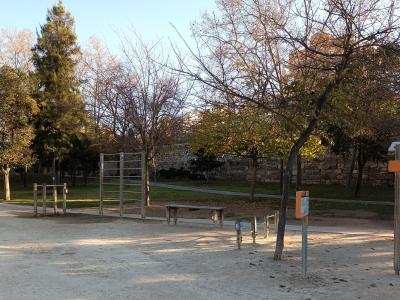
Jardín del Turia (Western Section)
Free City Centers · Gardens
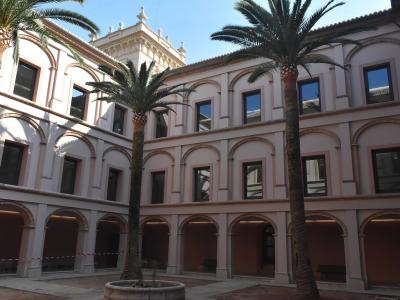
Museo de Bellas Artes de Valencia (Museo de Bellas Artes)
Art Museums · City Centers
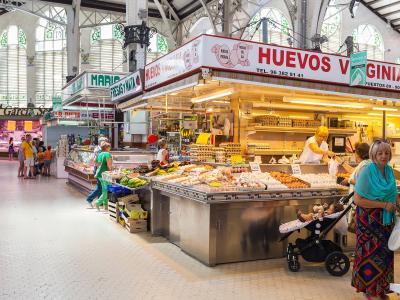
Central Market (Mercado Central)
Free Architectural Heritage · City Centers
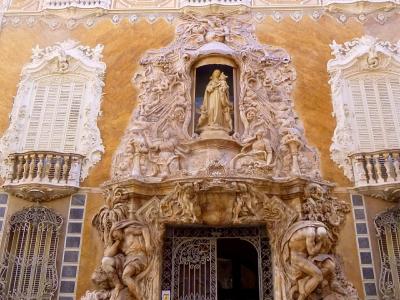
Museo de Cerámica
Historic Heritage · Museums & Culture
Valencia by interest
The same sights, grouped by what you came for.
Did you know?
Checked facts about Valencia, each with its source.
-
Film & TV
Doctor Who and Westworld filmed in Valencia
The British BBC series 'Doctor Who' and the HBO series 'Westworld' both filmed scenes in Valencia, with the latter utilizing the City of Arts and Sciences for specific shots.
Source: www.visitvalencia.com -
Notable Person
Pope Alexander VI was born in Valencia
Pope Alexander VI, a significant figure in Renaissance history, was born in Valencia.
Source: pantheon.world
Planning a visit to Valencia
Itineraries that include Valencia
Good to know
- Currency
- EUR
- Language
- Spanish