

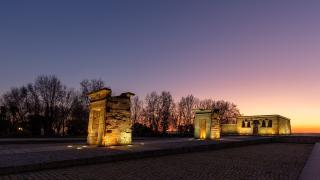

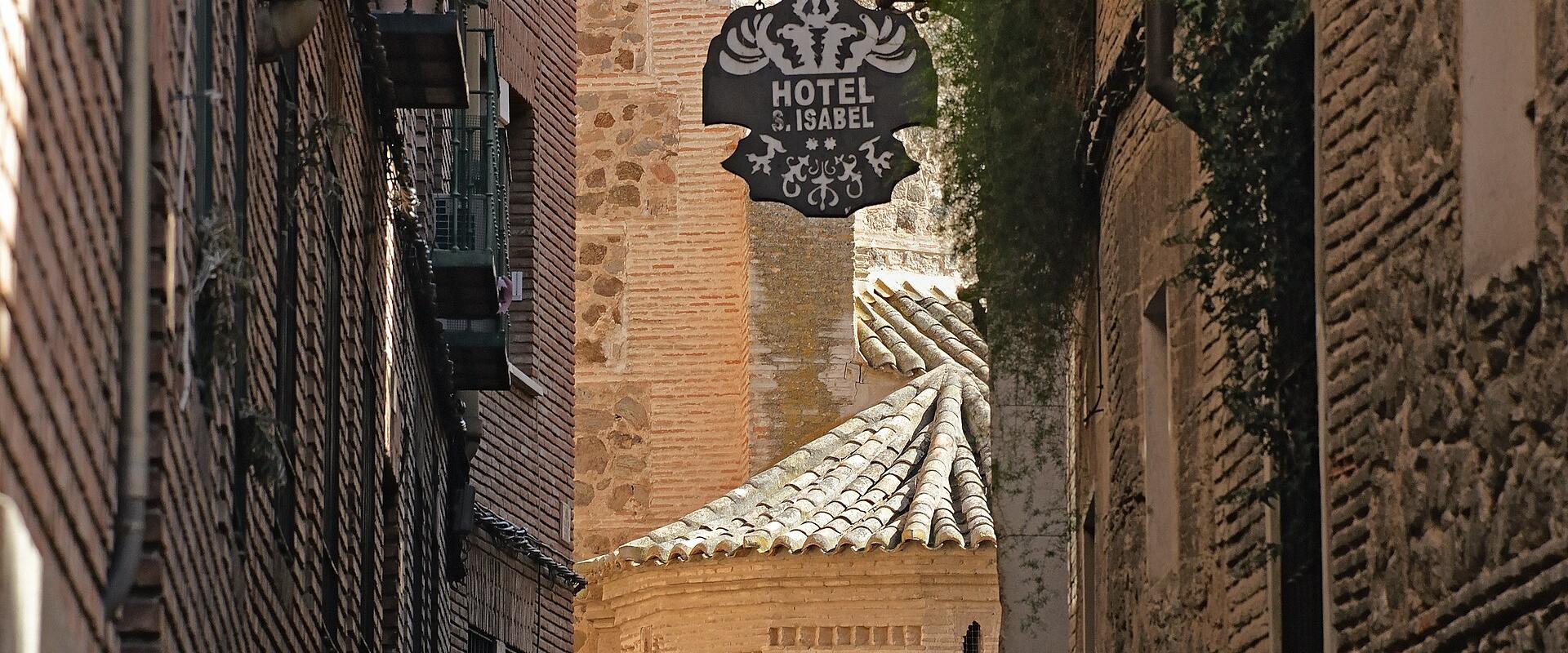
History and Cultural Heritage
Toledo, often referred to as the "City of Three Cultures," is a place where history is palpable in every stone. Located on a rugged promontory surrounded by the Tagus River, the city has served as a crossroads for Christian, Muslim, and Jewish civilizations for centuries. This unique blend of influences is embedded in the architecture, creating a unique cultural tapestry. The historic center, a UNESCO World Heritage site, preserves the legacy of these three faiths, with mosques, synagogues, and churches standing in close proximity. The city’s history is not just a backdrop but a living part of the urban landscape, offering a deep dive into the complex social and religious history of Spain.
Main Attractions
The crown jewel of Toledo is the Cathedral, a masterpiece of Spanish Gothic architecture. Its intricate facade and ornate interior, including the famous altarpiece, are testaments to the artistic skill of the region. The Church of Santo Tomé is another key landmark, home to El Greco’s masterpiece, The Burial of the Count of Orgaz. This 16th-century painting is a highlight for art lovers, showcasing the unique style of the local artist. The Monastery of San Juan de los Reyes, built by the Catholic Monarchs, offers a striking example of Isabelline Gothic architecture. These sites are not just historical artifacts but are integral to the cultural identity of the city, offering a glimpse into the religious and artistic heritage of the region.
Activities
Visitors to Toledo can engage in a variety of activities that highlight the city’s rich cultural heritage. Walking through the historic center is a must, with narrow, winding streets that reveal hidden gems at every turn. The local cuisine is a highlight, with traditional dishes such as morcilla (blood sausage) and mantecados (pastries) available in local markets and restaurants. The city also offers a range of cultural experiences, including museum visits and guided tours that provide deeper insights into the region’s history. For those interested in art, the local workshops offer a chance to see traditional crafts, such as the crafting of toledan steel, a tradition that has endured for centuries.
Getting There
Toledo is easily accessible from Madrid, with a travel time of approximately 30 to 40 minutes by high-speed train. Renfe operates frequent services from Madrid Atocha station to Toledo, with trains running every 30 minutes. The journey is quick and efficient, making it an ideal day trip. Alternatively, visitors can drive, with the journey taking about 30 minutes via the A-4 highway. The road is well-maintained, and clear signage guides travelers to the city center. Public transport is reliable and affordable, making it an accessible option for all travelers.
Best Time to Visit
The best time to visit Toledo is during the spring (April to June) and autumn (September to October) months. During these periods, the weather is mild and pleasant, with comfortable temperatures for exploring the city. The summer months can be hot, with high temperatures that may be uncomfortable for outdoor activities. The winter months are cooler, but the city retains its charm, with fewer crowds. The ideal time to visit is during the shoulder seasons, when the weather is pleasant and the crowds are smaller, allowing for a more relaxed and immersive experience.
Best time to visit
May through September offers warm, dry weather ideal for exploring the historic center.
What to see in Toledo
Our picks first.
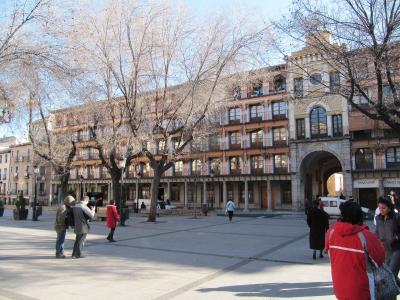
Plaza de Zocodover
Historic Heritage · Urban Exploration
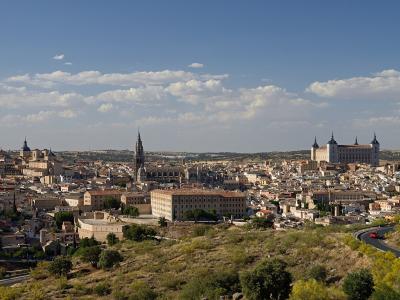
Cathedral Of Toledo
Spain's first Gothic cathedral, a UNESCO site in Toledo.
Historic Heritage · Museums & Culture
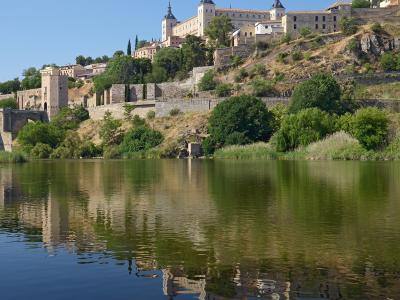
Alcázar Of Toledo
Historic fortress and military museum in Toledo
From €3 Castles · Historic Districts
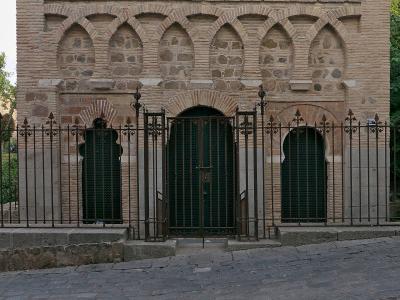
Mezquita Del Cristo De La Luz
999 AD Moorish mosque in Toledo, Spain
Historic Heritage · Architectural Heritage
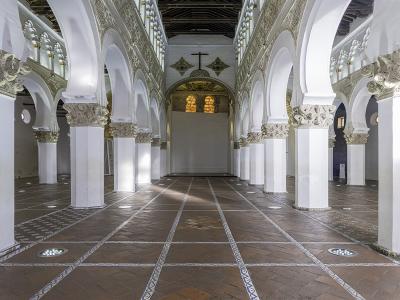
Synagogue Of Santa María La Blanca
12th-century Mudéjar synagogue in Toledo's Jewish quarter
Architectural Heritage · Jewish Quarters
Toledo by interest
The same sights, grouped by what you came for.
Did you know?
Checked facts about Toledo, each with its source.
-
Film & TV
The Good, the Bad and the Ugly Filming Location
The iconic 1966 Western film The Good, the Bad and the Ugly was partially filmed in the Spanish town of Almería, though the provided search results specifically link the city of Toledo, Spain, to the 1967 film The Good, the Bad and the Ugly (likely a reference to the same film or a specific cut/edition in the provided metadata context).
Source: en.wikipedia.org -
History
Toledo as a Center of Translation
Historically, Toledo served as a critical hub for the transfer of knowledge between civilizations, where scholars translated works that were subsequently transmitted across regions, distinguishing it from other areas where conquest led to the destruction of intellectual heritage.
Source: bfwclassroom.com
Planning a visit to Toledo
Itineraries that include Toledo
Good to know
- Currency
- EUR
- Language
- Spanish
Quick Facts
Book your stay
Questions people ask
More places in Castile-La Mancha
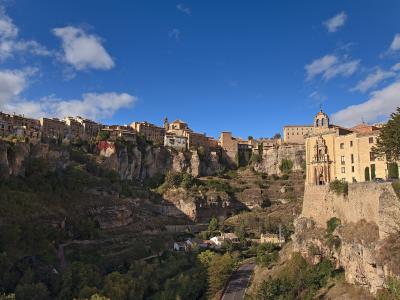
Castile-La Mancha
Cuenca
Castilian city with hanging houses on a cliff edge
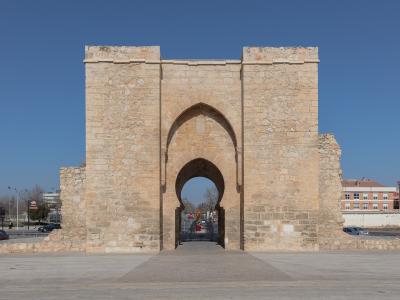
Castile-La Mancha
Ciudad Real
Provincial capital in Castile-La Mancha
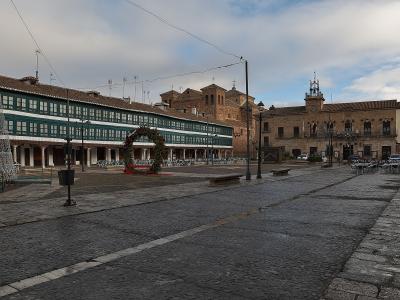
Castile-La Mancha
Almagro
Castilian town with oldest theater in the world
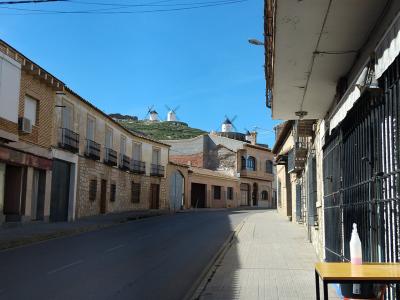
Castile-La Mancha
Consuegra
Historic town with iconic windmills in Castile-La Mancha