History
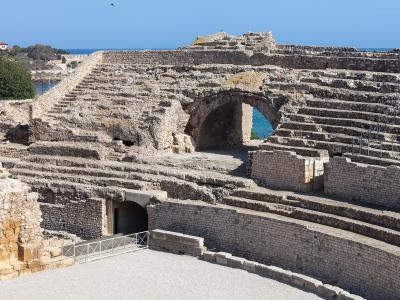
The history of Barcelona is a long story woven from Roman, Moorish, and Catalan influences, spanning over two millennia. Founded as Barcino by the Romans, the city has evolved into a major cultural and economic hub in Europe. The medieval period left an indelible mark, with the Gothic Quarter preserving the intricate layout of the old city; the city was the capital of the medieval Crown of Aragon’s maritime trade. The Renaissance and the Industrial Revolution further shaped the urban landscape, introducing modernist architecture that defines the city’s aesthetic today, and the 1992 Olympic Games brought a new wave of redevelopment along the waterfront and on the hill of Montjuïc. This blend of ancient heritage and modern innovation creates a unique cultural identity, where history is not just preserved but actively integrated into the daily life of the city.
Main Attractions
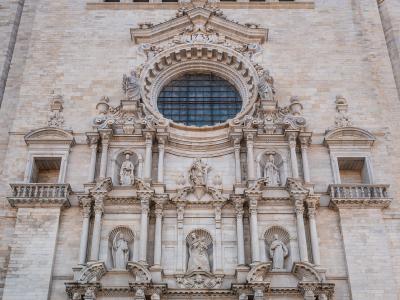
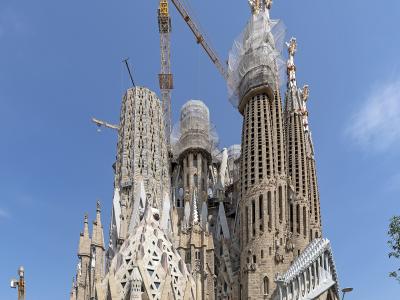
The primary attraction in Barcelona is the Sagrada Família, Antoni Gaudí’s masterpiece and a symbol of the city. This basilica, with its intricate facades and soaring spires, shows Gaudí’s unique architectural vision; construction began in 1882 and is still continuing. Tickets should be booked in advance. Other significant landmarks include the Gothic Cathedral, with its impressive stained glass, and the Palau de la Música Catalana, a masterpiece of Catalan modernism. The Park Güell, with its mosaic-covered structures, offers a whimsical escape, and the Casa Batlló shows Gaudí’s skill on a city street. Montjuïc Castle and the Museu Nacional d’Art de Catalunya (MNAC) crown the hill above the port, and the Plaça de Catalunya marks the junction between the old city and the nineteenth-century Eixample. These sites are not just tourist attractions but integral parts of the city’s cultural heritage, reflecting the artistic and architectural brilliance of Barcelona.
Activities
Visitors to Barcelona can engage in a wide variety of activities. Strolling through the narrow streets of the Gothic Quarter allows for an immersive experience of the city’s history. The city’s vibrant food scene offers a culinary journey, with local markets like La Boqueria providing a taste of Mediterranean flavors; small bars serve tapas, vermouth and the local bread rubbed with tomato. For those interested in art, the city’s museums, including the Picasso Museum, offer a deep dive into the artistic heritage of the region. The city’s beaches, such as Barceloneta, provide a good setting for relaxation and water sports. Football fans can visit Camp Nou, and families may enjoy the Tibidabo Amusement Park on the hill above the city, which has been open since 1901. The combination of cultural exploration and leisure activities ensures a diverse and engaging experience.
Getting There
Barcelona is well-connected by air, with Barcelona-El Prat Airport (BCN) serving as a major international hub. The airport is located approximately 12 kilometers from the city center, with regular bus and train connections to the city. The Aerobus is a convenient option, offering direct access to the city center. For those arriving by train, the S2 line connects the airport to the city center, providing a fast and efficient route. Public transportation within the city is also well-developed, with an extensive network of buses, metro, and tram lines, making it easy to navigate the city.
Best Time to Visit
The best time to visit Barcelona is during the spring (April to June) and autumn (September to October) months. During these periods, the weather is mild and pleasant, with comfortable temperatures ideal for exploring the city. The summer months can be hot and crowded, while the winter months, though mild, may be less ideal for outdoor activities. Visiting during the shoulder seasons allows for a more relaxed experience, with fewer crowds and lower accommodation prices. It is advisable to book accommodation in advance, especially during peak tourist seasons.
Best time to visit
May through June offers warm, dry weather ideal for exploring the city.
What to see in Barcelona
Our picks first.
Sagrada Família
Architectural Heritage · Historic Churches
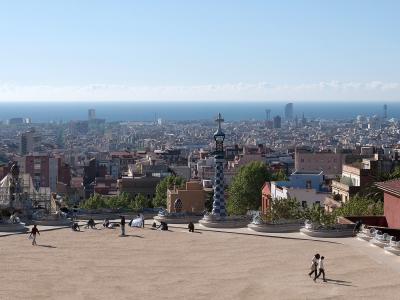
Park Güell
From €18 Architectural Heritage · Gardens
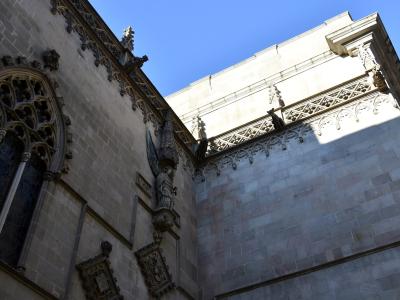
Gothic Quarter (Barri Gòtic)
Architectural Heritage · Cathedrals
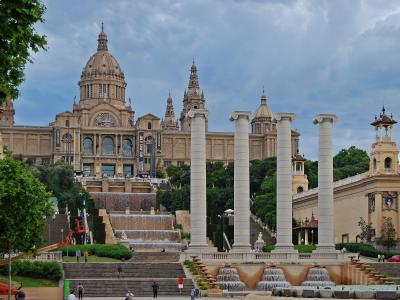
Museu Nacional d'Art de Catalunya (MNAC)
From €2 Architectural Heritage · Art Museums
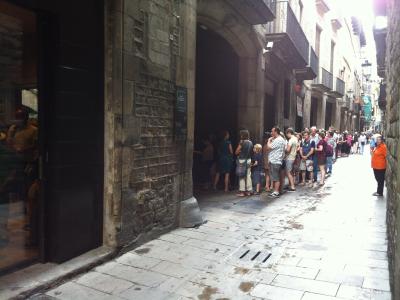
Picasso Museum
From €14 Historic Heritage · Museums & Culture
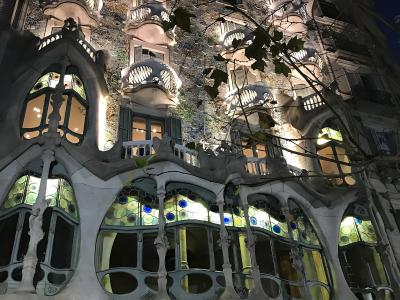
Casa Batlló
Architectural Heritage · Urban Landmarks

La Boqueria Market
Free Architectural Heritage · City Centers
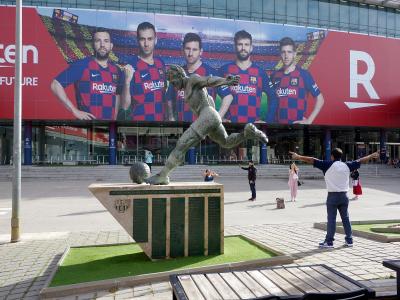
Camp Nou
From €28 Architectural Heritage · History Museums
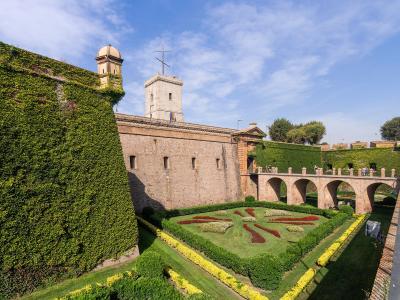
Montjuïc Castle
Castles · Coastal Views
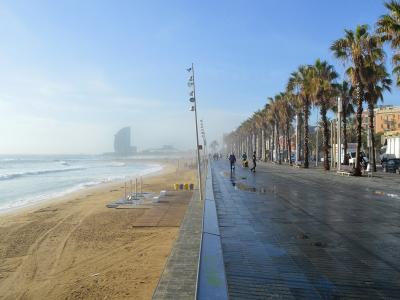
Barceloneta Beach
Free Coastal & Beaches · Urban Exploration
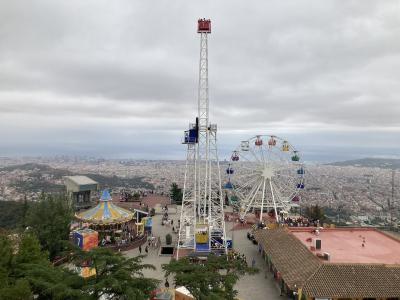
Tibidabo Amusement Park
Historic Heritage · Nature & Outdoors
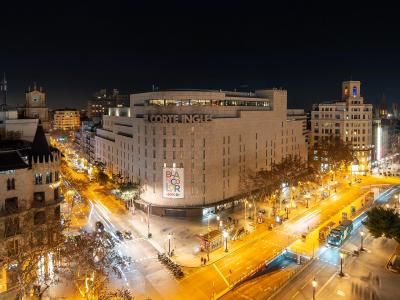
Plaça de Catalunya
Free City Centers · Gardens
Barcelona by interest
The same sights, grouped by what you came for.
Did you know?
Checked facts about Barcelona, each with its source.
-
Film & TV
Woody Allen's Barcelona Love Letter
The 2008 romantic comedy 'Vicky Cristina Barcelona' was filmed on location in the city, featuring prominent landmarks and neighborhoods as central characters in the narrative.
Source: blog.apartmentbarcelona.com -
History
Roman Colony Founded Around 10 BC
The settlement of Barcino, which evolved into modern Barcelona, was established as a Roman colony around 10 BC, originating from a small walled area around Mount Tàber.
Source: thisisbarcelona.com
Planning a visit to Barcelona
Itineraries that include Barcelona
Good to know
- Currency
- EUR
- Language
- Spanish