


History
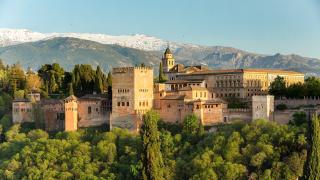
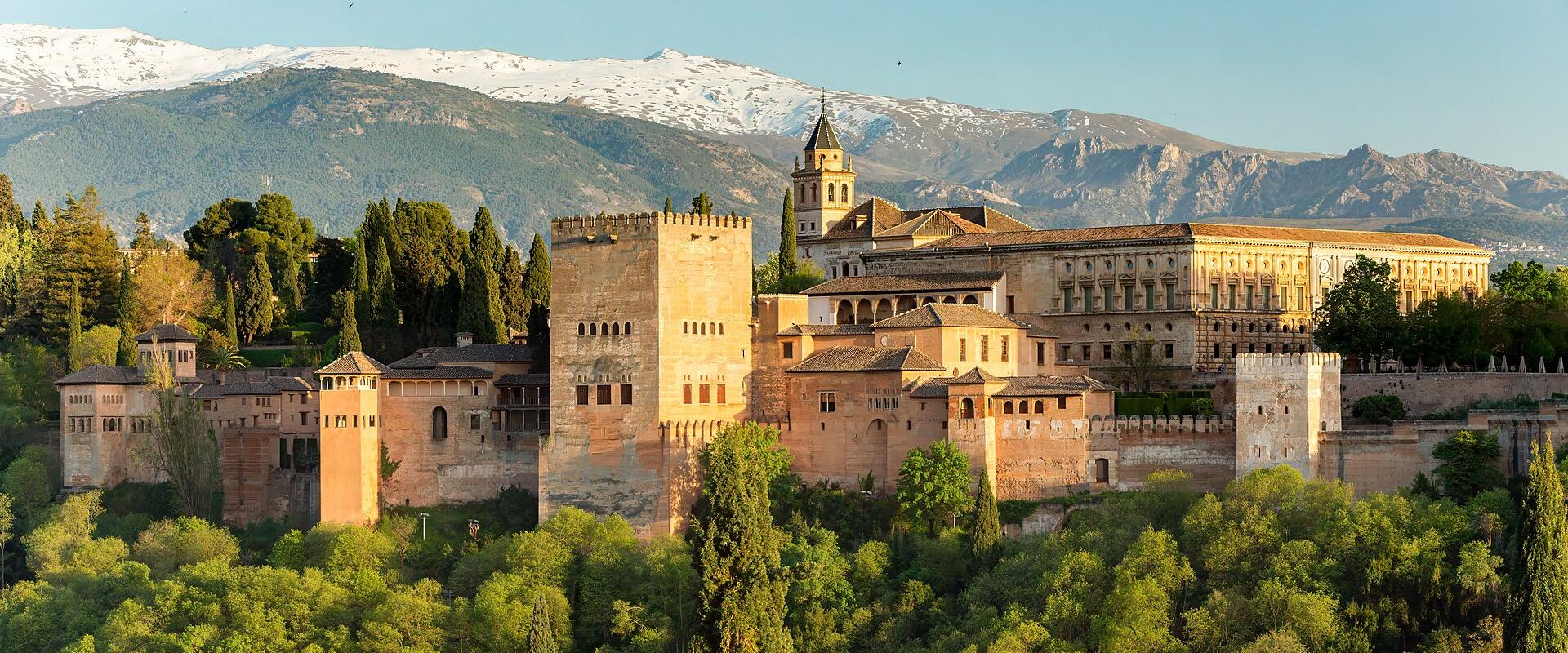
Granada’s history is a profound narrative of cultural convergence, most notably defined by its status as the last stronghold of the Nasrid Dynasty, the final Muslim rulers of the Iberian Peninsula. The city’s history is deeply intertwined with the Moorish legacy, which left an indelible mark on its architecture and culture. The Alhambra, a sprawling palace and fortress complex, stands as a testament to this era, showcasing intricate Islamic art and architecture that flourished between the 13th and 14th centuries. The fall of Granada in 1492 marked the end of the Moorish rule in Spain, yet the Islamic influence remains woven into the fabric of the city. The Albaicín, the old Moorish quarter, retains its medieval layout with narrow, winding streets and whitewashed houses, offering a glimpse into the city’s past. This historical depth is complemented by the subsequent Christian influences, visible in the grand Cathedral and the Royal Chapel, creating a unique architectural dialogue between two civilizations.
Main Attractions
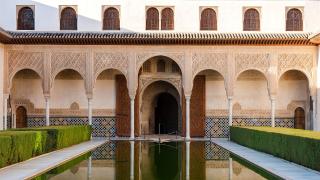
The crown jewel of Granada is undoubtedly the Alhambra, a UNESCO World Heritage Site that captivates visitors with its stunning palaces, lush gardens, and the Alhambra Palace. The intricate tile work, arches, and serene courtyards, such as the Court of the Lions, exemplify the pinnacle of Moorish design. Adjacent to the Alhambra is the Generalife, the summer palace of the Nasrid sultans, known for its beautiful gardens and fountains that provide a refreshing contrast to the arid landscape. Another key attraction is the Albaicín, a historic Moorish neighborhood that offers panoramic views of the Alhambra. The narrow, cobblestone streets are lined with traditional tap bars and ancient houses, preserving the medieval charm of the city. The Sacromonte neighborhood, known for its cave dwellings, offers a unique insight into the local Romani culture and the tradition of flamenco.
Activities
Visitors to Granada can engage in a variety of activities that highlight the city’s cultural richness. Beyond exploring the historical sites, visitors can enjoy traditional tapas, which are often served with a free drink, a unique aspect of the local dining culture. The vibrant atmosphere of the city is enhanced by the local tradition of flamenco, with numerous venues offering live performances that showcase the passion and emotion of this traditional art form. For those interested in nature, the Sierra Nevada National Park offers opportunities for hiking and skiing, providing a stark contrast to the urban landscape. The combination of cultural exploration and natural beauty offers a diverse range of experiences for visitors.
Getting There
Granada is accessible via Granada Airport (GRX), which is located approximately 20 kilometers from the city center. The airport offers domestic flights from major Spanish cities, as well as some international connections. For those arriving by train, the AVE high-speed train connects Granada to major cities like Madrid and Seville, providing a convenient and efficient travel option. Upon arrival, visitors can reach the city center via taxi or local bus, with the journey taking approximately 30 minutes. The city center is compact and walkable, making it easy to explore the main attractions on foot.
Best Time to Visit
The best time to visit Granada is during the spring (April to June) and autumn (September to October) months, when the weather is mild and pleasant. These seasons offer ideal conditions for exploring the city’s historical sites and enjoying the outdoor atmosphere. Summer months can be hot, with temperatures often exceeding 30°C, while winter months are cooler but generally mild. Visiting during the shoulder seasons allows for a more comfortable experience, with fewer crowds and lower accommodation prices. It is advisable to book accommodation and tickets for major attractions, such as the Alhambra, well in advance, especially during the peak tourist season.
Best time to visit
Spring and autumn offer mild temperatures, ideal for exploring the city comfortably.
What to see in Granada
Our picks first.
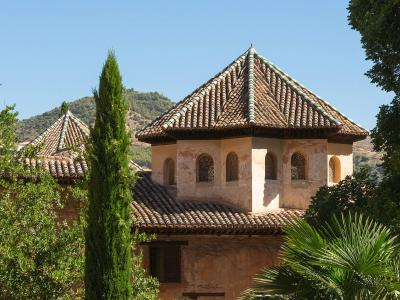
Alhambra
Nasrid Moorish palace complex in Granada
Architectural Heritage · Gardens
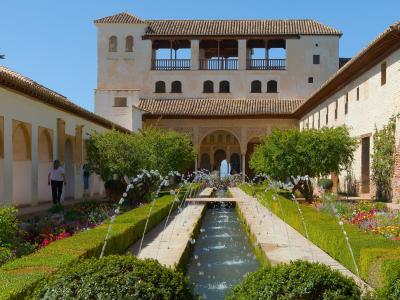
Generalife
Historic Moorish gardens in Granada, Spain
Historic Heritage · Nature & Outdoors
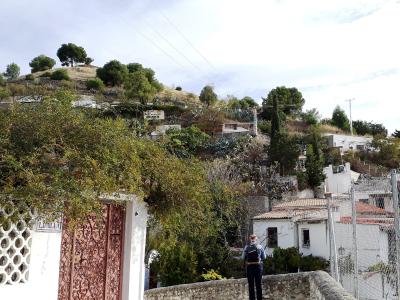
Sacromonte Neighborhood
Hillside Romani district with cave homes and flamenco her...
From €15 Architectural Heritage · Cultural Events
Granada by interest
The same sights, grouped by what you came for.
Did you know?
Checked facts about Granada, each with its source.
-
Film & TV
Granada as a Filming Hub
The province of Granada is a significant location for film production, with 212 films recorded there. Notable productions include the 1989 film 'Indiana Jones and the Last Crusade', which utilized the area for its scenes.
Source: piccavey.com
Planning a visit to Granada
Itineraries that include Granada
Good to know
- Currency
- EUR
- Language
- Spanish