
History and Cultural Heritage
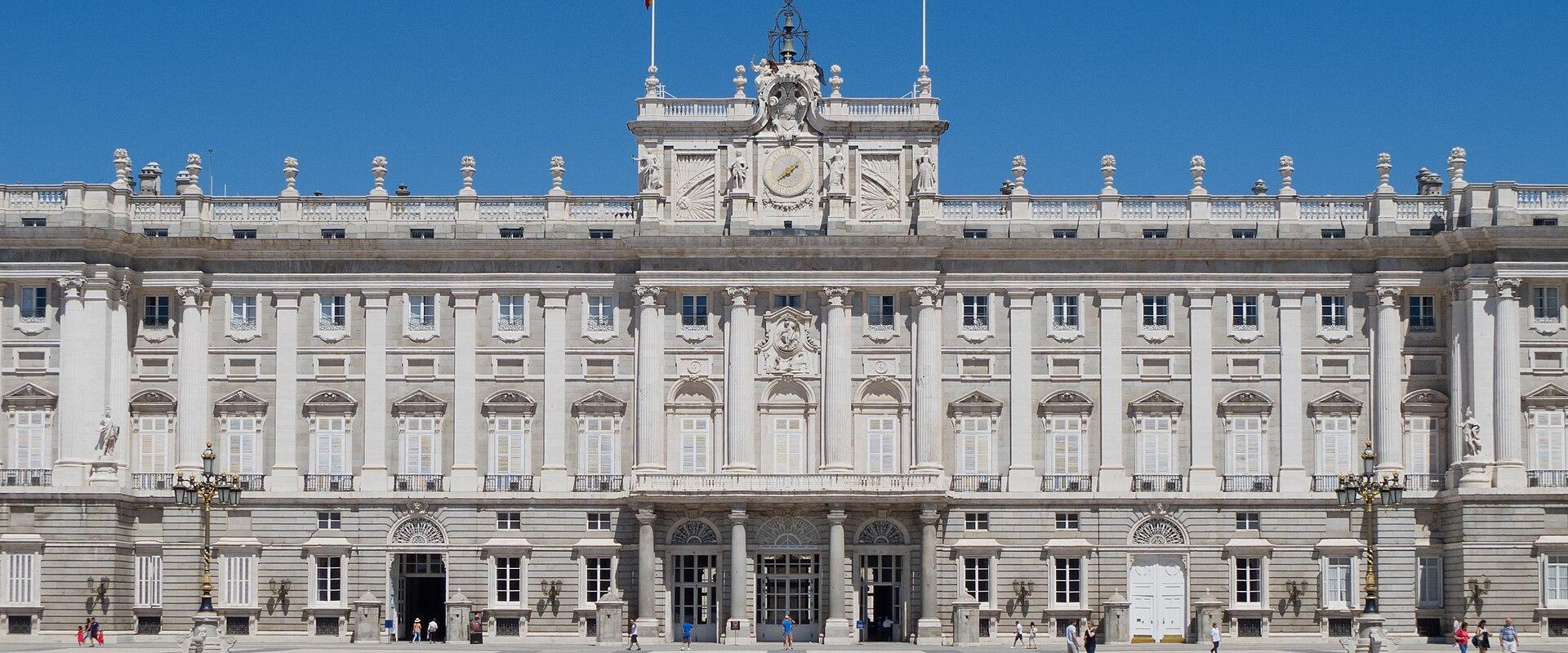
Madrid’s history is a testament to its rise from a modest medieval fortress to the grand capital of Spain. Originally established as a Moorish watchtower in the 9th century, the city was later conquered by Christian forces in the 11th century. Its transformation into a national capital occurred in 1561 when King Philip II moved the royal court from Toledo to Madrid, a decision that cemented its political and cultural dominance. This imperial legacy is visible in the city’s architecture, particularly in the Royal Palace and the grand boulevards designed during the Bourbon dynasty. The city’s cultural heritage is deeply rooted in the arts, having served as a muse for painters like Velázquez and Goya. Today, Madrid is recognized as a global center for art and culture, preserving its historical identity while embracing modernity.
Main Attractions
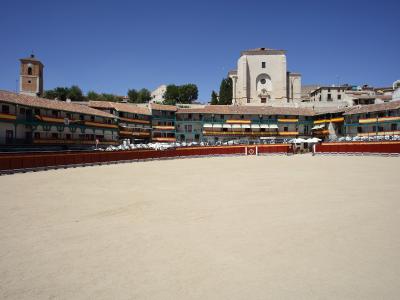
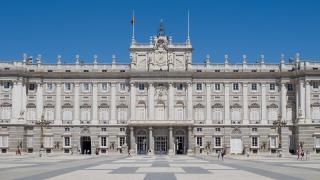
The heart of Madrid’s cultural scene is the "Golden Triangle of Art," comprising the Prado Museum, the Reina Sofía Museum, and the Thyssen-Bornemisza Museum. The Prado houses an unparalleled collection of European art, including masterpieces by Velázquez and Goya. The Reina Sofía is renowned for its modern art, most notably Picasso’s Guernica. The Thyssen-Bornemisza complements these with a diverse range of works from the Middle Ages to the 20th century. Beyond the museums, the Plaza Mayor, a grand square dating back to the 17th century, serves as a historic gathering place surrounded by vibrant cafes and the Baroque Church of San Pedro. The Royal Palace, the official residence of the Spanish Royal Family, offers a glimpse into the country’s monarchical past with its opulent interiors and extensive gardens.
Activities
Visitors to Madrid can engage in a variety of activities that reflect the city’s lively atmosphere. Strolling through the Retiro Park provides a peaceful escape, with its crystal-clear lake and lush gardens offering a perfect spot for relaxation. The city’s culinary scene is a major draw, with tapas bars and traditional restaurants serving local delicacies like jamón ibérico and cocido madrileño. Embracing the local lifestyle means dining late and enjoying the vibrant nightlife, which extends well into the early hours. Exploring the diverse neighborhoods, such as La Latina for its historic charm or Malasaña for its bohemian vibe, allows visitors to experience the authentic pulse of the city. Additionally, attending a flamenco performance offers a deep connection to Spain’s artistic traditions.
Getting There
Madrid is well-connected by air, rail, and road. Adolfo Suárez Madrid-Barajas Airport is one of Europe’s busiest hubs, offering direct flights from major cities worldwide. The city center is easily accessible via metro, bus, or taxi from the airport. For those traveling by train, Madrid is a central hub in Spain’s high-speed AVE network, with connections to Barcelona, Seville, and Valencia in just a few hours. The city’s extensive metro system is efficient and affordable, making it easy to navigate between attractions. Public transport is clean and reliable, providing a convenient way to explore the sprawling metropolis.
Best Time to Visit
The best time to visit Madrid is during the spring (April to June) and autumn (September to October) months. During these periods, the weather is mild and pleasant, with temperatures ranging from 15°C to 25°C, ideal for outdoor activities and sightseeing. The summer months can be extremely hot, with temperatures often exceeding 30°C, which may be uncomfortable for some travelers. The winter months are cooler but generally mild, with occasional frost. The shoulder seasons offer the best balance of comfortable weather and fewer crowds, allowing for a more enjoyable experience of the city’s outdoor attractions and cultural events.
Best time to visit
April to June and September to October offer mild, pleasant weather ideal for visiting.
What to see in Madrid
Our picks first.
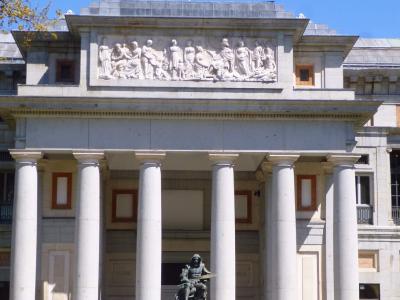
Museo del Prado
Museums & Culture · Art Museums
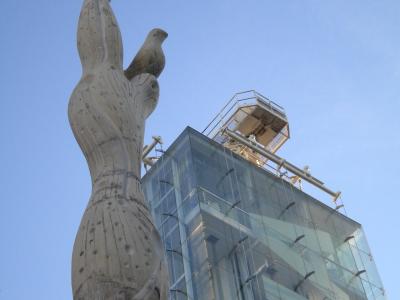
Reina Sofía Museum
From €12 Museums & Culture · Abstract Art
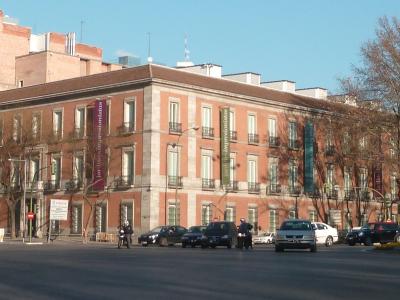
Thyssen-Bornemisza Museum
Museums & Culture
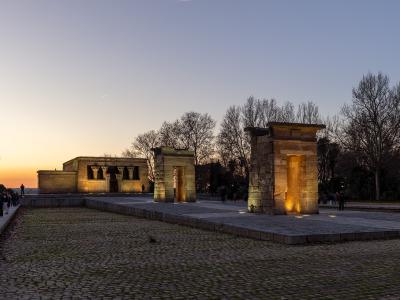
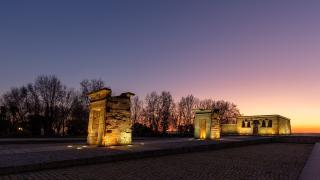
Temple of Debod
Historic Heritage · Museums & Culture
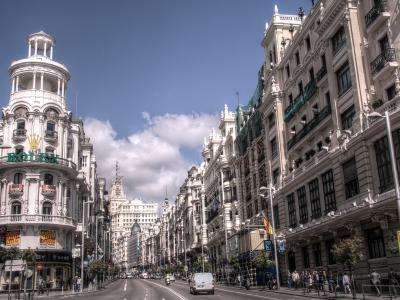
Gran Vía
City Centers · Historic Districts
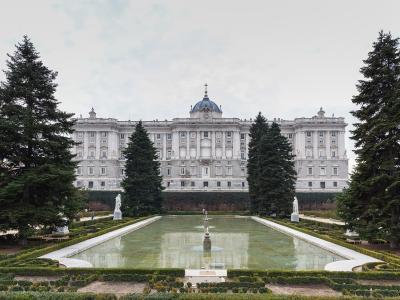
Royal Palace of Madrid (Palacio Real)
Architectural Heritage · City Centers
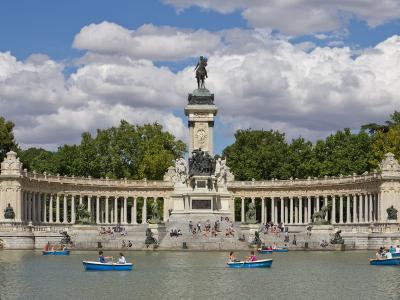
Retiro Park (Parque del Buen Retiro)
Free Cultural Events · Gardens
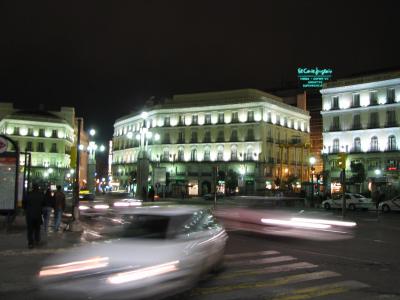
Puerta de Sol
Historic Heritage · City Centers
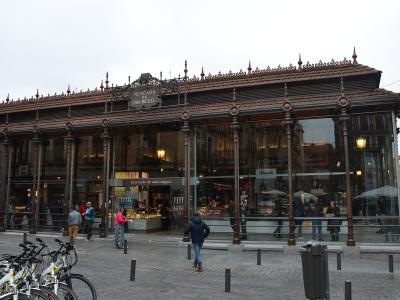
Mercado de San Miguel
Free Cultural Centers · Markets
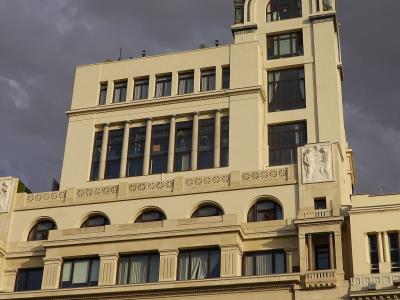
Círculo de Bellas Artes
Art Museums · Cultural Centers
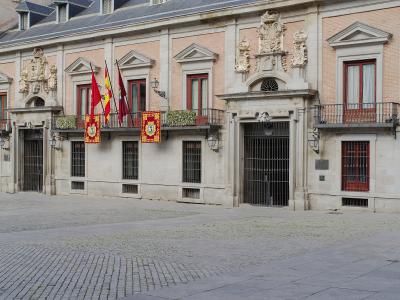
Casa de la Villa
City Centers · Historic Houses
Madrid by interest
The same sights, grouped by what you came for.
Did you know?
Checked facts about Madrid, each with its source.
-
Film & TV
Pedro Almodóvar’s 272 Locations
Director Pedro Almodóvar has a specific map of 272 locations in Madrid that he has used for his films, highlighting the city's deep integration into his cinematic work.
Source: www.hollywoodreporter.com -
Notable Person
Cervantes and the City
The famous author Miguel de Cervantes died in Madrid, cementing the city's status as a central hub for literary figures in Spanish history.
Source: pantheon.world
Planning a visit to Madrid
Itineraries that include Madrid
Good to know
- Currency
- EUR
- Language
- Spanish