


Understanding Spanish Lodging Types
Spain offers distinct accommodation categories beyond standard international chains. Paradores occupy historic buildings like castles or monasteries. These state-run hotels provide unique cultural immersion. Prices are moderate to high. Albergues are budget hostels for backpackers. Many require advance booking during peak seasons. Casas Rurales are rural country houses. They offer authentic local experiences in villages. Pensiones are small, family-run guesthouses. They provide basic, affordable rooms. Proprietors are often friendly and English-speaking. These options differ from large hotel chains. They emphasize local character over uniformity. Book early for popular destinations like Barcelona. Madrid and Seville also have limited availability. Flexibility helps adjust itineraries for spontaneous stays. Spanish hotels prioritize comfort and location. Research specific neighborhoods for best value. Avoid generic chains for authentic experiences. Local lodging supports regional economies directly. Prices vary by region and season. Rural areas offer lower costs. City centers remain premium locations. Always verify amenities before booking. This ensures a suitable stay. Spanish hospitality remains a key attraction. The local style defines the experience. Unique architecture enhances the overall visit. This approach ensures a memorable trip. Local character defines the unique appeal. Spanish culture is central to the stay. The local style defines the experience. Unique architecture enhances the overall visit. This approach ensures a memorable trip.
Regional Accommodation Profiles
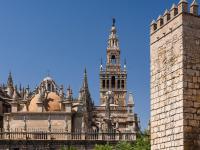
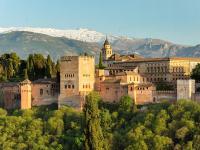
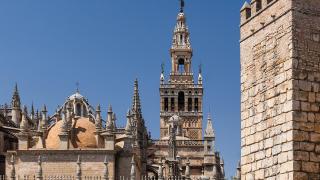
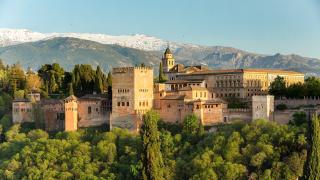
Madrid offers distinct neighborhood vibes for lodging. Stay in Malasaña for a youthful, artsy atmosphere. This area features boutique hotels near vibrant nightlife. Alternatively, choose Salamanca for upscale, quiet luxury. Barcelona provides varied district experiences. Eixample suits travelers seeking modernist architecture and central access. Gothic Quarter stays immerse you in historic stone streets. Andalusian cities benefit from historic center locations. Staying in Granada or Seville centers allows easy walking access to major monuments. You avoid long transit times to Alhambra or the Cathedral. The Basque Country presents coastal versus urban dynamics. San Sebastian offers beachfront apartments with mountain views. Urban lodging in Bilbao provides access to Guggenheim Museum and business districts. Mediterranean islands require specific coastal strategies. Mallorca and Ibiza favor beach resorts for summer relaxation. Urban centers like Palma offer cultural immersion and dining. Choose based on activity type. Coastal stays prioritize sea access. Urban stays prioritize transit and nightlife. Spanish proprietors generally speak English. Book family-run hotels in advance for best availability. Maintain itinerary flexibility for spontaneous local events.
Cost Structures and Budgeting
Accommodation costs in Spain vary by season and location. Budget travelers find hostels and basic hotels for €20 to €50 per night. Mid-range options, including family-run hotels, typically cost €80 to €150. Luxury stays, such as Paradores in historic castles, exceed €200 nightly. Prices surge during peak summer months and major holidays. Booking in advance secures better rates, especially in Barcelona and Madrid. Additional fees apply to most stays. Many cities impose a tourist tax, known as the impuesto de estancia. This fee ranges from €1 to €4 per person per night. It is usually paid directly to the hotel upon arrival. City taxes do not cover accommodation costs. They fund local infrastructure and cultural preservation. Always verify if taxes are included in the quoted price. Budget accordingly for these mandatory local charges. Flexible itineraries may offer lower rates during shoulder seasons.
Booking Strategies and Logistics
Prioritize public transport access when selecting lodging in historic centers. Many old towns restrict vehicle entry. Parking is scarce in urban areas like Madrid or Barcelona. Rural settings offer easier parking but require a car. Breakfast inclusion norms vary significantly across the country. Many budget hotels exclude breakfast from the base rate. Always verify meal inclusions during the booking process. Check-in procedures often start late, typically after 2:00 PM. This delay allows staff to clean rooms thoroughly. Plan arrival times to accommodate this standard wait. Spanish hotel staff are generally friendly and helpful. They can assist with local transport or dining tips. Book accommodations in advance for major cities. Flexibility is key for adjusting itineraries. Spontaneous opportunities may arise, but advance booking ensures availability. Consider family-run hotels for a more personal experience. These establishments often provide unique local insights. Always confirm specific check-in times before arrival. This prevents unnecessary waiting at the front desk. Clear logistics planning enhances the overall travel experience in Spain.