






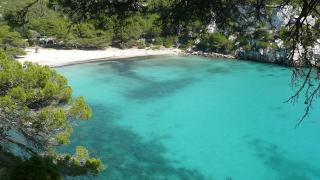

Spain offers extensive boat accommodation options along its diverse coastline. The Balearic Islands and Costa del Sol are primary hubs for maritime tourism. These regions host numerous marinas and designated mooring zones. Travelers must distinguish between protected marine reserves and open waters. Anchoring is strictly regulated in sensitive ecological areas. Casual anchoring is often prohibited to preserve marine habitats. Designated mooring zones provide safer and legal alternatives. Regulatory frameworks vary significantly between autonomous communities. Each region enforces its own specific boating laws. Marina stays offer secure berths with full amenities. Costs depend on location and season. Peak summer months see higher rates in popular ports. Open water anchoring requires careful navigation and permission. Always check local regulations before dropping anchor. Marina facilities include electricity, water, and waste disposal. These services ensure a comfortable and secure stay. Planning ahead is essential for a smooth experience. Understanding local rules ensures compliance and safety. Spanish maritime law prioritizes environmental protection. Respecting these regulations ensures a positive experience for all. Boat accommodation in Spain requires attention to detail. Proper preparation enhances the overall journey significantly.
Marina Infrastructure and Berths
Spanish marinas, or puertos deportivos, range from large complexes to small local harbors. These facilities provide essential infrastructure for boat accommodation. The infrastructure varies significantly by region and size. Major hubs like Balearic Islands offer extensive services. Smaller coastal towns may have limited, basic amenities. The infrastructure supports both transient and long-term needs. Transient visitors can utilize designated visitor berths. These spots are ideal for short stays. Long-term boaters often secure permanent or semi-permanent berths. Securing a long-term spot requires specific documentation. You must provide valid vessel registration documents. Proof of insurance is also a mandatory requirement. Spanish authorities require identification for all foreign vessels. The licencia de amarre is crucial for extended stays. This license formalizes your long-term mooring agreement. It is distinct from temporary visitor permits. Securing this license ensures legal compliance for long stays. The process involves specific administrative steps. You must verify local regulations before arrival. Each autonomous community may have slight variations in rules. Always check specific marina requirements in advance. This ensures a smooth and legal docking experience. The infrastructure supports the high volume of maritime traffic. Proper documentation is essential for a seamless stay.
Charter Options and Vessel Types
Spain offers two primary charter models for boat accommodation. The first is a bareboat charter. You rent the vessel without a crew. You must hold a valid license, such as the Spanish CAP or an international equivalent. This option requires significant boating experience. The second option is a crewed charter. A professional skipper and crew manage the vessel. This option suits travelers seeking relaxation without navigation duties. Both options require a security deposit. The cost varies by vessel type and season. Motor yachts provide speed and open-sea stability. Catamarans offer spacious decks and shallow draft access. These vessels suit the Balearic Islands' calm waters. Charter prices include the vessel and basic insurance. Additional costs typically cover fuel, mooring fees, and provisions. Provisions are rarely included in the base price. You must budget extra for food and beverages. Crewed charters include staff costs in the price. This option is significantly more expensive. It includes meals and service. Bareboat charters offer greater flexibility and lower costs. You are responsible for cleaning and refueling. Crewed charters provide a fully serviced experience. Choose based on your experience level and budget. Spanish maritime law strictly regulates charter operations. Ensure all documentation is current before departure.
Costs, Fees, and Budgeting
Marina fees in Spain vary significantly by region. Balearic Islands ports charge premium rates during summer. Costa del Sol marinas offer competitive pricing year-round. Base berth costs cover basic mooring and security. Additional mooring fees apply for larger vessels. Utility connections require separate payment for water and electricity. Cleaning services are often mandatory for hygiene standards. Security deposits protect against potential vessel damage. Tourist taxes apply to overnight stays in designated zones. Environmental levies support local marine conservation efforts. Charter costs include fuel consumption based on engine type. Provisions must be purchased at local Spanish markets. Skipper services add daily labor costs to the budget. Insurance premiums depend on vessel value and coverage level. Peak season rates typically double in July and August. Budget approximately fifty euros daily for basic marina fees. Luxury yachts incur higher dockage charges in prime locations. Always verify hidden costs before finalizing charter agreements. Local port authorities enforce strict fee collection policies. Plan for extra funds to cover unexpected marina charges. Spanish regulations require clear documentation for all fees. Budgeting accurately prevents financial surprises during your trip. Consider off-season travel to reduce overall accommodation costs. Local taxes may vary by autonomous community. Always check current rates before booking your stay.
Safety Protocols and Regulations
Spanish law mandates specific safety equipment for all charter vessels. Crew members must verify this gear before departure. Standard kits include life jackets, flares, and fire extinguishers. Vessels must also carry valid registration documents. Anchoring regulations strictly protect marine environments. Boaters must anchor in designated zones only. Anchoring in seagrass beds is strictly prohibited. Local authorities enforce these rules to protect ecosystems. Weather conditions change rapidly in the Mediterranean. Always monitor local weather forecasts before setting out. Emergency procedures require immediate contact with authorities. Dial 112 for all maritime emergencies in Spain. This number connects to coast guard services directly. Marina security protocols vary by location. Many marinas require key card access for entry. Security personnel may conduct random identity checks. Boaters must display valid identification at all times. Noise ordinances are strictly enforced in residential marinas. Quiet hours typically begin at 10:00 PM. Excessive noise can result in immediate fines. Always respect local noise regulations to avoid penalties. Compliance ensures a safe and peaceful experience for all boaters in Spanish waters.