
History and Cultural Heritage
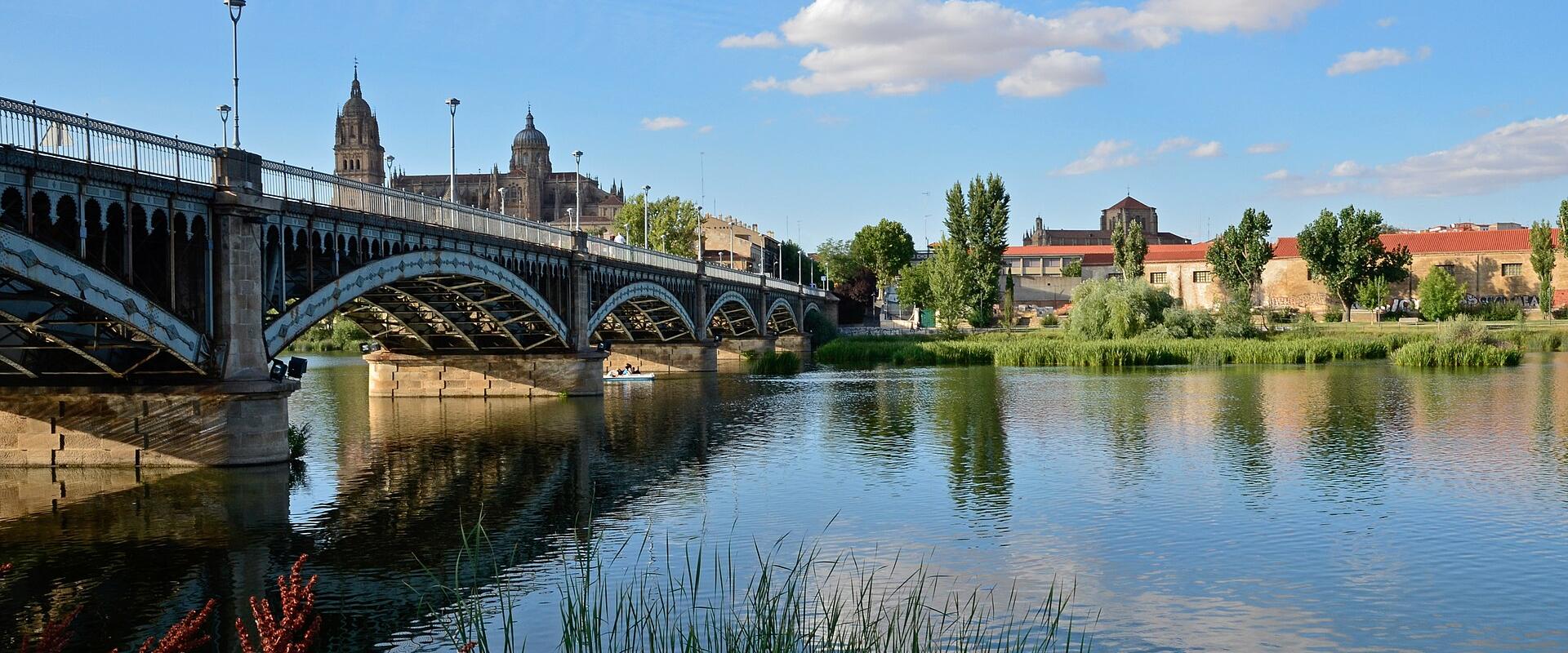
Salamanca’s history is a tapestry woven from ancient roots and intellectual ambition. The city’s origins are rooted in the Roman era, with the ancient bridge over the Tormes River serving as a testament to its early strategic importance. Following the Roman period, the region saw various influences, including the Moors, before being reclaimed by Christian forces in the 11th century. This historical layering is most evident in the city’s architecture, which blends Romanesque, Gothic, Renaissance, and Baroque styles. The establishment of the University of Salamanca in 1218 marked a turning point, transforming the city into a major center of learning and culture. This academic heritage has shaped the city’s identity for centuries, fostering an environment of intellectual exchange and cultural richness that defines the local character.
Main Attractions
The visual identity of Salamanca is defined by its golden stone, which glows with a warm, amber hue during sunrise and sunset. The Plaza Mayor, the heart of the city, is a masterpiece of Baroque architecture, featuring intricate facades and a grand square that serves as a gathering place for locals and visitors alike. The Old Cathedral, with its intricate stone carvings, stands as a testament to the Gothic style, while the New Cathedral, built later, showcases the grandeur of the Baroque era. The New Cathedral’s interior is adorned with intricate details, including the famous "Salamanca Cross" and the intricate stonework that characterizes the region’s artistic heritage. These landmarks are not just architectural marvels but are integral to the city’s cultural identity, offering a glimpse into its rich history.
Activities
Visitors to Salamanca can engage in a variety of activities that highlight the city’s cultural and academic heritage. Walking through the historic center is a must, allowing visitors to appreciate the intricate details of the architecture and the vibrant atmosphere of the streets. The University of Salamanca offers a unique experience, with its historic buildings and academic traditions. Visitors can also explore the local museums, which offer insights into the region’s history and artistic heritage. For those interested in local cuisine, the city’s tapas bars offer a taste of traditional Castilian dishes, providing a sensory experience that complements the visual beauty of the city.
Getting There
Salamanca is well-connected by rail, with regular train services connecting the city to major Spanish cities such as Madrid, Barcelona, and Seville. The train station, located in the city center, is easily accessible and offers a convenient way to reach the city. For those traveling by car, the A-62 highway provides easy access to Salamanca, with clear signage and well-maintained roads. Public transport within the city is efficient, with a network of buses that connect major attractions. The combination of rail and road access makes Salamanca an accessible destination for travelers from across Spain and beyond.
Best Time to Visit
The best time to visit Salamanca is during the spring (April to June) and autumn (September to October) months. During these periods, the weather is mild and pleasant, with comfortable temperatures ideal for exploring the city’s historic sites. The summer months can be hot, with high temperatures that may be uncomfortable for outdoor activities. The winter months are cooler, but the city retains its charm, with fewer crowds. The ideal time to visit is during the shoulder seasons, when the weather is pleasant and the crowds are smaller, allowing for a more relaxed and immersive experience.
Best time to visit
May through September offers warm, sunny weather ideal for exploring the city.
What to see in Salamanca
Our picks first.
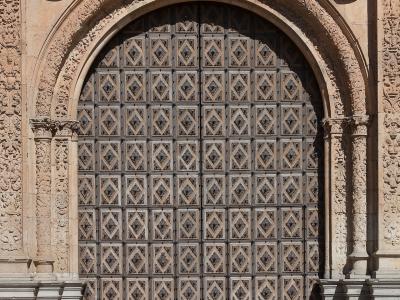
Convento de San Esteban
Historic Heritage · Museums & Culture
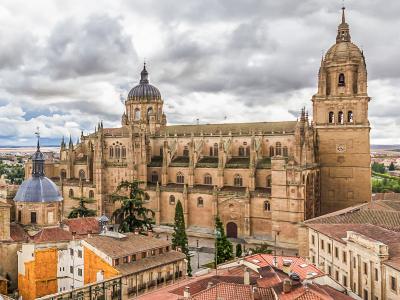
New Cathedral of Salamanca (Catedral Nueva)
Architectural Heritage · Cathedrals
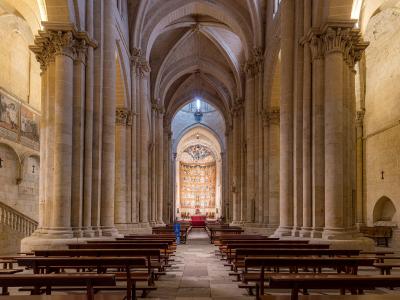
Old Cathedral of Salamanca (Catedral Vieja)
Architectural Heritage · Cathedrals
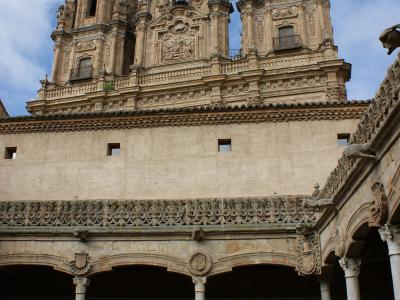
University of Salamanca
Architectural Heritage · Educational Sites
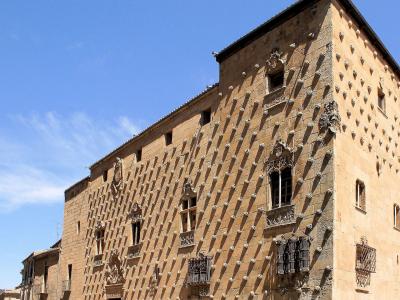
Casa de las Conchas
Late-Gothic palace with a shell-covered facade in central Salamanca
Free Historic Heritage · Museums & Culture
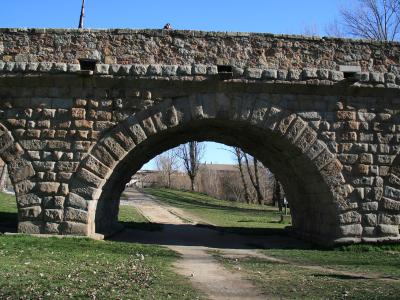
Puente Romano
Free Historic Heritage · Architectural Heritage
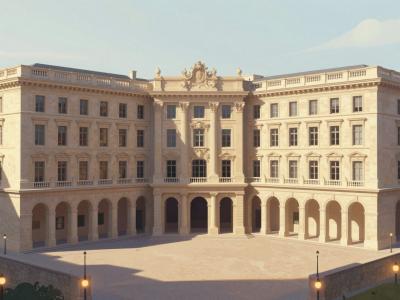
Mercado Mayor
Free Architectural Heritage · Markets
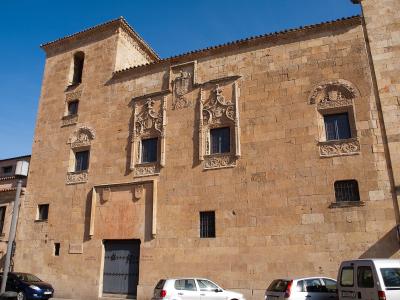
Museo de Salamanca
Archaeological Museums · Art Museums
Salamanca by interest
The same sights, grouped by what you came for.
Did you know?
Checked facts about Salamanca, each with its source.
-
History
First Grammar of Spanish
In 1492, Antonio de Nebrija published the 'Gramática de la lengua castellana,' the first published grammar for a modern European language, marking a significant milestone in the standardization of the Spanish language.
Source: en.wikipedia.org
Planning a visit to Salamanca
Itineraries that include Salamanca
Good to know
- Currency
- EUR
- Language
- Spanish
Quick Facts
Book your stay
Questions people ask
More places in Castile and León
Castile and León
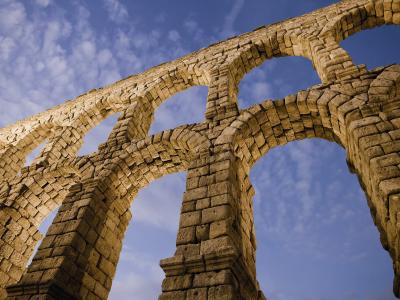
Segovia
Castilian city with Roman aqueduct and fairy-t castle
Castile and León
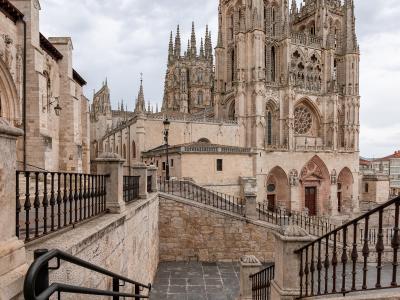
Burgos
Medieval cathedral city on the Camino de Santiago
Castile and León
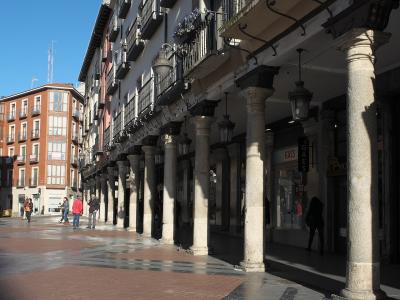
Valladolid
Castilian university city with historicist architecture
Castile and León
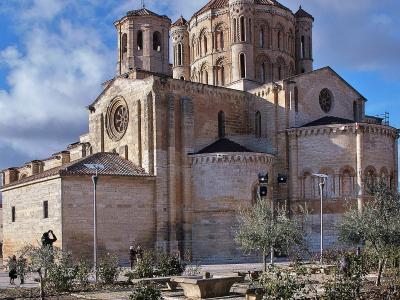
Toro
Golden Romanesque town above the Duero, famous for its collegiate church and red wine