
History and Cultural Heritage
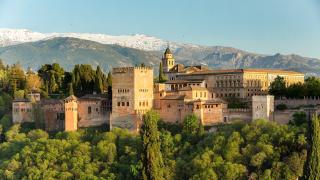
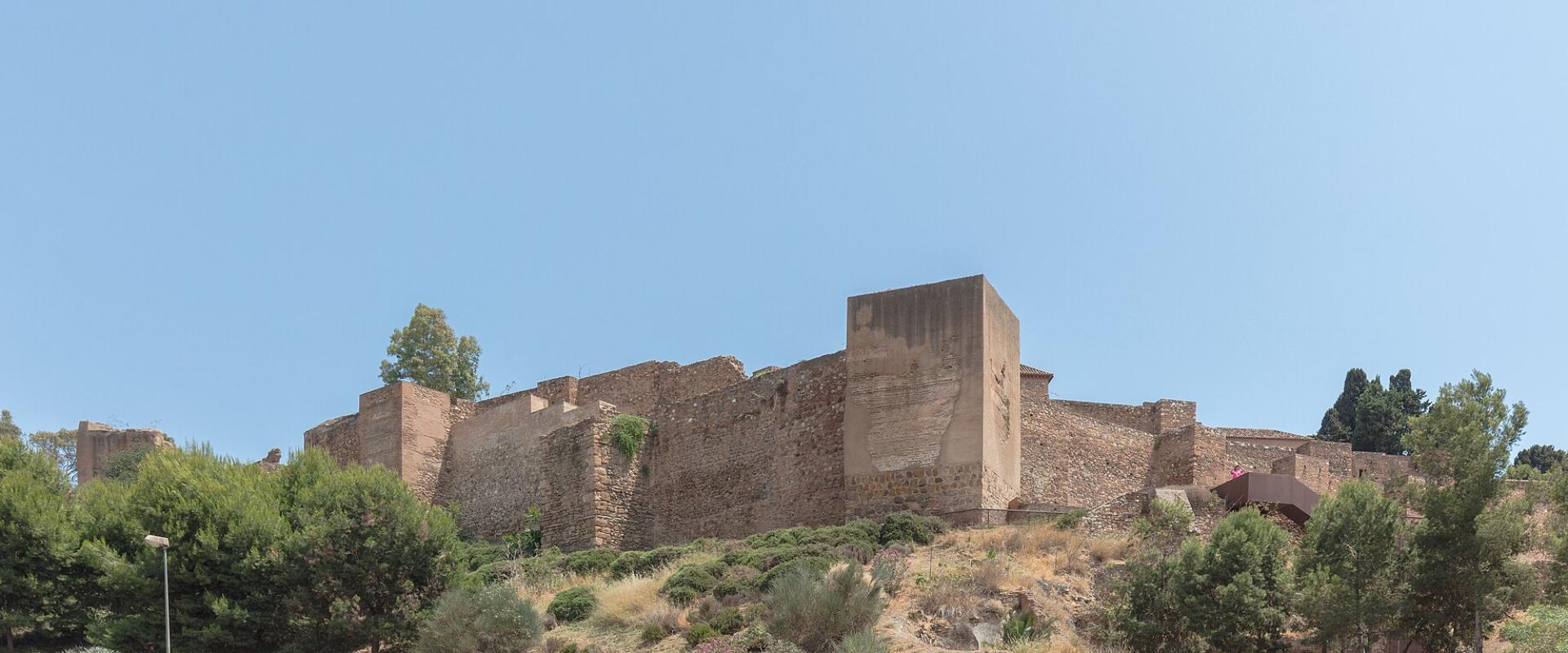
Malaga’s history is a rich tapestry woven from the threads of various civilizations, making it one of the oldest continuously inhabited cities in the world. The city’s strategic location on the Mediterranean coast has made it a crossroads for cultures, including the Phoenicians, who founded the settlement of Malaka around the 8th century BC. This ancient heritage is deeply embedded in the local identity, with the name "Malaga" itself derived from the Phoenician Malaka. Throughout the centuries, the city has been influenced by the Romans, Visigoths, and the Moors, each leaving an indelible mark on its architecture and culture. The Alcazaba, a formidable Moorish fortress, stands as a testament to this Islamic heritage, while the nearby cathedral, known as the "Mano de Pedro," reflects the grandeur of the Renaissance. This blend of historical layers creates a unique atmosphere, where the past is not just remembered but is an integral part of the city’s current identity.
Main Attractions
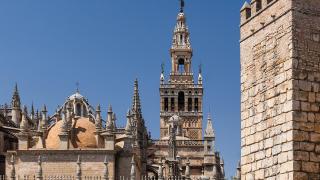
The historic center of Malaga is a treasure trove of cultural landmarks. The Alcazaba, a fortified palace complex, offers stunning views of the city and the Mediterranean, showcasing intricate Moorish architecture. Adjacent to it, the Gibralfaro Castle provides a panoramic view of the bay, serving as a reminder of the city’s strategic importance in history. The Cathedral, known locally as the "Mano de Dios" (Hand of God) due to its single, off-center bell tower, is a striking example of Renaissance architecture. Beyond these major sites, the city’s museums, such as the Picasso Museum, housed in a 16th-century palace, offer deep insights into the artistic heritage of the region. These attractions are not just tourist spots but are integral to the cultural fabric of the city, offering a profound connection to its history.
Activities
Malaga offers a diverse range of activities that cater to different interests. For those seeking relaxation, the city’s beaches, such as Malagueta and Pedregalejo, provide pristine sands and clear waters, perfect for sunbathing and swimming. The vibrant street life in the historic center offers a different kind of experience, with narrow streets lined with tapas bars and boutiques. Visitors can explore the local markets, such as the Atarazanas Market, to sample local delicacies and experience the local way of life. For those interested in art, the city’s many museums offer a deep dive into local and international art. The combination of cultural exploration and leisure activities makes Malaga a versatile destination, suitable for a wide range of interests.
Getting There
Malaga is easily accessible via Malaga-Costa del Sol Airport, which is one of the busiest airports in Spain. The airport is well-connected to major European cities, with frequent flights from various European hubs. From the airport, visitors can take a taxi or the C1 train line to reach the city center, a journey that takes approximately 30 minutes. The train line is efficient and affordable, offering a convenient way to travel between the airport and the city. For those arriving by car, the A-7 highway provides easy access to the city, with clear signage and well-maintained roads. The city’s central location and excellent transport links make it a convenient base for exploring the surrounding region.
Best Time to Visit
The best time to visit Malaga is during the spring (April to June) and autumn (September to October) months, when the weather is mild and pleasant. The summer months can be hot and crowded, with high temperatures and a large number of tourists. The winter months are mild, making it a comfortable time to visit for those who prefer cooler weather. The ideal time to visit depends on personal preference, but the spring and autumn months offer the best balance of weather and fewer crowds, allowing for a more relaxed and enjoyable experience.
Best time to visit
May through September offers warm, sunny weather ideal for beach activities and sightseeing.
What to see in Málaga
Our picks first.
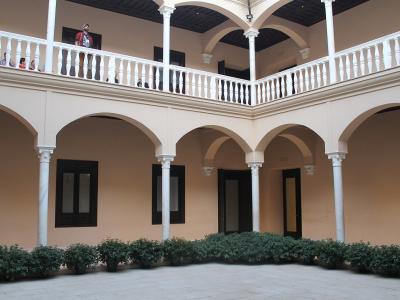
Picasso Museum Málaga
Historic Heritage · Museums & Culture
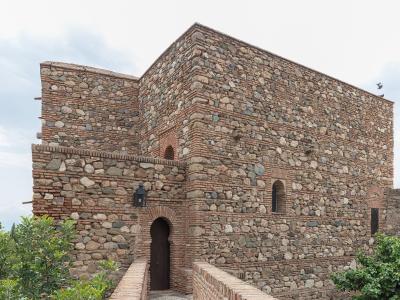
Alcazaba of Málaga
Castles · Gardens
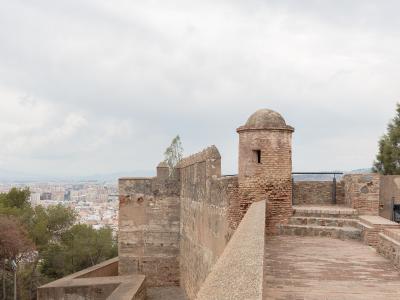
Gibralfaro Castle
Castles · Coastal Views
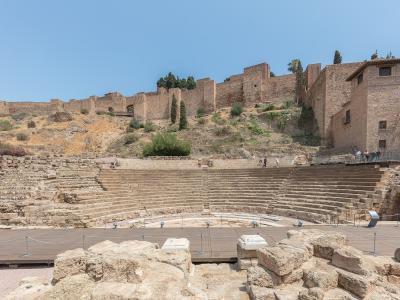
Roman Theatre of Málaga
Free Ancient Ruins · Archaeological Museums

Centro Pompidou Málaga
From €5.50 Art Museums · Urban Landmarks

Teatro del Soho
Museums & Culture · Urban Exploration
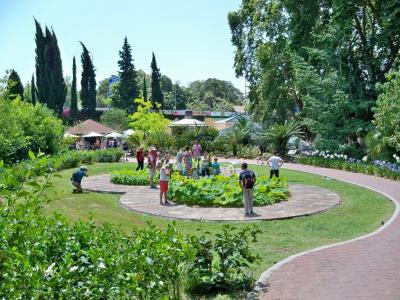
Jardín Botánico-Histórico La Concepción
Historic Heritage · Gardens
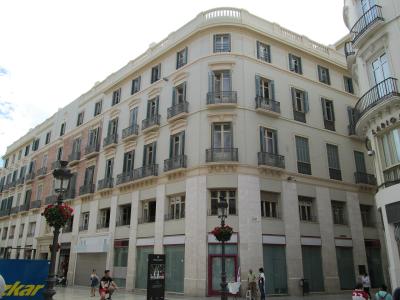
Calle Larios
Architectural Heritage · City Centers
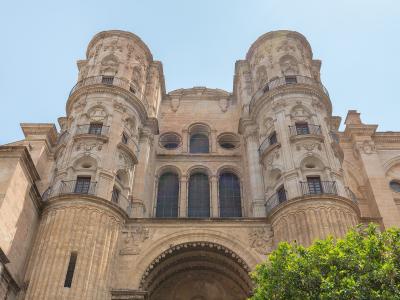
Málaga Cathedral
From €6 Architectural Heritage · Cathedrals
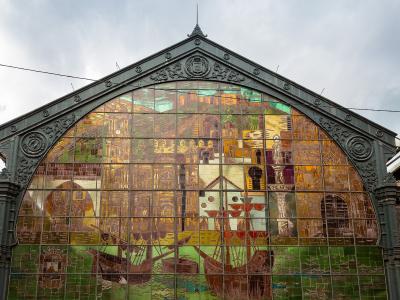
Mercado de Atarazanas
Free Museums & Culture · Urban Exploration
Málaga by interest
The same sights, grouped by what you came for.
Did you know?
Checked facts about Málaga, each with its source.
-
History
The Siege That Starved the City
In 1487, during the final stages of the Reconquista, the city of Málaga endured a long siege by Christian forces. The siege was so intense that it forced the city's surrender, with residents dying of hunger as the blockade took its toll.
Source: www.malaga.es
Planning a visit to Málaga
Itineraries that include Málaga
Good to know
- Currency
- EUR
- Language
- Spanish