History
Bilbao’s history is a testament to resilience and transformation. Originally founded as a small fishing village, it grew into a major industrial hub due to its strategic location on the Nervión River. The 19th and early 20th centuries saw Bilbao thrive as a center for shipbuilding, steel production, and mining, attracting workers from across Spain. This industrial boom left a mark on the city’s architecture and social fabric. However, the decline of heavy industry in the late 20th century prompted a radical reinvention. The opening of the Guggenheim Museum in 1997 marked the beginning of Bilbao’s cultural renaissance, transforming it from a gritty industrial port into a sophisticated global destination. This shift preserved the city’s industrial heritage while embracing modernity, creating a unique blend of old and new that defines its current identity.
Main Attractions
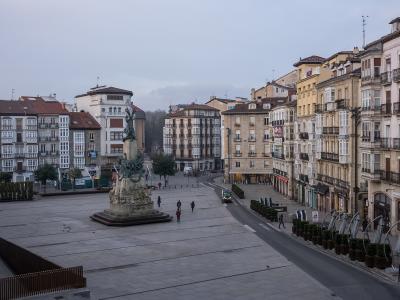
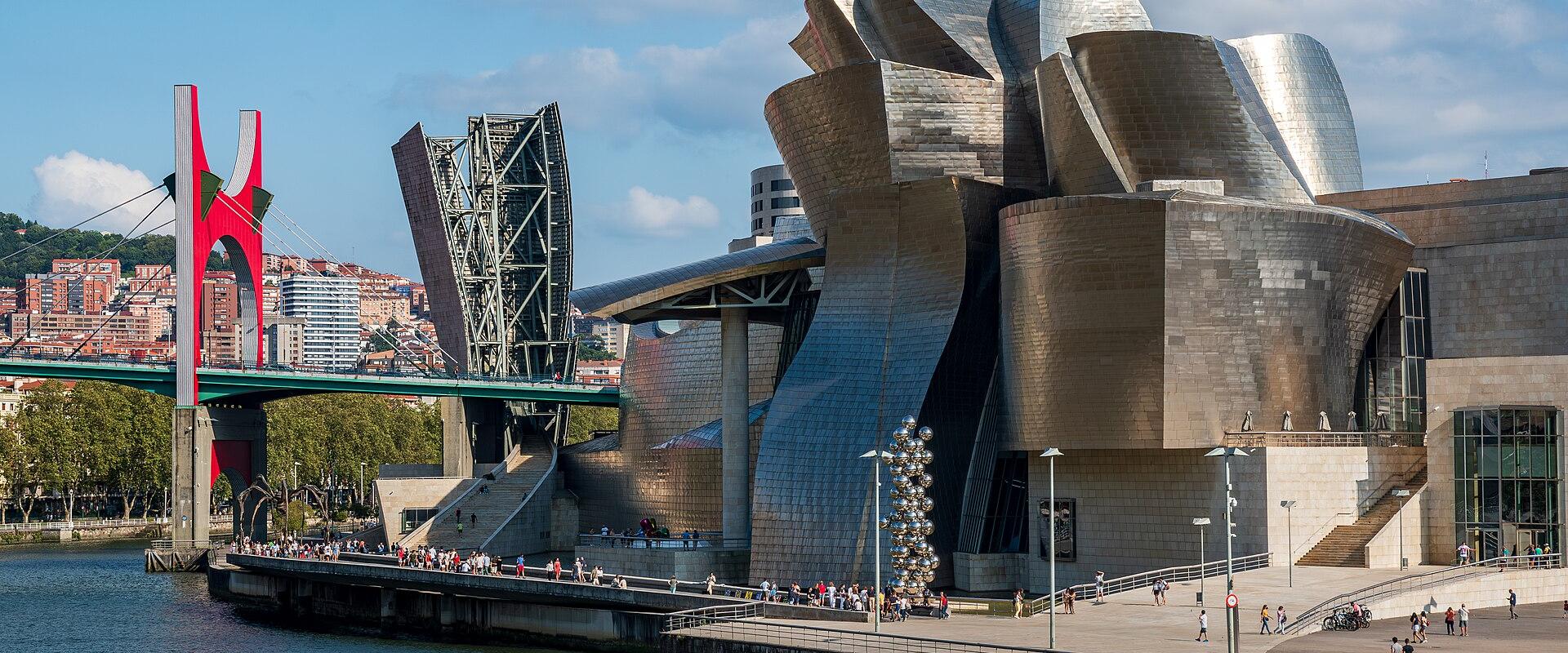
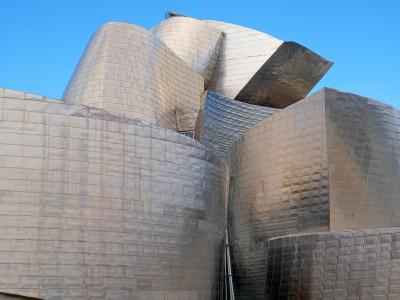
The primary attraction in Bilbao is the Guggenheim Museum, a masterpiece of contemporary architecture designed by Frank Gehry. Its titanium-clad curves reflect the river and sky, serving as an iconic symbol of the city’s renewal. Adjacent to the museum, the urban landscape is dotted with large-scale sculptures, including Jeff Koons’ Puppy and Louise Bourgeois’ Maman. The historic center, or Casco Viejo, offers a stark contrast with its narrow medieval streets, Gothic architecture, and traditional pintxos bars. The Plaza Nueva is the heart of this area, surrounded by elegant 19th-century buildings. Another key landmark is the San Mamés Stadium, known as "The Cathedral," which is a pilgrimage site for football fans. The Artxanda Funicular provides panoramic views of the city and the surrounding mountains, offering a different perspective on Bilbao’s layout.
Activities
Visitors to Bilbao can engage in a variety of activities that highlight its cultural and culinary richness. Exploring the Casco Viejo is a must, with its lively bars offering traditional Basque cuisine. The city is renowned for its pintxos culture, where visitors hop from bar to bar sampling small, creative dishes. For art enthusiasts, the Guggenheim Museum houses an extensive collection of modern and contemporary art. The city also boasts a vibrant street art scene, with murals and installations scattered throughout the urban area. Outdoor activities include kayaking on the Nervión River or taking a walk along the riverbanks. The nearby Basque countryside offers opportunities for hiking and wine tasting in the Rioja Alavesa region, making Bilbao an ideal base for exploring the wider area.
Getting There
Bilbao is well-connected by air, rail, and road. Bilbao Airport (BIO) is located about 16 kilometers from the city center, with regular flights from major European cities. The airport is easily accessible by bus or taxi. The city is also served by the Renfe rail network, with high-speed trains connecting Bilbao to Madrid, Barcelona, and San Sebastian. The train station is centrally located, providing convenient access to the historic center. For those traveling by car, the AP-8 highway connects Bilbao to San Sebastian and the French border, while the A-8 links it to Santander and the rest of Spain. Public transportation within the city is efficient, with a metro system, buses, and trams facilitating easy movement.
Best Time to Visit
The best time to visit Bilbao is during the spring (April to June) and autumn (September to October) months. During these periods, the weather is mild and pleasant, with comfortable temperatures ideal for exploring the city on foot. The summer months can be warm and humid, while the winter months are cool and rainy, typical of the Basque Country’s oceanic climate. Visiting in the shoulder seasons allows for a more relaxed experience, with fewer crowds and lower accommodation prices. It is advisable to check the weather forecast before traveling and to book accommodation in advance, especially during peak tourist seasons or major events like the San Sebastian Film Festival nearby.
Best time to visit
June through September offers the warmest, driest weather ideal for exploring the city.
What to see in Bilbao
Our picks first.
Guggenheim Museum Bilbao
From €9 Abstract Art · Architectural Heritage
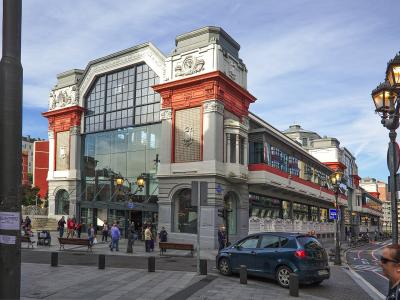
Mercado de la Ribera
Architectural Heritage · Historic Districts
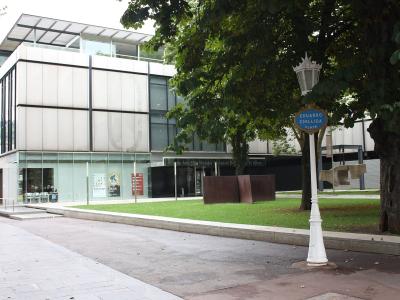
Bilbao Fine Arts Museum
Free Art Museums · Cultural Centers
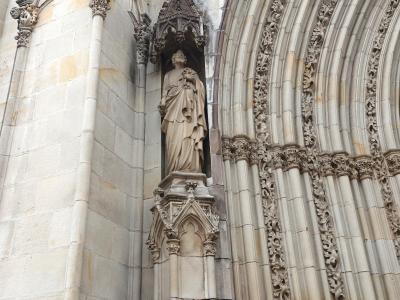
Bilbao Cathedral
Historic Heritage · Urban Exploration
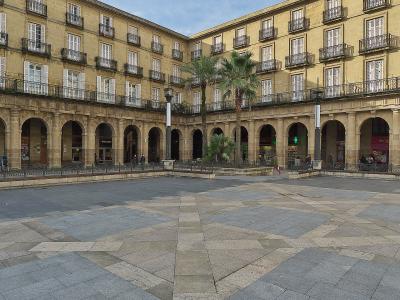
Plaza Nueva
Free Architectural Heritage · Historic Districts
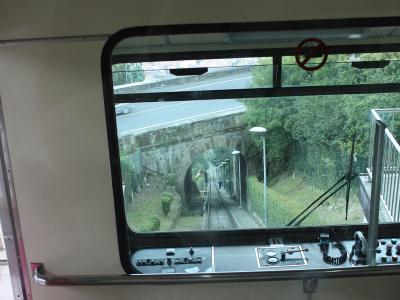
Artxanda Funicular
Natural Parks · Transport Experiences
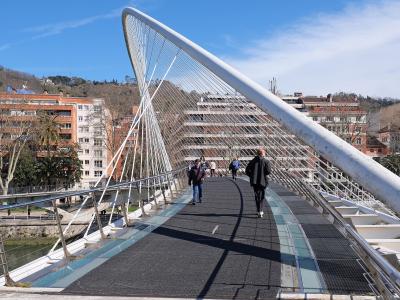
Zubizuri Bridge
Free Museums & Culture · Urban Exploration
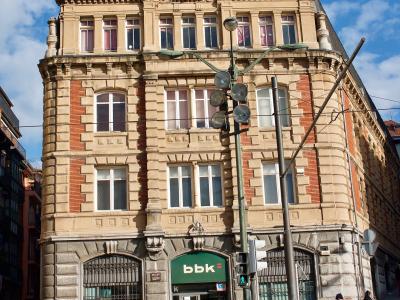
Casco Viejo (Old Town)
Architectural Heritage · City Centers
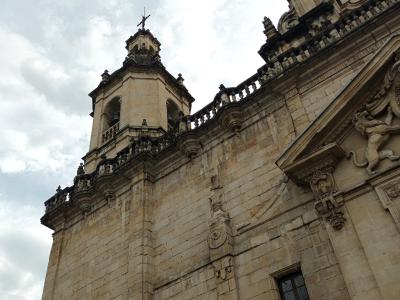
San Nicolás Church
Historic Churches · Religious Sites
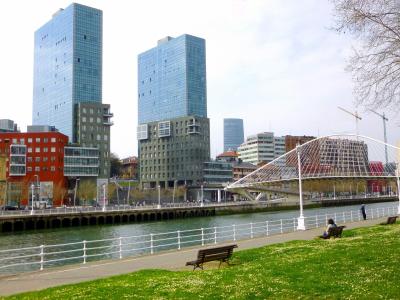
Abandoibarra Waterfront
Free Coastal & Beaches · Urban Exploration
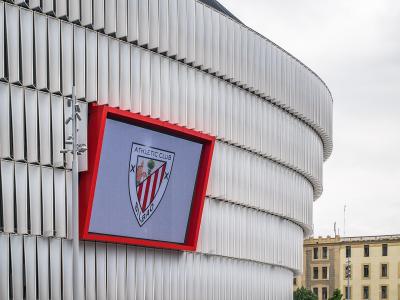
San Mamés Stadium
From €16.50 Architectural Heritage · Sports Venues
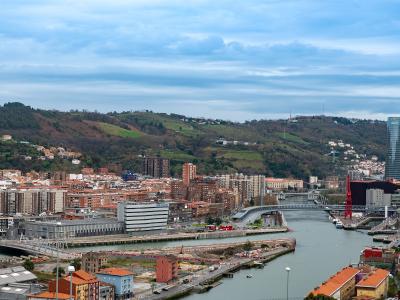
Zorrotzaurre Island
Bridges · Islands
Bilbao by interest
The same sights, grouped by what you came for.
Did you know?
Checked facts about Bilbao, each with its source.
-
Film & TV
Game of Thrones in the Basque Country
The series Game of Thrones utilized the Basque Country for filming, specifically using the island of San Juan de Gaztelugatxe to represent Dragonstone in season seven.
Source: gameofthronestours.com
Planning a visit to Bilbao
Itineraries that include Bilbao
Good to know
- Currency
- EUR
- Language
- Spanish