
Gran Canaria
Volcanic island with diverse landscapes and iconic rock formations
History
Gran Canaria’s history is a rich tapestry woven from ancient roots and colonial influences. The earliest inhabitants, known as the Guanches, arrived from North Africa around 500 B.C., leaving behind a legacy of rock art and burial sites that dot the island. Their culture was deeply spiritual, with sacred sites like Roque Nublo serving as centers for ritual and community gathering. Following the Spanish conquest in the late 15th century, the island became a crucial stopover for ships traveling to the Americas, shaping its architectural and cultural landscape. This period of exploration and trade introduced new crops, religions, and traditions, blending with indigenous practices to create a unique Canarian identity. Today, this heritage is preserved in the island’s historic towns, museums, and annual festivals, such as Carnival, which celebrates the island’s vibrant spirit and diverse origins.
Main Attractions
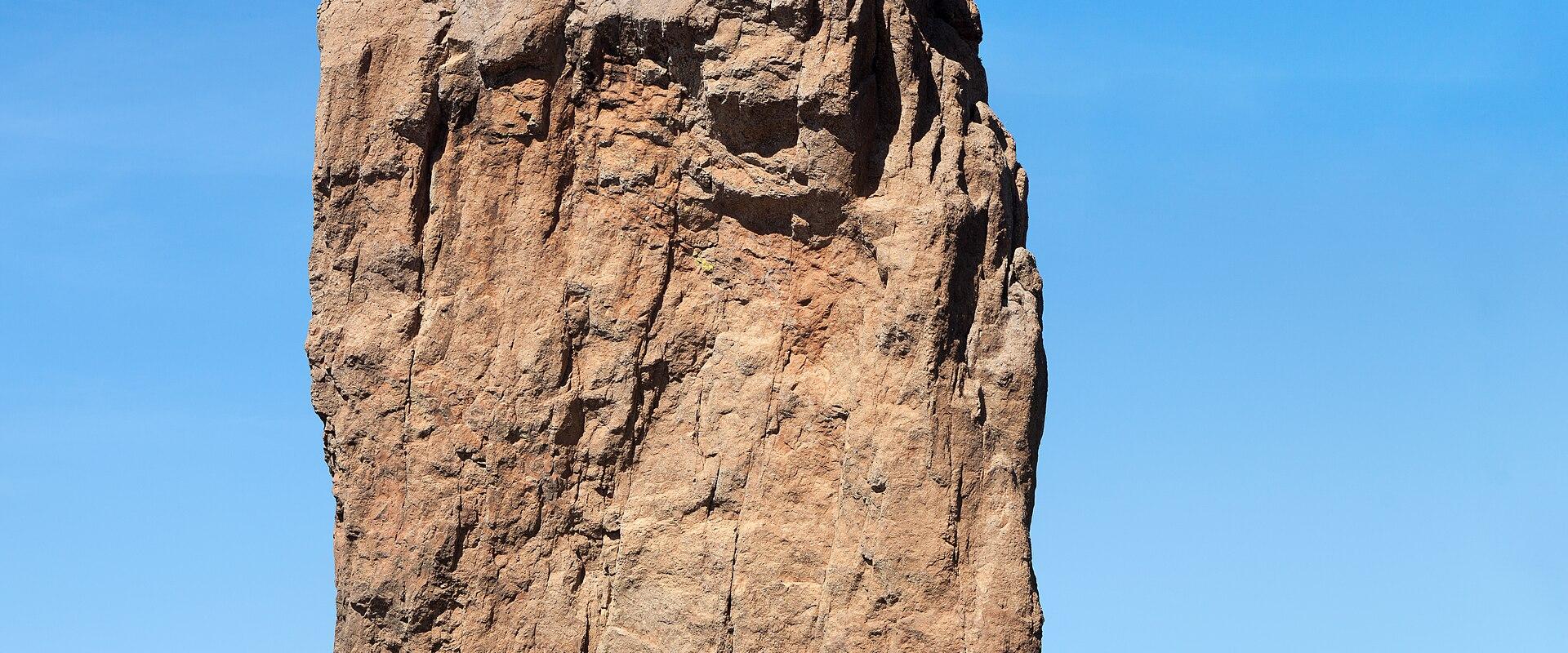
The island’s most iconic landmark is Roque Nublo, an 80-meter-tall volcanic rock formation that rises dramatically from the landscape. Standing at 1,803 meters above sea level, it offers panoramic views that stretch across the island and, on clear days, to the Teide volcano on Tenerife. Another must-see is the Maspalomas Dunes, a vast nature reserve of golden sand dunes that resemble a desert landscape. This protected area provides a stark contrast to the island’s lush interior and is a haven for birdwatchers and nature lovers. The capital, Las Palmas, is home to the Vegueta district, a historic neighborhood with narrow streets, colonial architecture, and the stunning Santa Ana Cathedral. The island’s natural beauty is further highlighted by the Gran Canaria Blue Nature World Biosphere Reserve, which encompasses diverse ecosystems from coastal cliffs to high-altitude pine forests.
Activities
Gran Canaria offers a wide range of activities for visitors of all interests. The island is a premier destination for hiking, with well-marked trails leading through volcanic craters, pine woods, and coastal paths. The GR131 long-distance trail is a popular choice for experienced hikers, while shorter walks offer access to hidden beaches and scenic viewpoints. Water sports are equally popular, with surfing, diving, and windsurfing attracting enthusiasts to the island’s consistent waves and clear waters. The natural pools of Puerto de Mogán provide safe swimming conditions, while the Maspalomas Lighthouse offers a serene spot for sunset viewing. For those interested in culture, visiting local markets and artisan workshops provides insight into traditional crafts like pottery and weaving. The island’s culinary scene is also a highlight, with fresh seafood and local wines available in numerous restaurants and taverns.
Getting There
Gran Canaria is accessible via Gran Canaria Airport (LPA), which serves as a major hub for international flights. The airport features one terminal with separate check-in and boarding zones, making navigation straightforward. Direct flights operate from major European cities, including London, Berlin, Paris, and Madrid, with frequencies varying by season. Upon arrival, visitors can reach various parts of the island via public bus services. Route 60 connects the airport to Las Palmas, while other routes serve popular tourist areas like Playa del Inglés, Maspalomas, and Puerto Rico. For greater flexibility, renting a car is highly recommended, allowing visitors to explore the island’s diverse landscapes at their own pace. The island is small enough to circumnavigate in a day, but a vehicle significantly enhances the experience by providing access to remote villages and scenic routes.
Best Time to Visit
Gran Canaria enjoys a mild, subtropical climate year-round, making it a viable destination for any time of the year. The peak tourist season runs from June to September, when temperatures are warm and sunny, ideal for beach activities. However, May, September, and October offer pleasant weather with fewer crowds, making them excellent alternatives for those seeking a more relaxed experience. Winter months are also mild, with average temperatures around 20°C, perfect for hiking and exploring the interior. The island’s microclimates mean that weather can vary significantly between the north and south, so visitors are advised to check local forecasts. A stay of seven to ten days is recommended to fully explore the island’s diverse attractions, from its coastal beaches to its mountainous interior.
Best time to visit
April to October offers warm, pleasant weather ideal for beach activities and outdoor exploration.
What to see in Gran Canaria
Our picks first.
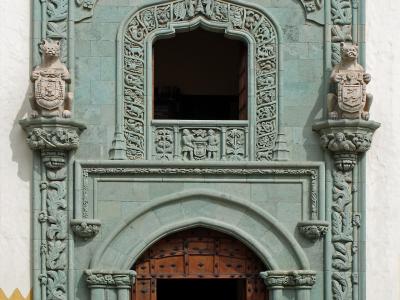
Casa de Colón
Atlantic-history museum in the historic Vegueta district
Cultural Centers · Historic Houses
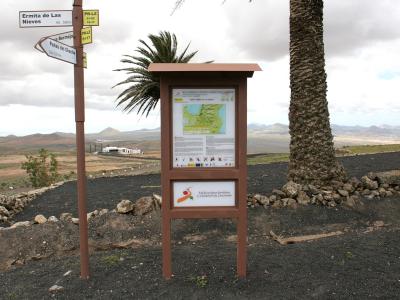
Puerto de las Nieves (El Caño)
Coastal Views · Historic Towns
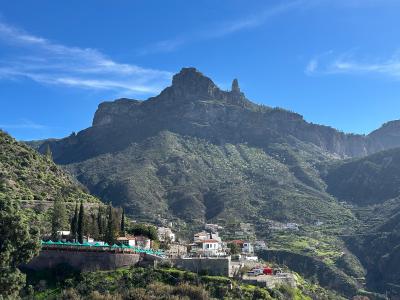
Roque Nublo
80m monolith in Gran Canaria's interior
Geological Sites · Hiking Trails
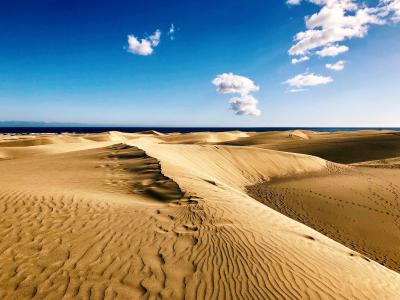
Maspalomas Dunes (Dunas de Maspalomas)
400-hectare nature reserve in Gran Canaria
Free Geological Sites · Hiking Trails
Gran Canaria by interest
The same sights, grouped by what you came for.
Did you know?
Checked facts about Gran Canaria, each with its source.
-
Film & TV
Moby Dick Filmed in Gran Canaria
The 1956 film adaptation of Moby Dick, starring Gregory Peck, was filmed on the island of Gran Canaria, utilizing the local landscape to stand in for the oceanic setting of Herman Melville's classic novel.
Source: moviescene.com
Planning a visit to Gran Canaria
Itineraries that include Gran Canaria
Good to know
- Currency
- EUR
- Language
- Spanish
Quick Facts
Book your stay
Questions people ask
More places in Canary Islands
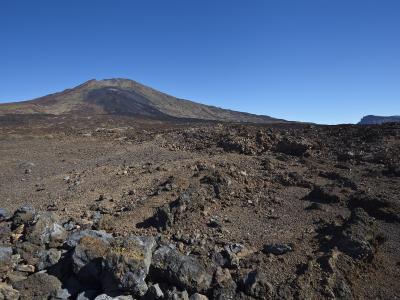
Canary Islands
Tenerife
Volcanic island with Spain's highest peak
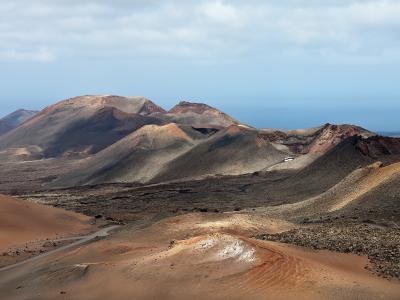
Canary Islands
Lanzarote
Volcanic island with unique landscapes and protected natural parks
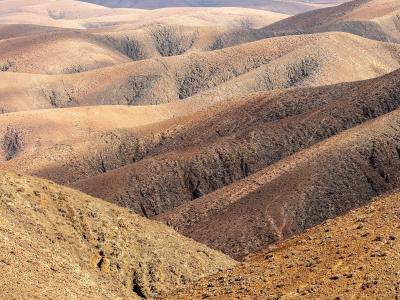
Canary Islands
Fuerteventura
Canary Island with vast sand dunes and surfing
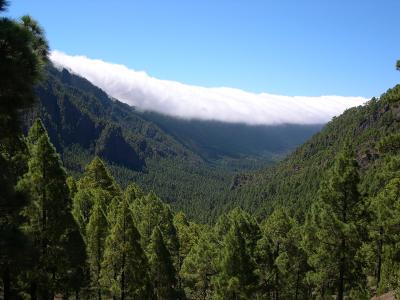
Canary Islands
La Palma
Biosphere reserve with volcanic peaks and laurel forests