The Catholic Foundation and Secular Reality
Spain operates as a secular state. The government does not fund religious administration directly. Catholicism remains the dominant cultural foundation. This historical presence shapes national identity and public traditions. Holy Week serves as a primary example of this enduring influence. Religious processions remain a visible part of public life. The state guarantees freedom of religion for all citizens. Other faiths, including Islam, Judaism, and Protestantism, are legally recognized. Specific places of worship exist for these diverse communities. Hindu and other minority groups also practice their beliefs. The legal framework supports this religious pluralism. However, the cultural landscape remains deeply rooted in Catholic traditions. This creates a unique dynamic between secular law and religious practice. The state maintains neutrality while acknowledging historical religious ties. This balance defines the current religious landscape in Spain. The secular structure coexists with deep-seated traditional values. This duality characterizes the modern Spanish social and religious environment.
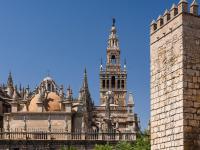
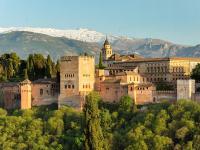
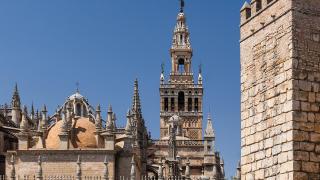
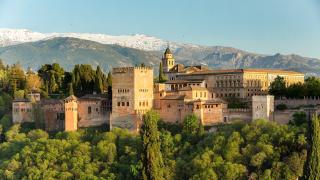
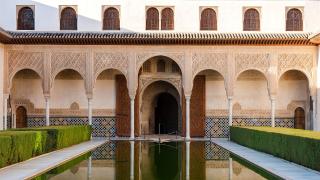
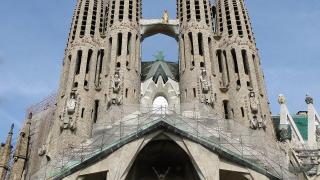
Spanish sacred architecture reflects centuries of religious coexistence and conflict. Grand cathedrals serve as primary centers for art and history. These structures often dominate city skylines across the nation. The Mezquita in Córdoba exemplifies unique architectural blending. Originally a mosque, it later became a Catholic cathedral. This structure displays distinct Moorish influence within its design. Arches and columns create a complex, layered visual experience. The blend of styles reflects Spain’s complex religious history. Islamic, Jewish, and Christian elements often coexist in these spaces. This diversity is visible in the region's built environment. The Alhambra in Granada also demonstrates this architectural synthesis. It combines Islamic artistry with later Christian modifications. These sites offer concrete evidence of Spain's plural past. Visitors observe intricate tile work and ornate woodwork. The Mezquita’s horseshoe arches remain a key historical feature. Such details highlight the cultural exchange in Iberia. The architecture serves as a tangible record of history. It preserves the memory of diverse religious communities. The visual impact remains significant for modern observers. The structures stand as testaments to historical complexity. They provide insight into the region's spiritual evolution. The blend of styles defines the unique character of Spanish sacred spaces. This architectural diversity remains a key feature of the landscape. The visual evidence supports the historical narrative of coexistence. The structures continue to define the cultural identity of the region. They remain central to the understanding of Spanish heritage. The architectural layers provide a clear historical record. The visual evidence supports the historical narrative of the region. The structures continue to define the cultural identity of the area. The visual evidence supports the historical narrative of the region. The structures continue to define the cultural identity of the area.
The Rhythm of Holy Week and Festivals
Spain guarantees religious freedom, yet Catholicism remains the most prevalent religion. This dominance is most visible during Holy Week, or Semana Santa. These traditions define the national cultural rhythm. Processions occur across cities and towns during this period. They serve as vital markers of community identity. Participants carry heavy floats through narrow streets. The atmosphere balances deep solemnity with public celebration. This duality reflects Spain’s complex spiritual history. While Catholicism leads, other faiths exist within the country. Islam, Judaism, Protestantism, and Hinduism are also practiced. Specific places of worship support these diverse communities. However, public festivals largely follow the Catholic calendar. Semana Santa draws significant attention from both locals and visitors. The visual impact of the processions is striking. Devotees wear traditional robes during the parade. This practice reinforces local traditions and social bonds. The events are not merely religious but cultural. They shape the social fabric of Spanish towns. The rhythm of the year is marked by these key dates. Other festivals also reflect this deep-seated religious heritage. The balance between solemn ritual and community celebration is unique. It defines the spiritual landscape of the nation. This structure remains central to Spanish cultural identity.
Diverse Faiths and Pluralism
Spain guarantees religious freedom for all citizens. Catholicism remains the most prevalent faith. Other communities include Muslims, Jews, Protestants, and Hindus. These groups maintain specific places of worship across the nation. Islamic presence reflects historical Moorish influence. Jewish communities trace roots to ancient Iberian settlements. Protestant and Hindu groups represent modern immigration trends. The state supports these diverse practices legally. Holy Week traditions highlight Catholic dominance. However, pluralism is increasingly visible in urban centers. Respect for this diversity is a societal norm. Public administration remains secular and neutral. This framework allows all faiths to coexist. Historical sites often serve multiple religious communities. Cultural traditions reflect this complex religious tapestry. Understanding these dynamics is essential for visitors. The legal framework protects minority rights effectively. This protection fosters social stability and harmony. Spain’s religious landscape is both historic and modern. It balances deep Catholic roots with new influences. This balance defines contemporary Spanish spiritual life.
Practical Etiquette and Visitation
Visitors must adhere to strict dress codes in Spanish religious sites. Shoulders and knees require full coverage at all times. This rule applies to cathedrals and churches across the nation. Silence is mandatory during active worship services. You must respect the solemn atmosphere of these spaces. Photography restrictions vary by location. Flash photography is generally prohibited to protect ancient art. Check specific signage before taking any images. Service schedules differ significantly between regions. Mass times change on Sundays and holy days. Plan visits outside of these peak hours. Mindfulness of other visitors is essential. Do not block aisles or entryways. Keep conversations to a whisper. Cultural sensitivity requires understanding local traditions. Holy Week draws large crowds. Expect significant delays and noise during these periods. Respect the diverse faiths present. Spain hosts Muslim, Jewish, and Protestant communities. Visit their specific places of worship with equal respect. Observe local customs in all sacred spaces. This approach ensures a respectful and meaningful experience for all visitors.