


Seasonal Climate Overview
Spain’s climate varies significantly by region. The Mediterranean coast offers mild winters. The north remains cool and rainy year-round. The interior experiences hot summers and cold winters. Timing is critical for a comfortable trip. The best time depends on your specific region. Northern regions like Galicia are best in summer. Southern regions like Andalusia are ideal in spring. Summer heat can be intense in the interior. Plan around these regional differences for comfort. Avoid peak summer in the south if possible. Spring and autumn offer the most balanced weather. This approach ensures a pleasant travel experience. Always check local forecasts before finalizing plans. Regional climate diversity defines the Spanish travel experience.
Spring: Blooming Landscapes
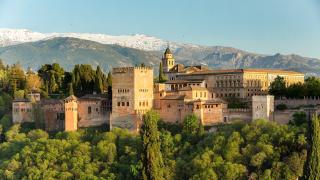
Spring brings ideal weather to Spain. Temperatures rise gently across regions. The landscape blooms with vibrant colors. This period is peak travel season. Crowds gather at major historical sites. Advance booking is essential for hotels. Tourist demand is high in April. Semana Santa draws large international crowds. Local festivals offer unique cultural experiences. Visitors should book accommodations early. Prices may increase during peak weeks. Plan transportation and entry tickets ahead. Spring is ideal for sightseeing. The weather is mild and pleasant. Crowds are manageable outside major holidays. Book museums and attractions in advance. This ensures a smooth travel experience. Avoid last-minute bookings for popular sites. Spring is the best time to visit. The climate is perfect for exploration. Crowds are dense but manageable. Plan carefully to avoid delays. Spring is the optimal travel time. The conditions are ideal for travel. Book early to secure best rates. Spring is the best time to visit Spain.
Summer Heat and Coastal Escapes
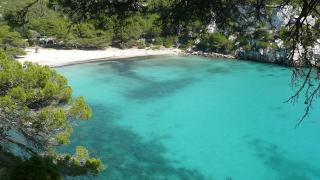
Spanish summers are intensely hot. Temperatures frequently exceed 30°C. This heat is most intense in July and August. Coastal areas become extremely crowded during these peak months. The Mediterranean coast is particularly popular with tourists. Crowds gather at major beaches and historical sites. Navigating these areas requires careful planning. You must stay hydrated in the high heat. Seek shade during the hottest midday hours. Plan activities for early morning or late evening. This strategy helps avoid the peak heat. Local siesta traditions also provide natural breaks. Many shops close during the hottest part of the day. Plan meals and sightseeing around these local rhythms. This approach ensures a more comfortable experience. It allows you to navigate the heat effectively. You can enjoy the coast without the midday heat. This timing strategy is essential for a pleasant visit. It helps manage the intense summer conditions effectively.
Autumn Harvest and Mild Weather
Autumn brings mild weather to Spain. Temperatures drop gently after summer. Crowds thin out significantly in September. This creates a relaxed atmosphere. Travelers enjoy fewer crowds at major sites. The harvest season begins in late summer. Vineyards in La Rioja and Ribera del Duero become active. Grapes are harvested for wine production. This is an ideal time for wine tasting. Local festivals celebrate the new vintage. Hiking in the north becomes more pleasant. The heat subsides, making trails comfortable. Lower prices for accommodation are common. Hotels often reduce rates after peak season. Budget travelers benefit from these lower costs. The air becomes crisp and clear. It is an excellent time for photography. Light is softer in the late afternoon. You can explore historic towns without crowds. The pace of life slows down. This is the best time for relaxation. You can enjoy long, leisurely meals. Local markets offer fresh, seasonal produce. Figs, pears, and grapes are abundant. This is the best time to visit Spain for value and comfort.
Winter Chill and Holiday Festities
Winter brings crisp air to Spain. Northern regions like Galicia face cold, rainy days. Travelers should pack warm layers for these areas. In contrast, southern Andalusia enjoys mild, sunny days. Temperatures remain pleasant for daytime exploration. The festive season highlights local culture. Cities host traditional markets and holiday events. Madrid and Barcelona offer special holiday decorations. These celebrations provide a unique cultural experience. Travel costs often decrease during this low season. Hotels and flights may offer better rates. This makes winter an affordable travel time. Crowds are significantly smaller than in summer. Visitors can explore museums and historical sites easily. The atmosphere is calm and relaxed. Local traditions come alive during holiday festivities. This is an ideal time for cultural immersion. Travelers can experience authentic Spanish traditions. The climate remains mild in southern regions. This allows for comfortable outdoor activities. Winter is a practical time to visit Spain.