



Spanish daily rhythms dictate family scheduling. The midday break, or siesta, is a cultural norm. Many museums and local shops close between 2:00 PM and 5:00 PM. This closure is standard, not an exception. Plan major sightseeing for the morning hours. Mornings offer cooler temperatures and fewer crowds. After 2:00 PM, streets often quiet down. Use this time for rest or indoor activities. Re-engage with leisure in the late afternoon. Evening strolls, or paseos, begin later. This rhythm ensures a relaxed pace. It respects local rest periods. Families should align their schedules accordingly. Plan meals and visits around these closures. This approach ensures a smoother, less stressful experience. It aligns with local cultural norms. Adapt your itinerary to fit this rhythm. This ensures a more authentic and relaxed vacation experience for the whole family.
Stroller-Friendly Infrastructure and Transport
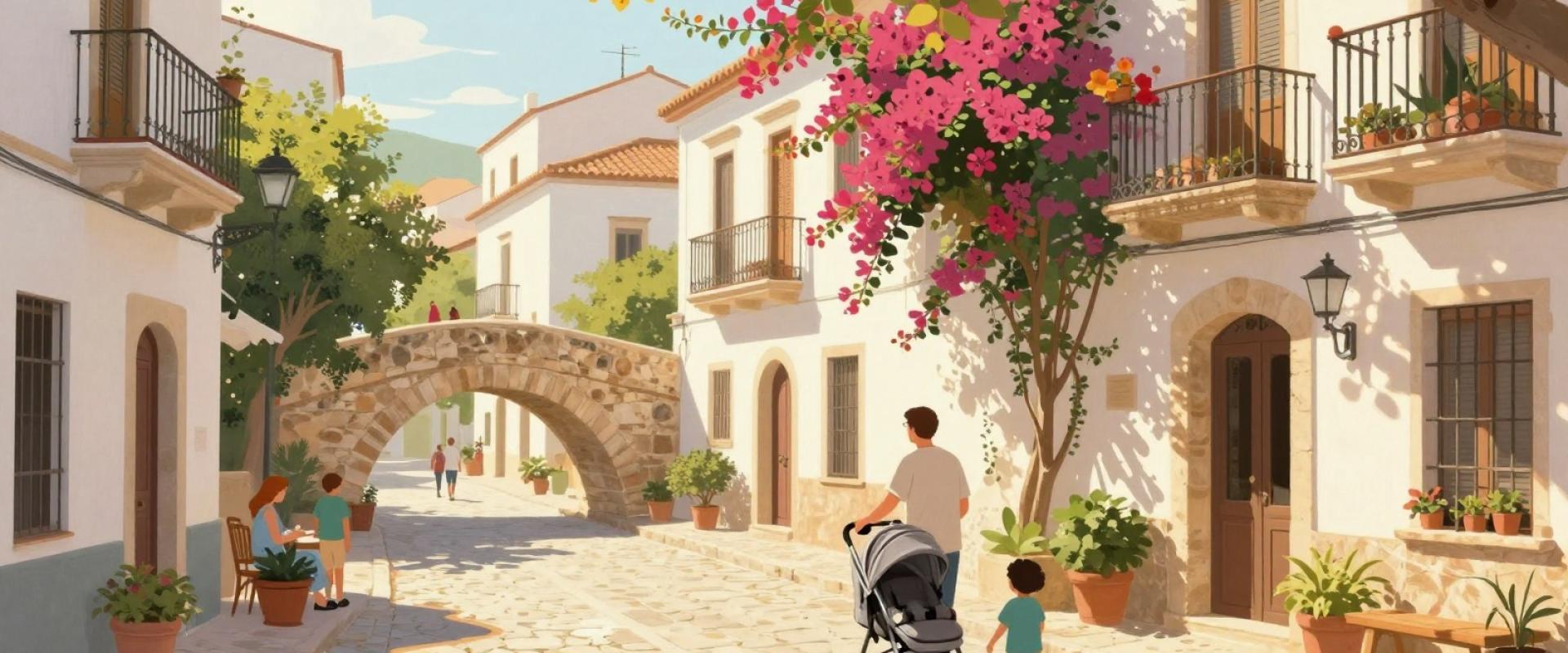
Spanish historic centers feature cobblestone streets. These uneven surfaces challenge stroller navigation. A lightweight, foldable stroller is essential. It navigates narrow, historic streets more easily. Public transport in major cities is accessible. Metro stations often have elevators or ramps. Verify specific station accessibility before traveling. High-speed AVE trains offer spacious, family-friendly travel. Seating is comfortable for long journeys. Booking in advance is recommended for families. This ensures seats are together. Local buses are stroller-friendly in many cities. Check specific line details for elevator access. Always check station infrastructure before arrival. This prevents delays with heavy strollers. Spanish infrastructure supports family travel effectively. Plan routes around accessible transit hubs. This ensures a smooth, stress-free experience. Spanish cities are increasingly stroller-friendly. Adaptability is key for a smooth trip.
Cultural Etiquette: Dining and Siesta Hours
Spanish dining schedules differ significantly from other regions. Lunch serves as the main daily meal. Families typically eat between 2:00 PM and 4:00 PM. This timing aligns with local business closures. Dinner occurs late, often starting after 9:00 PM. This schedule can challenge families with young children. Plan a late morning breakfast to bridge the gap. A light midday meal helps manage hunger. Tapas offer flexible dining options for families. Small plates allow for flexible eating times. Tapas bars provide a casual alternative to formal restaurants. This approach accommodates varying hunger levels. It allows children to eat smaller portions. Spanish culture values leisurely, multi-course meals. Adapt your schedule to local rhythms. Respect the local dining hours for a smoother experience. This approach ensures a more relaxed family vacation. It aligns with local social norms. Flexibility is key to enjoying Spanish cuisine. Adapt to local customs for a better experience.
Safety and Health: Staying Safe and Hydrated
Spain’s summer heat demands strict hydration. Families must carry water constantly. Sun exposure is intense. Apply high-SPF sunscreen frequently. Reapply every two hours. Coastal areas present specific risks. Jellyfish may appear in warm waters. Check local warnings before swimming. Inspect skin for stings immediately. Rinse stings with seawater, not fresh water. Fresh water worsens stings. In crowded tourist zones, vigilance is essential. Pickpockets target distracted families. Keep valuables secure and visible. Monitor children closely in crowds. A basic first-aid kit is mandatory. Include plasters, antiseptic, and pain relief. Travel insurance is essential. It covers medical emergencies and repatriation. The emergency number is 112. It works from any phone. Dial 112 for police, fire, or medical aid. This number is free and accessible. Local authorities respond to these calls. Always carry identification. Inform your hotel of your daily plans. This ensures help can locate you if needed. Safety is a shared responsibility. Stay alert and hydrated. Protect your family from heat and theft. Plan ahead for every excursion. Prepare for unexpected weather changes. Be prepared for all contingencies.
Engaging Activities for All Ages
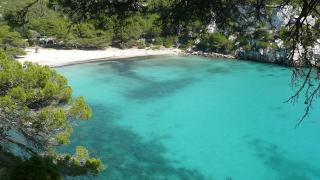
Interactive museums offer engaging exhibits for children. The Reina Sofía in Madrid provides educational value. Theme parks, like Port Aventura, offer diverse attractions. These sites cater to all age groups. Local parks provide relaxed, outdoor options. Beaches in coastal regions are ideal for families. Spanish culture supports family-oriented activities. Many venues offer special family tours. Workshops are available at cultural sites. These options ensure engagement for all ages. Families can explore museums and parks. The variety suits different interests. Spanish infrastructure supports family travel. Strollers are useful in historic centers. Local dining complements the day's activities. Safety is maintained through standard precautions. Hydration is essential in summer heat. Spanish customs respect family time. The environment is welcoming to children. Families can enjoy the local culture. Spain offers diverse recreational options. The experience is tailored for all ages.