History
The history of Girona is a tapestry woven from centuries of conflict and cultural exchange, earning it the nickname "the city that has never been conquered" due to its resilience. The city’s strategic location in northeastern Spain has made it a target for various invaders, including the Moors, Franks, and French, leading to a rich and complex heritage. The most notable historical feature is the well-preserved medieval Jewish Quarter, or El Call, which dates back to the 14th century. This quarter is one of the best-preserved in Europe, offering a glimpse into the Jewish community’s life during the Middle Ages. The city’s history is also marked by its fortifications, with ancient walls that once protected the city from invasion. These historical layers are visible in the architecture, from the Roman ruins to the medieval streets, creating a unique blend of past and present.
Main Attractions
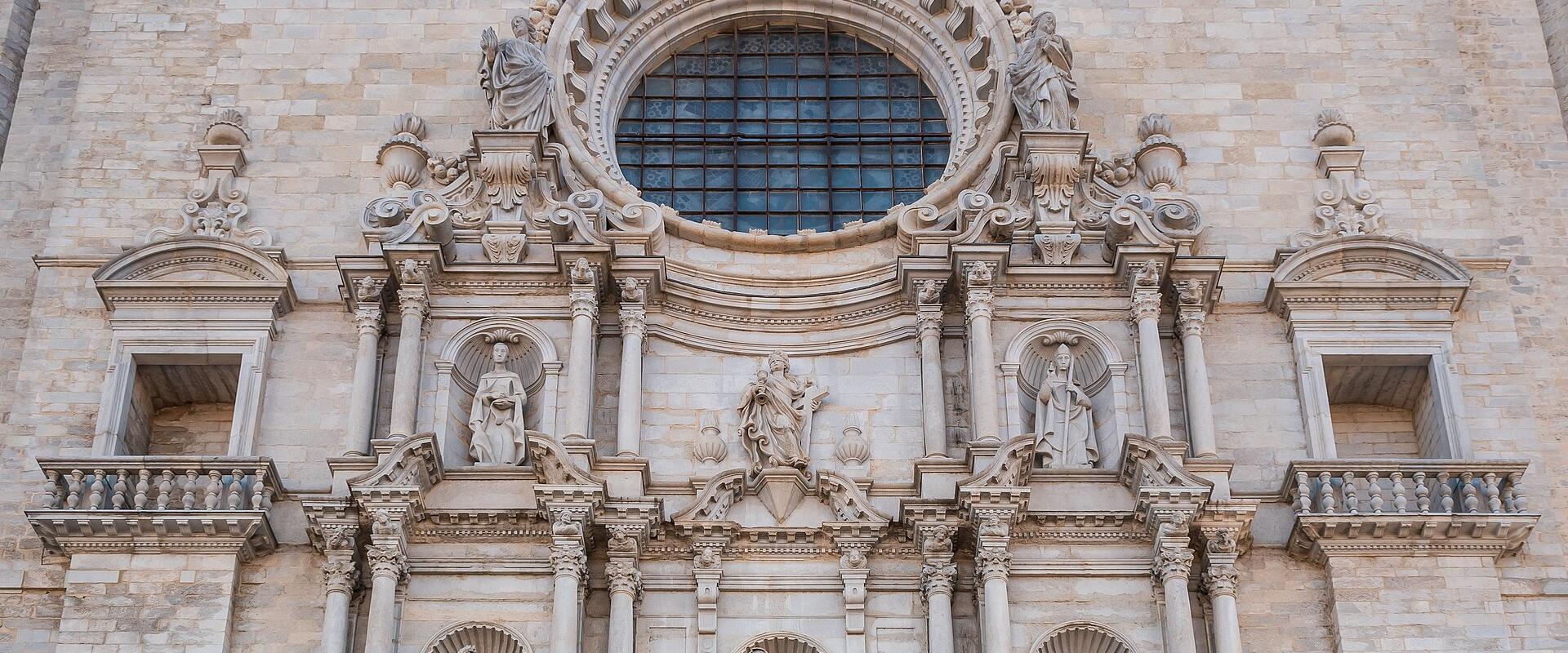
The primary attraction in Girona is the historic center, particularly the Jewish Quarter, which is a maze of narrow, winding streets and ancient buildings. The most iconic landmark is the set of colorful stairs leading up to the Cathedral, a scene that has become synonymous with the city. The Girona Cathedral, with its impressive Baroque facade and the world’s widest baroque staircase, is a must-visit. The Arab Baths, located nearby, offer a glimpse into the Moorish influence on the city, with their intricate stonework and serene atmosphere. The city’s other significant sites include the Roman walls, which still stand as a testament to the city’s ancient past, and the many churches and monasteries that dot the landscape.
Activities
Visitors to Girona can engage in a variety of activities that highlight the city’s cultural and natural beauty. Walking through the historic center is a primary activity, allowing visitors to explore the narrow streets and admire the colorful facades. The city is also known for its culinary scene, with many restaurants offering traditional Catalan cuisine. For those interested in nature, the nearby Costa Brava offers beautiful beaches and hiking trails. The region is also popular for cycling, with many routes suitable for both leisure and competitive cyclists. Additionally, the nearby Pyrenees offer opportunities for hiking and skiing, providing a diverse range of activities for visitors.
Getting There
Girona is easily accessible by air, with Girona-Costa Brava Airport (GRO) located just a short distance from the city center. The airport offers a variety of domestic and international flights, making it a convenient hub for travelers. Upon arrival, visitors can take a bus or taxi to the city center, a journey that takes approximately 20-30 minutes. Alternatively, Girona is well-connected by train, with regular services from Barcelona and other major cities in Spain. The train station is located in the city center, providing easy access to the main attractions. For those who prefer to drive, the A-7 highway provides easy access to the city from other parts of Spain.
Best Time to Visit
The best time to visit Girona is during the spring (April to June) and autumn (September to October) months. During these periods, the weather is mild and pleasant, with comfortable temperatures ideal for exploring the city on foot. The summer months can be hot and crowded, with higher prices for accommodation, while the winter months, though mild, can be cooler and less vibrant. Visiting during the shoulder seasons allows for a more relaxed experience, with fewer crowds and lower prices. It is advisable to book accommodation in advance, especially during the peak tourist season, to ensure availability.
Best time to visit
May through October offers warm, dry weather ideal for exploring the city.
What to see in Girona
Our picks first.
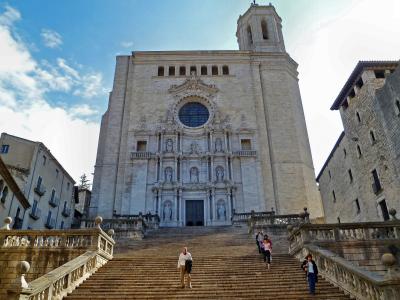
Girona Cathedral (Catedral de Santa Maria)
Historic Heritage · Architectural Heritage
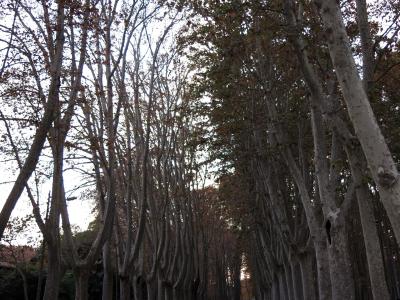
Parc de la Devesa
City Centers · Gardens
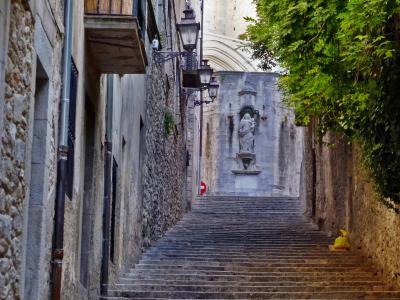
Jewish Quarter (El Call)
Architectural Heritage · Historic Districts
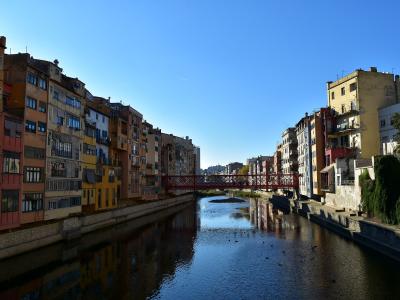
Onyar River Houses
Free Historic Districts · Historic Houses
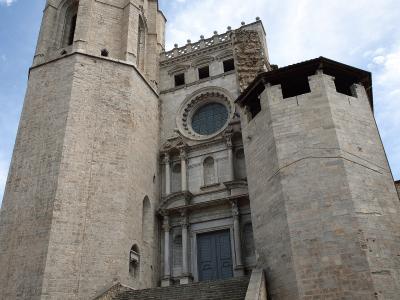
Basilica of Sant Feliu
Architectural Heritage · Historic Churches
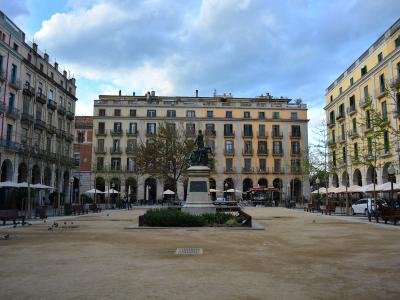
Plaça de la Independència
Free Historic Heritage · Town Squares
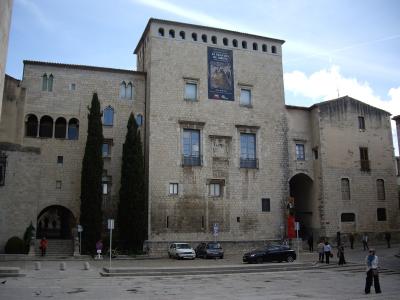
Girona Art Museum (Museu d'Art de Girona)
Art Museums · Historic Districts
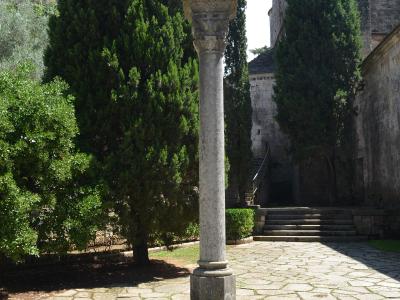
Monastery of Sant Pere de Galligants
From €3.50 Architectural Heritage · Historic Churches
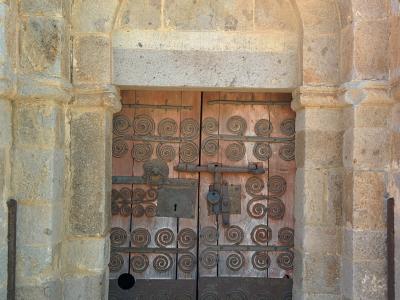
Arco de Fluvià
Free Historic Districts · Historic Walls
Girona by interest
The same sights, grouped by what you came for.
Did you know?
Checked facts about Girona, each with its source.
-
Film & TV
Game of Thrones Filming in Girona
During Season 6, Girona served as a primary filming location for the HBO series Game of Thrones, doubling as King's Landing and Braavos. Iconic scenes filmed on-site include the 'Walk of Shame' on the Cathedral steps and sequences at the Sant Marti church, which represented the House of Black and White.
Source: jordangassner.com -
Notable Person
Xavier Cugat Born in Girona
Xavier Cugat, the famous bandleader known as the 'King of Latin Music,' was born in Girona, Spain.
Source: www.famousbirthdays.com
Planning a visit to Girona
Itineraries that include Girona
Good to know
- Currency
- EUR
- Language
- Spanish