







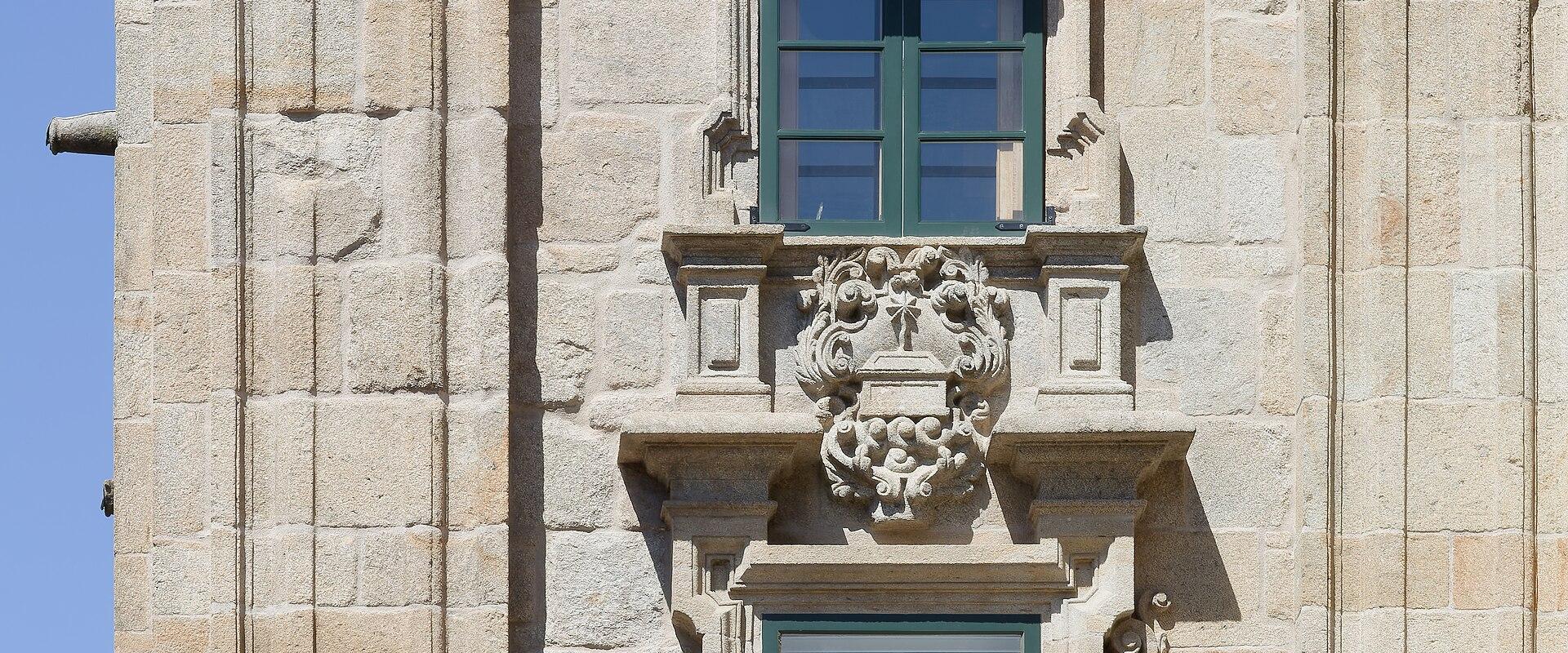
Cathedral (Santiago De Compostela)
Burial site of Saint James in Spain
- Where
- Santiago De Compostela, Galicia
- Directions
- Directions
The Cathedral of Santiago de Compostela is the destination of the Camino de Santiago, the pilgrimage route that has drawn travellers across Europe for more than a thousand years, and it stands in the Praza do Obradoiro at the centre of the old city of Santiago, in Galicia, Spain. According to tradition, the remains of the Apostle James were discovered in the early ninth century at this place, and a shrine was built over the tomb, which grew into one of the three major pilgrimage destinations of medieval Christendom, with Jerusalem and Rome. The present cathedral was begun in 1075, in the Romanesque style, and was largely finished by the early thirteenth century, and later centuries added Gothic, Renaissance and Baroque elements. The old town of Santiago was inscribed on the UNESCO World Heritage List in 1985.
The cathedral presents several different faces. The most famous is the west front facing the Obradoiro square, a Baroque façade of the eighteenth century, with twin towers, rich carving and a great staircase, which was added to protect and conceal the older Romanesque entrance. Behind it, the Pórtico da Gloria, the Portico of Glory, is a masterpiece of Romanesque sculpture, created by Master Mateo in the late twelfth century, with hundreds of figures, among them Christ in majesty, the apostles and the elders of the Apocalypse, once painted in bright colours. Pilgrims traditionally touch the central column with their hand, leaving a worn impression in the stone, though the portico has been protected by a barrier in recent years because of wear.
The interior is a Romanesque church with a Latin cross plan, a high barrel-vaulted nave and a gallery, in a somewhat austere, powerful style. The main altar is a Baroque setting of gold and silver, in which a gilded statue of Saint James sits above the tomb. Visitors can descend to the crypt to see the silver reliquary that holds the remains of the apostle, and many pilgrims climb behind the altar to embrace the statue, a long-standing custom. The cathedral’s most famous object is the Botafumeiro, a giant silver censer that weighs about fifty kilograms and is swung from the transept ceiling on a system of ropes by a team of men, filling the nave with incense smoke, a spectacle that takes place on special occasions and certain days of the year. The Holy Door is opened only in Holy Years, when the feast of Saint James falls on a Sunday.
The cathedral museum displays treasures that include the Gelmírez Palace, the roofs and the Portico, as well as tapestries, goldwork and the cloister. The archive and library, with limited hours, house historic documents. Mass is celebrated daily, and the pilgrims’ mass at midday is the most popular.
The cathedral is open every day from early morning until late evening, and there is no charge for entry to the church, while the museum and other areas require a ticket. Check the official site for current times. The square is a place of emotional arrival for pilgrims, who often lie down in the plaza after their long walk. The Mercado de Abastos de Santiago is nearby.
Categories
More photos coming soon
Nearby Attractions
Other places to visit in Santiago De Compostela
Questions people ask
Quick Facts
Best Time to Visit
May through September offers warm, dry weather ideal for exploring the city.