


- Where
- Tenerife, Canary Islands
- Directions
- Directions
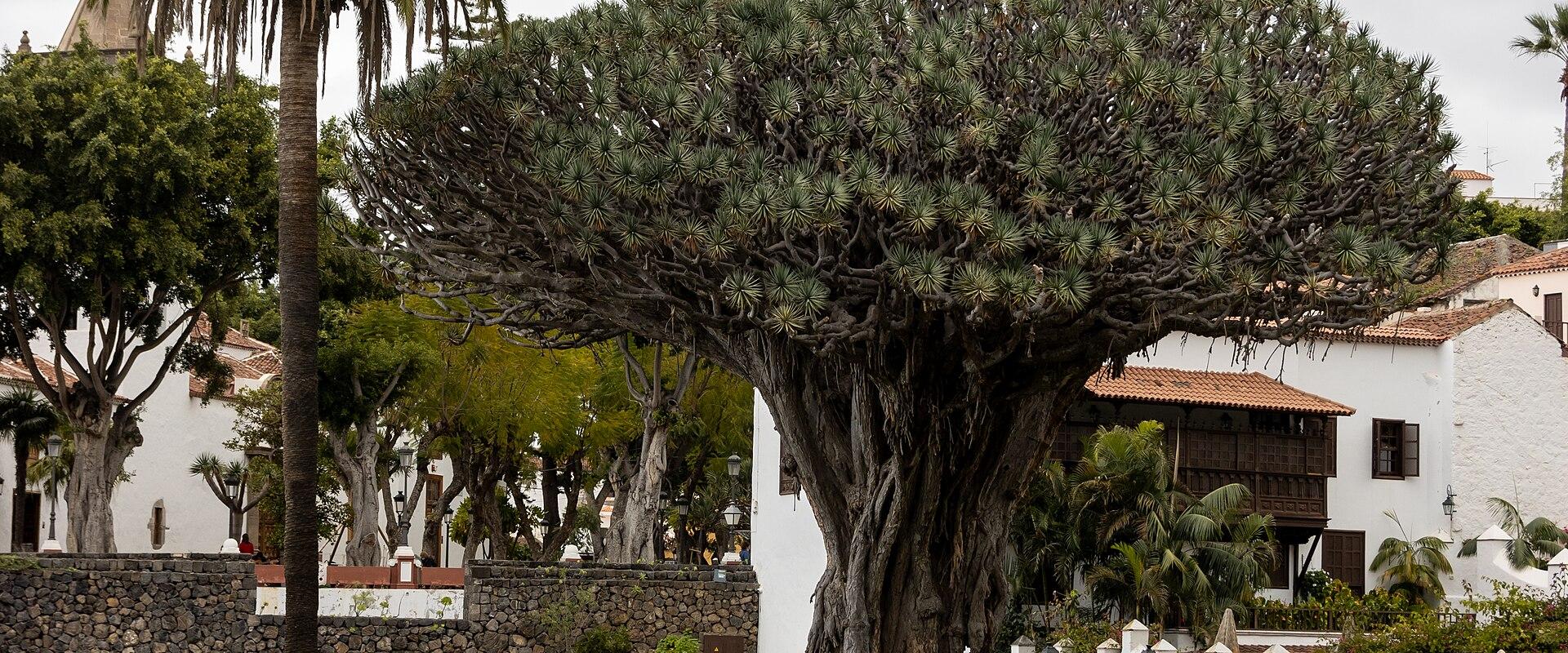
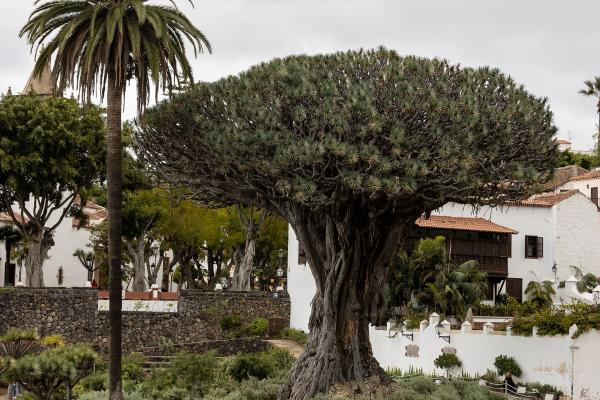
The Dragon Tree of Icod de los Vinos, the Drago Milenario, is the most famous tree in the Canary Islands and one of the symbols of Tenerife. It stands in the small town of Icod de los Vinos, on the north coast, in a garden above the old centre, and it is a Dracaena draco, a species native to the Canary Islands and a few other places in Macaronesia. The tree is thought to be several hundred years old, with estimates of eight hundred years or more, though its name suggests a thousand, and the true age is difficult to establish because dragon trees do not form annual growth rings. Whatever its age, it is an imposing sight: a vast trunk made of many fused stems, supporting a dense umbrella-shaped crown of stiff, sword-like leaves.
The name comes from the red resin that oozes from the trunk when it is cut, which is known as dragon's blood. The Guanche, the original inhabitants of Tenerife, are believed to have used it in medicine and in embalming their dead, and in the following centuries it was sold across Europe as a pigment, a varnish and a remedy. A dragon tree flowers only rarely, and then in cream-coloured clusters, and the branches fork each time the tree flowers, which gives it its sculptural shape. The species is endangered in the wild, and the Icod tree has been protected as a national monument.
Visitors can see the tree free of charge from the Plaza de San Marcos, a lovely square in the old town beside the church of San Marcos, and from here the tree can be admired from a short distance. A paid entrance to the Parque del Drago, the garden around the tree, allows a closer view and includes paths with endemic plants of the islands, among them tabaibas and cardones, which are drought-adapted succulents, and an exhibition on the Guanche way of life, including a cave that recreates a burial site. There are also spaces about wine, since Icod de los Vinos is known for its vineyards, and its name means Icod of the Wines.
The town is worth exploring. Its old streets climb a hillside with fine views toward the sea and Mount Teide, the volcano that dominates the island, and the church of San Marcos, from the sixteenth century, is a treasure of religious art. Nearby is the Cueva del Viento, a vast lava tube that is one of the longest in the world and can be visited on guided tours by appointment. Another local attraction is the Mariposario del Drago, a butterfly house.
The tree suits families, nature lovers and photographers, and a visit takes about an hour. Come in the morning to avoid tour groups. Opening hours and prices for the park vary, so check beforehand.
Categories
More photos coming soon
Nearby Attractions
Other places to visit in Tenerife
Museo de la Naturaleza y el Hombre
Archaeological Museums · Geological Sites
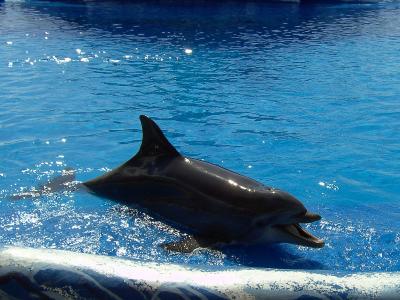
Aqualand Costa Adeje
Water park with dolphin show in Costa Adeje
From €35 Wellness & Leisure
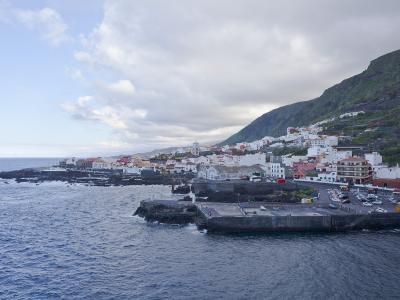
Garachico
18th-century historic town in northern Tenerife
Coastal Views · Geological Sites
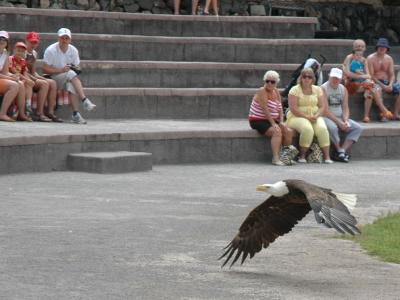
Jungle Park
7-hectare zoo with free-flying birds of prey
From €36 Nature & Outdoors
Questions people ask
Quick Facts
Best Time to Visit
May through October offers ideal weather with warm temperatures and fewer crowds.