







Plaza de los Naranjos (Orange Square)
- Admission
- Free admission
- Hours
- Open 24/7
- Where
- Marbella, Andalusia
- Directions
- Directions
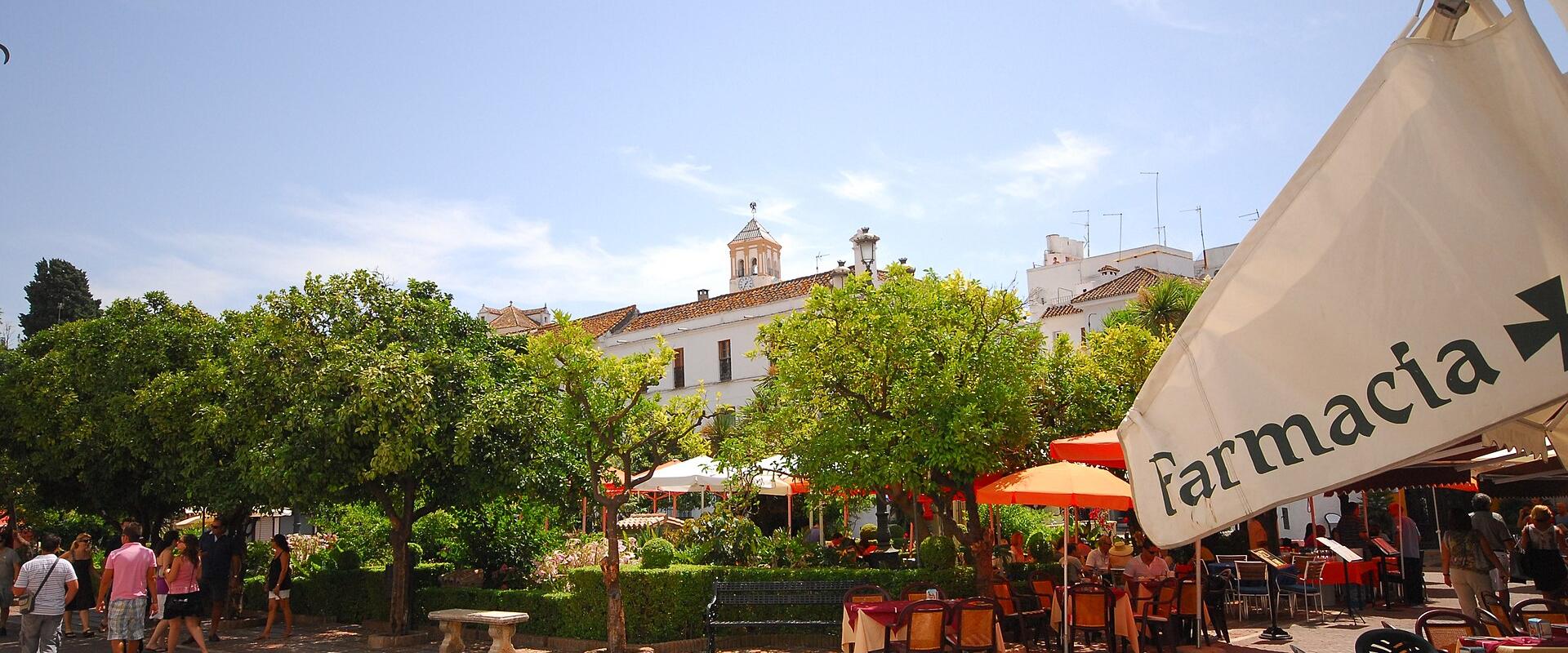
Plaza de los Naranjos is the main square of Marbella’s Old Town, the Casco Antiguo, and it is the best place to see the older, Andalusian town that lies behind the beaches and the hotels of the coast. The square was laid out after the Christian conquest of Marbella in 1485, when the Catholic Monarchs took the town from the Muslim kingdom of Granada, and it was planned in the Renaissance manner as a civic space with a regular shape and a fountain. The Moorish town had a different plan, so the creation of the plaza marked the start of the new Christian city. Its name refers to the orange trees that are planted around it, which fill the square with perfume when they flower in spring and give shade and fruit in other seasons.
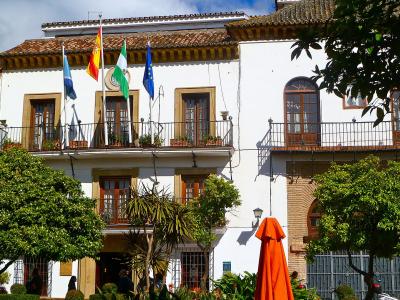
The square’s buildings tell the history. The oldest is the Ermita de Santiago, a small chapel dating from the late fifteenth century and associated with the conquest, which stands in one corner and has simple, whitewashed walls. The Casa del Corregidor, the former town hall, dates from the sixteenth century and is the most impressive building on the square, with a stone façade, a balcony and stately windows; it also has a plaque or lettering recording its construction. The Casa Consistorial, the modern Town Hall, is close by. The fountain at the centre, with its stone basin, gives the square a gentle sound of water.
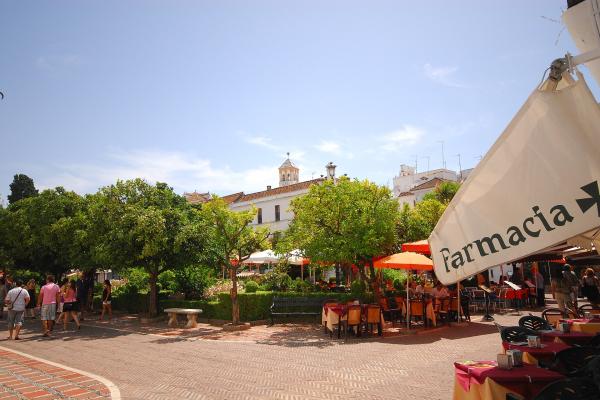
Around the plaza, the white-washed houses of the old town have balconies decorated with flowers, and the ground floors are occupied by cafes, restaurants and shops, with tables spread out under the orange trees. In the evening, the square is calm and charming, and it is a pleasant place for dinner. The mood is different from the glitzy side of Marbella found along the Golden Mile and at Puerto Banús, and many visitors are surprised by how traditional the town centre feels.
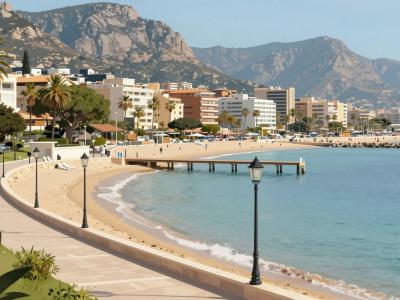
From the plaza, narrow lanes with flower pots on the walls lead to the Iglesia de la Encarnación, a church of the seventeenth century, to the remains of the Moorish castle walls and to the quiet streets of the old quarter. The Alameda Park, a shaded public garden with tiled benches and fountains, lies a short walk away, along with the seafront promenade.
The plaza is open at all hours and free to enter. The best times for a visit are the early morning, when it is quiet, and the evening, when the lights come on. In July and August, it is crowded, and tables fill up quickly. Marbella has a mild climate throughout the year, so the square can be enjoyed in any season.
Categories
More photos coming soon
Hours & Fees
- Open
- Open 24/7
- Admission
- Free admission
Hours and prices change, especially out of season. Check with the venue before you go.
Questions people ask
Quick Facts
Best Time to Visit
May through October offers warm, sunny weather ideal for beach activities and outdoor exploration.