

The Ceramic Threshold
The transition is abrupt, almost theatrical. One moment, you are immersed in the humid, electric buzz of Seville’s historic center; the next, crossing the iron span of the Puente de Triana dissolves that noise into a rhythmic, metallic hum. The air here changes, growing heavier with the scent of burning orange wood and the distinct, earthy aroma of wet clay.
Triana is not merely a neighborhood; it is a sovereign entity in its own right, defined by a pride that the main tourist trail cannot replicate. Here, the streets are paved with history, where the local artisans shape earth into vessels that hold centuries of memory. The local identity is sharp, unapologetic, and deeply rooted.
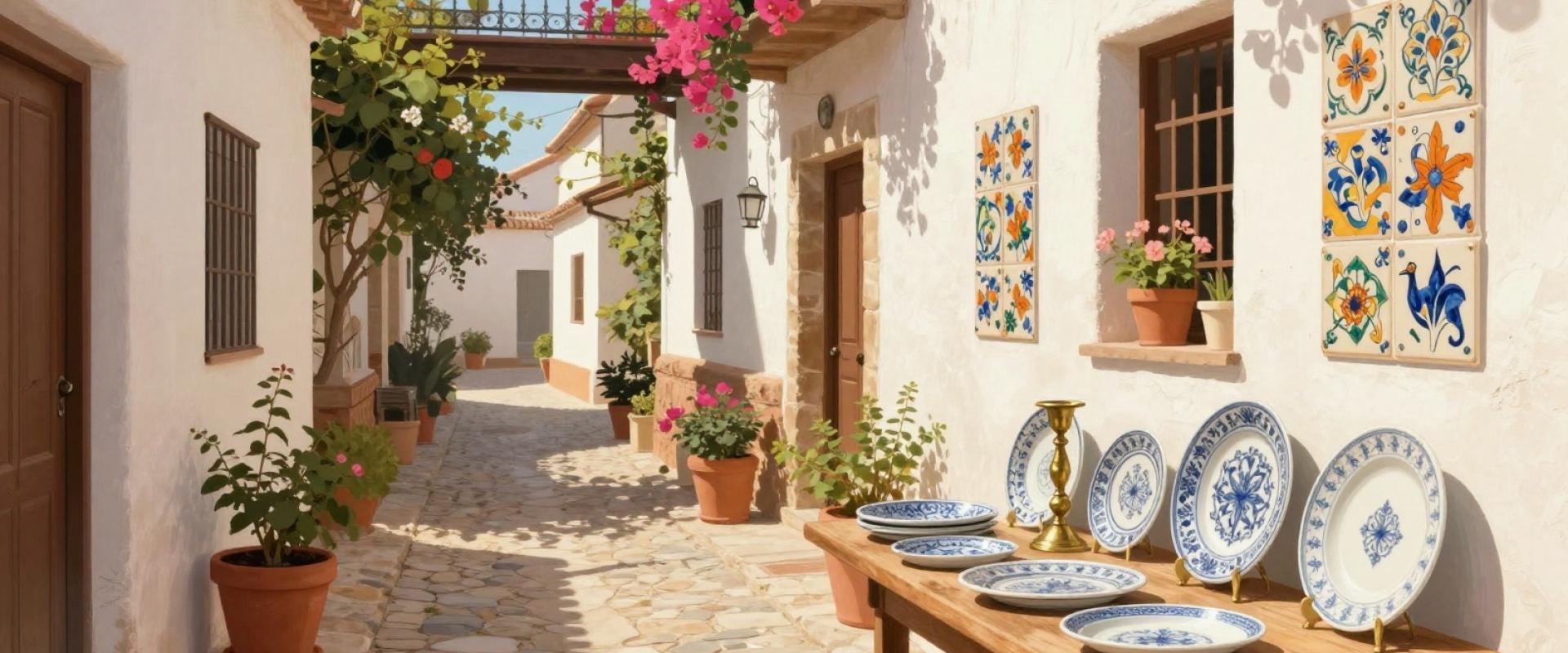
As you step onto the cobblestones, the commercial noise of the center fades, replaced by the intimate rhythm of community life. Tapas bars line the narrow streets, their walls adorned with azulejo tiles painted by local hands. The air carries the rich, oily scent of fried anchovies and the subtle sweetness of roasting meat. Time seems to slow, allowing you to witness the true pulse of Seville. This is not a performance for outsiders; it is a living, breathing community. In this space, you are no longer just a tourist observing a museum; you are a guest in a home that has been open for generations.
The Alhambra’s Echo: A Culinary Counterpoint
Note: While the header references the Alhambra, this section focuses on the culinary soul of Triana, distinct from the general historical narrative.
Triana’s culinary identity is anchored in its ceramics, yet its culinary soul is defined by the savory, robust rhythms of the local table. Here, the dining experience is not about fleeting trends but about the enduring weight of tradition. You will encounter grilled pork loin (lomo) and slow-cooked pork cheeks (morcilla and morcilla variations) that are treated with the same reverence traditionally reserved for fine wines.
These are not mass-produced snacks designed for quick consumption. They are staples rooted in the neighborhood’s unique identity, crafted by hands that have shaped clay and cooked meals for generations. The air is thick with the scent of roasting meat, a sensory anchor that grounds the experience in the present moment.
Locals define their character through these specific, hearty flavors. It is a place where community gathers, sharing time and simple, authentic dishes without the pressure of a rigid schedule. In this relaxed atmosphere, there is no rush to finish the meal. You are invited to savor each bite, letting the flavors settle before taking the next. It is a true reflection of Seville’s soul, captured in the quiet moments between bites, where the line between host and guest blurs into shared humanity.
The River’s Edge Feast
The boundary between the historic center and the artisanal district of Triana is marked by the gentle flow of the Guadalquivir. Crossing the bridge, the atmosphere shifts. The air here is thick with the scent of frying oil and toasted almonds, a sensory invitation that pulls you toward the riverbank.
Triana does not just sit across the water; it stands apart, holding a distinct identity that the main tourist zones often mimic but rarely capture. Here, the locals do not just visit the bars; they inhabit them. They gather in small, close-knit groups, sharing stories over cold beers as if the rest of the world has paused. This is where Seville reveals its unfiltered self, shedding the performative layer for something far more genuine.
The rhythm of the Guadalquivir River sets a slow, steady pace, matching the calm that settles over the street. Dining here feels less like a transaction and more like a community ritual. The ceramic heritage of the neighborhood adds a textured backdrop to the experience, grounding it in history rather than fleeting trends.
You are not just an observer; you are a participant. The social interactions are warm, direct, and unpretentious. As you stand there, the difference is immediate. You are no longer an outsider looking in; you are part of the local rhythm, absorbing the soul of the neighborhood one sip and one bite at a time.
The Bridge Walk: A Journey Into the Local Heart
Crossing the bridge is more than a change of location; it is a shift in perspective. The glass and steel of the modern bridge, the Puente de Triana, act as a natural border, separating the historic bustle of the center from the artisanal soul of the left bank. Yet, it is not a barrier, but a bridge in the truest sense, connecting two aspects of the same soul.
Triana is a place where the local character is palpable. Residents view their neighborhood with a deep, protective pride, guarding its traditions against the homogenizing force of mass tourism. Here, the streets are lined with tapas bars that have served the same stewed pork (pata de cerdo) for decades, offering a taste of history with every bite.
The atmosphere is relaxed, inviting you to slow down. Take a moment to appreciate the architectural beauty of the bridge, the warm clay of the buildings, and the rhythm of daily life. This is not just a meal; it is an immersion into the local way of life. As you walk, take time to reflect on the unique culture that defines this neighborhood. It is a necessary pause in your itinerary, a chance to step out of the tourist trail and into the heart of Seville.
The Final Bite
The end of the journey is not an ending, but a culmination. As you cross the bridge one final time, leaving the tourist crowds behind, the memory of the experience settles within you.
Triana’s ceramic heritage anchors the neighborhood, but it is the human element that brings it to life. You taste the history in every bite of the stewed pork, the sweet snap of radishes, and the rich, smoky depth of grilled meats. These are not just meals; they are stories told through flavor.
The rhythm of the neighborhood pulses through every tap bar, from the historic to the newly opened. You are no longer an observer; you are a participant in this daily ritual. The connection you feel is tangible, a reminder that the true spirit of Seville is not found in monuments, but in the shared moments of breaking bread.
Take this memory with you. Let the flavors of Triana linger, a quiet, enduring reminder of the authentic Spain you have experienced.