History
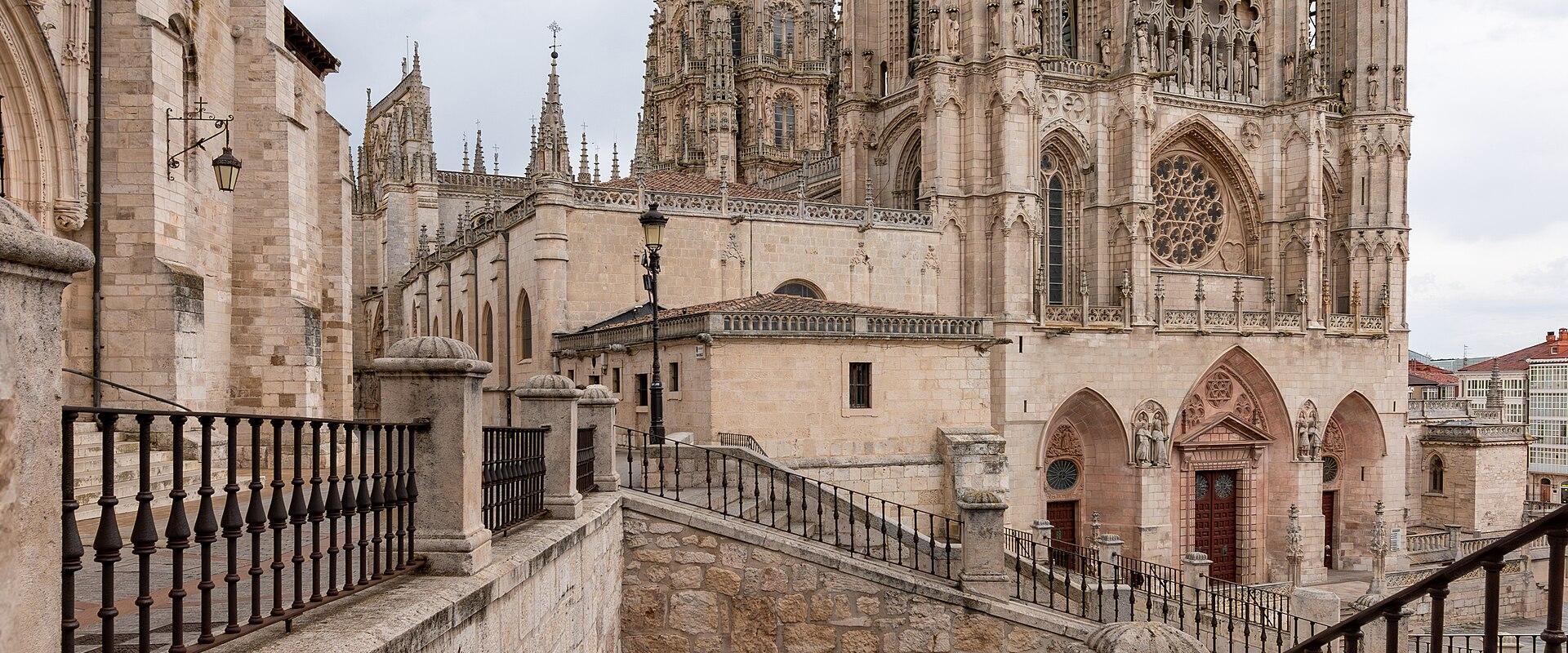
The history of Burgos is deeply intertwined with the formation of the Kingdom of Castile. Founded in the 9th century as a fortified settlement, it served as a crucial defensive point during the Reconquista. The city’s strategic location on the banks of the Arlanza River made it a vital hub for trade and pilgrimage. As the Kingdom of Castile grew in power, Burgos became its political and cultural capital, earning the title "Burgos, the capital of Castile." The city’s medieval splendor is preserved in its architecture, particularly the Burgos Cathedral, which stands as a testament to the region’s religious and artistic heritage. The city’s layout, with its narrow streets and historic buildings, reflects its medieval origins, offering a tangible connection to the past.
Main Attractions
The crown jewel of Burgos is the Cathedral of the Assumption of Our Lady, a UNESCO World Heritage Site. This masterpiece of Spanish Gothic architecture, begun in 1221, is one of the most impressive examples of Gothic style in Spain. Its intricate facade, towering spires, and detailed interior, including the famous golden staircase, are must-sees. The cathedral also houses the tomb of El Cid, the legendary Castilian knight, adding a layer of historical significance. Another key attraction is the Monastery of Santa María la Real, a 13th-century Cistercian monastery known for its serene cloisters and Romanesque architecture. The city’s historic center, with its mud-brick and stone buildings, offers a glimpse into the medieval past, while the modern Plaza Mayor serves as a vibrant social hub.
Activities
Visitors to Burgos can engage in a variety of activities that highlight the city’s cultural and historical richness. Walking through the historic center allows for an immersive experience, with the architecture providing a constant backdrop. The Burgos Cathedral offers a deep dive into Gothic art and religious history, with guided tours available to provide context. The city also hosts various cultural festivals throughout the year, celebrating local traditions and arts. For a more relaxed experience, the parks and gardens offer peaceful retreats. The local cuisine, featuring traditional Castilian dishes, is another highlight, with many restaurants offering local specialties.
Getting There
Burgos is well-connected by road and rail. The A-1 highway connects the city to Madrid, approximately 240 kilometers away, with a drive time of about 2 hours. The A-67 highway connects to the north, including Santander. Burgos Airport, located about 10 kilometers from the city center, offers limited domestic flights. For those arriving by train, the Renfe station is centrally located, providing easy access to the city’s main attractions. Public buses connect the station to the historic center, making it convenient for travelers.
Best Time to Visit
The best time to visit Burgos is during the spring (April to June) and autumn (September to October) months. During these periods, the weather is mild and pleasant, with temperatures ranging from 15°C to 25°C, ideal for exploring the city on foot. The summer months can be hot, with high temperatures, while the winter months can be cold, with occasional frost. Visiting during the shoulder seasons offers a more comfortable experience, with fewer crowds and lower accommodation prices. The city’s cultural events, such as the Holy Week celebrations, are also best experienced during these times, providing a unique insight into local traditions.
Best time to visit
May through September offers warm, dry weather ideal for exploring the city.
What to see in Burgos
Our picks first.
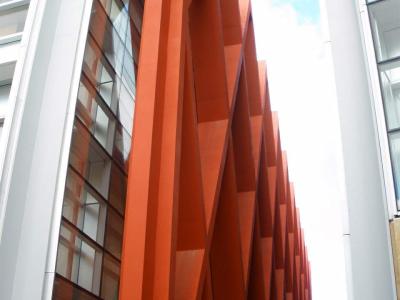
Museo de la Evolución Humana (MEH)
Archaeological Museums · Architectural Heritage
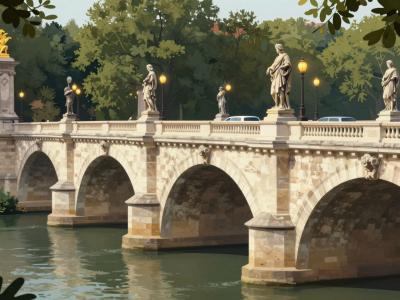
Puente San Pablo
Free Architectural Heritage · Bridges
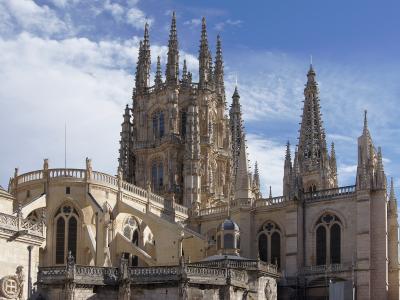
Burgos Cathedral
Cathedrals · Historic Districts
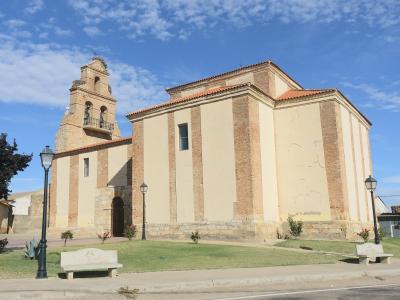
Iglesia de San Pelayo
Architectural Heritage · Historic Churches
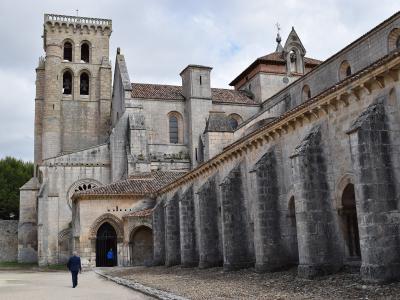
Monastery of Santa María la Real de Las Huelgas
Historic Churches · Monasteries
Burgos by interest
The same sights, grouped by what you came for.
Did you know?
Checked facts about Burgos, each with its source.
-
History
Burgos Served as Early Capital of Castile
The city of Burgos held significant historical importance as an early capital of the Kingdom of Castile, playing a key role in the formation of the territory.
Source: en.wikipedia.org -
Notable Person
Football Star Juan Mata Born in Burgos
Professional footballer Juan Mata is among the notable celebrities born in the city of Burgos, Spain.
Source: www.famousbirthdays.com
Planning a visit to Burgos
Itineraries that include Burgos
Good to know
- Currency
- EUR
- Language
- Spanish
Quick Facts
Book your stay
Questions people ask
More places in Castile and León
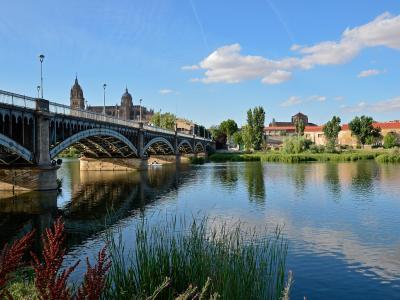
Castile and León
Salamanca
Castilian city with two historic cathedrals
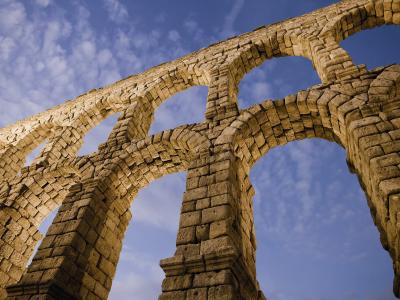
Castile and León
Segovia
Castilian city with Roman aqueduct and fairy-t castle
Castile and León
Valladolid
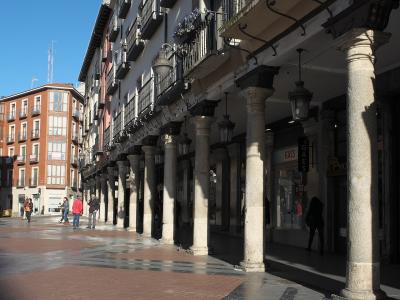
Castilian university city with historicist architecture
Castile and León
Toro
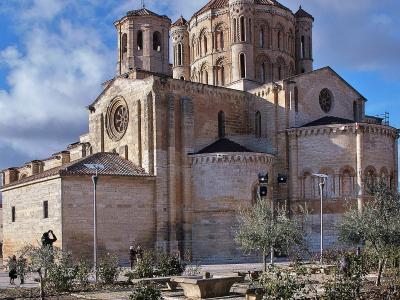
Golden Romanesque town above the Duero, famous for its collegiate church and red wine