History and Heritage
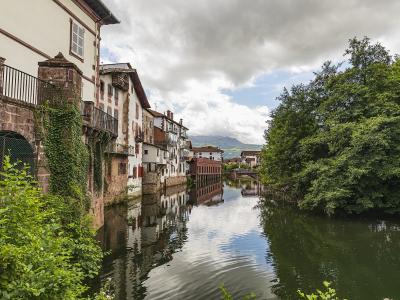
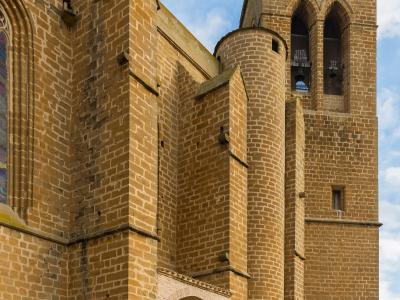
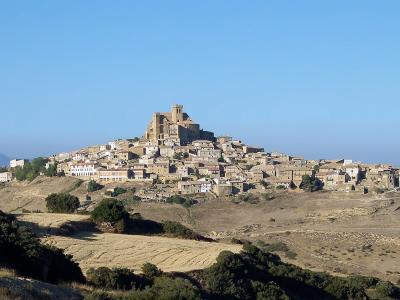
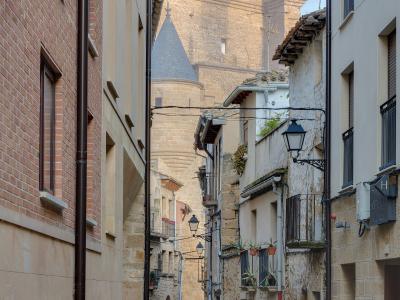
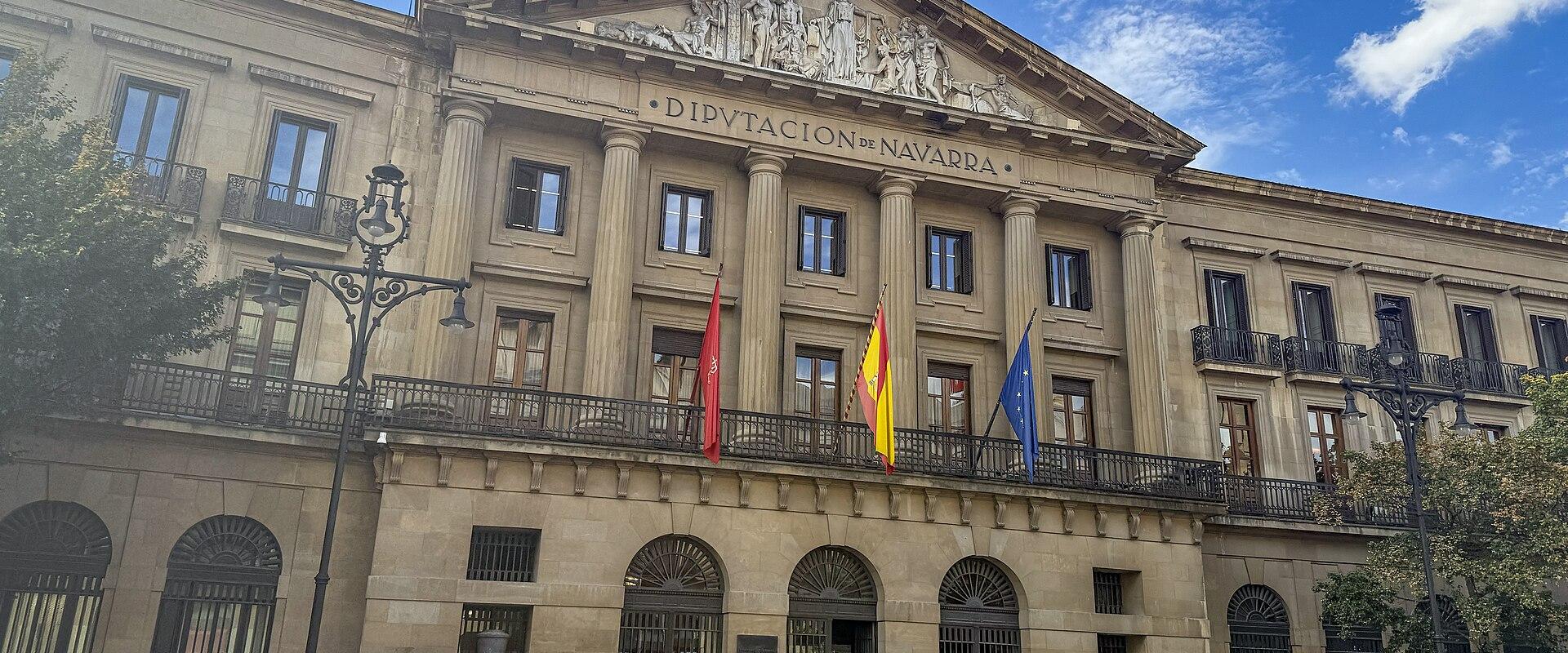
Pamplona, known locally as Iruña, is a city where history is not merely preserved but actively woven into the daily fabric of life. The city’s identity is deeply rooted in its medieval past, a legacy that is visible in the intricate network of narrow lanes and the imposing stone structures that define the old town. The most striking example of this heritage is the ancient city walls, which still stand tall in several sections, offering a tangible link to the region’s strategic importance in centuries past. These fortifications are not just historical artifacts; they are integral to the urban landscape, guiding visitors through a landscape that feels both ancient and vibrant. The city’s cultural identity is further enriched by its religious heritage, most notably the Cathedral of Santa María de la Antigua, a stunning example of Gothic and Baroque architecture that anchors the historic center. This blend of historical depth and modern vitality creates a unique atmosphere, where the past is not just remembered but actively experienced in the streets and plazas.
Main Attractions
The heart of Pamplona is the Plaza del Castillo, a lively square that serves as the social and cultural hub of the city. Here, locals and visitors alike gather to chat, relax, and enjoy the vibrant atmosphere, making it the perfect spot to observe the local way of life. The plaza is surrounded by historic buildings and is often the starting point for exploring the city’s many attractions. One of the most significant landmarks is the Cathedral of Santa María, a magnificent structure that combines Gothic and Baroque styles. Its intricate details and grand scale make it a must-visit for anyone interested in religious architecture. Another key attraction is the Ciudadela Park, a green oasis that offers a peaceful retreat from the bustling streets. The park’s serene environment, with its lush greenery and tranquil paths, provides a perfect contrast to the vibrant energy of the city center. Additionally, the old town’s narrow streets are lined with historic buildings, each telling a story of the city’s rich past.
Activities
Pamplona offers a variety of activities that cater to different interests. For food enthusiasts, the city is a paradise, with numerous pintxos bars offering a wide range of local delicacies. The San Nicolas and Estefan streets are particularly popular, offering a variety of tapas that are both delicious and affordable. Visitors are encouraged to explore these streets, sampling local specialties and enjoying the lively atmosphere. For those interested in nature, the city’s green spaces provide a perfect escape. The parks surrounding the city offer peaceful walks and a chance to connect with nature. Additionally, the city’s rich cultural heritage is highlighted through various festivals, such as the famous San Fermín in July, which attracts visitors from around the world. These festivals offer a unique opportunity to experience local traditions and celebrate the city’s cultural heritage.
Getting There
Pamplona is well-connected by road and rail, making it easily accessible from other parts of Spain. The city is served by a major railway station, which offers regular connections to major Spanish cities such as Madrid and Barcelona. For those traveling by car, the city is well-connected by a network of highways, making it easy to reach from other parts of Spain. The city’s central location also makes it a convenient base for exploring the surrounding region, including the nearby mountains and rural areas.
Best Time to Visit
The best time to visit Pamplona is during the spring and autumn months, when the weather is mild and the city is less crowded. The summer months, particularly July, are also popular, but the city can be crowded and hot. For those who prefer a more relaxed atmosphere, the spring and autumn months are ideal. The city’s festivals, such as the San Fermín in July, are a major draw, but visitors should be prepared for crowds and higher prices during this time. For a more peaceful experience, the spring and autumn months are the best time to visit.
Best time to visit
May through September offers warm, pleasant weather ideal for exploring the city.
What to see in Pamplona
Our picks first.
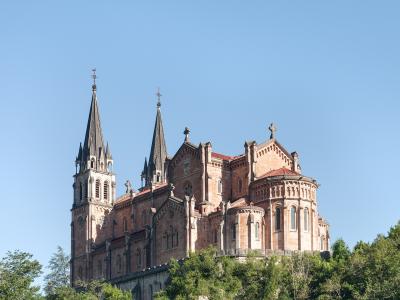
Basílica de Santa María la Real
From €3 Cathedrals · Historic Churches
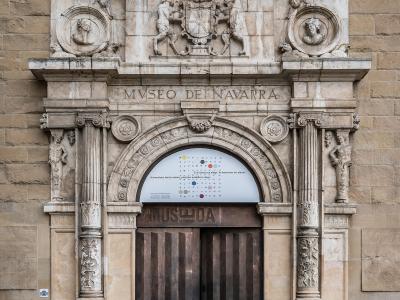
Navarre Museum
Archaeological Museums · History Museums
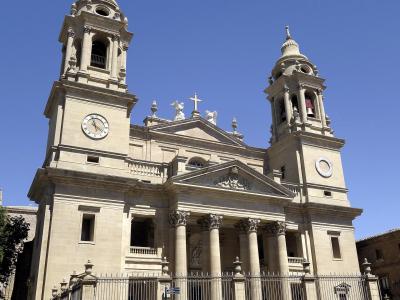
Cathedral of the Savior and the Holy Spirit
Historic Heritage · Architectural Heritage
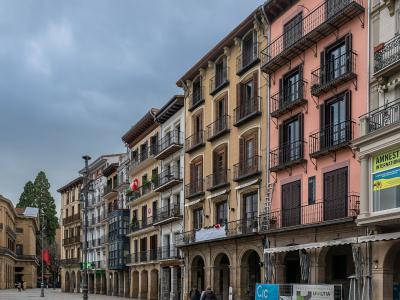
Plaza del Castillo
Free Architectural Heritage · Historic Districts
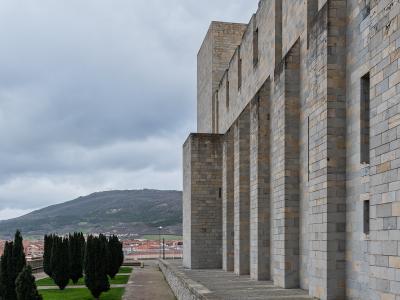
Palacio de los Reyes de Navarra
Historic Towers · Palaces
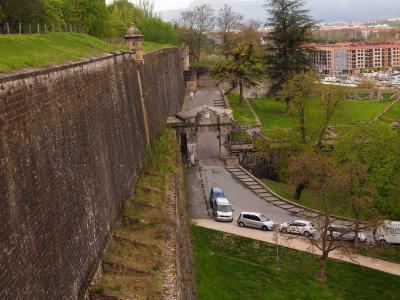
City Walls (La Mura)
Free Historic Districts · Historic Walls
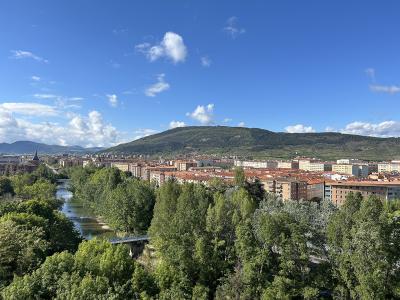
Parque de la Taconera
Free City Centers · Gardens
Pamplona by interest
The same sights, grouped by what you came for.
Planning a visit to Pamplona
Itineraries that include Pamplona
Good to know
- Currency
- EUR
- Language
- Spanish