
History
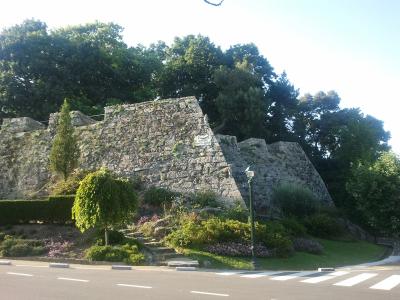
Vigo’s history is deeply rooted in its strategic position on the Atlantic coast, serving as a vital maritime hub for centuries. As the largest city in Galicia, it has long been a center for fishing and trade, with its economy historically driven by the rich waters of the Ría de Vigo. The city’s past is visible in its architecture, particularly in the Casco Vello (Old Town), where narrow stone lanes and historic squares reflect its medieval origins. The Castro Fortress, perched on Monte O Castro, stands as a testament to the city’s defensive history, offering insights into its role in protecting the region from naval threats. Over time, Vigo evolved from a modest fishing village into a bustling port city, blending its industrial heritage with a vibrant cultural identity. This historical tapestry is preserved in local museums and landmarks, providing visitors with a tangible connection to the city’s maritime legacy.
Main Attractions
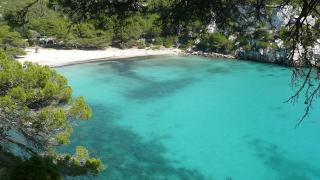
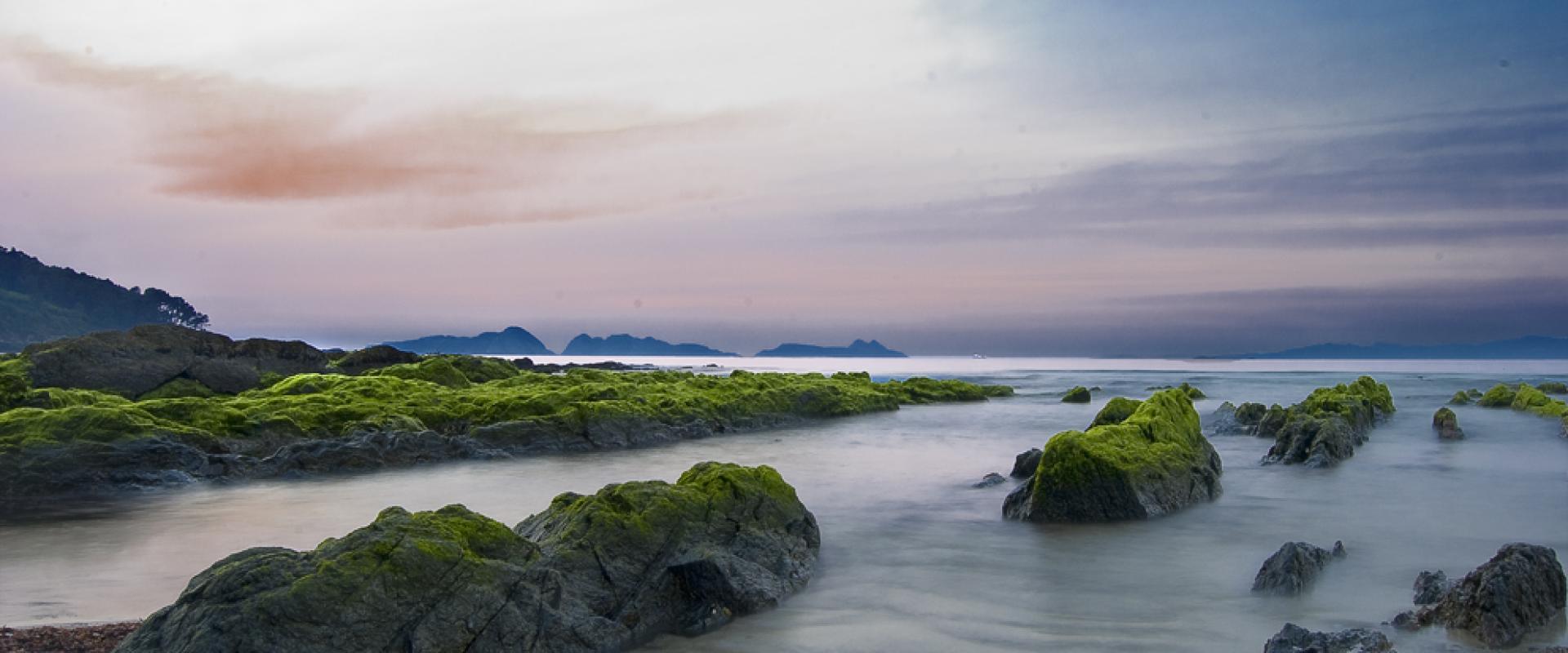
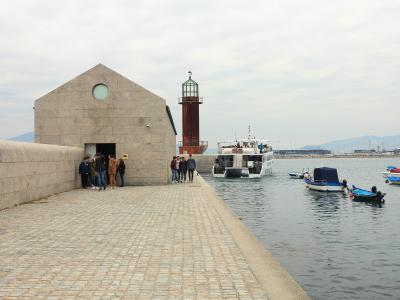
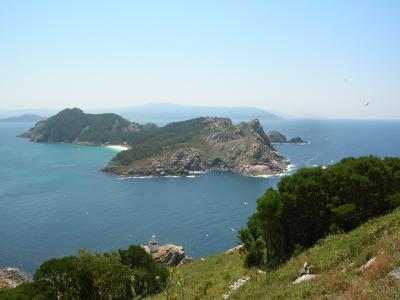
The primary attraction of Vigo is its proximity to the Cíes Islands, a UNESCO-protected archipelago known for their pristine white-sand beaches and crystal-clear waters. Accessible via ferry from the Vigo waterfront, these islands offer a serene escape into nature, with hiking trails through pine forests and opportunities for birdwatching. Within the city itself, the Castro Fortress provides panoramic views of the Ría de Vigo and the surrounding landscape, making it a must-visit for history and view enthusiasts. The Casco Vello, with its charming streets and street art, offers a glimpse into the local way of life, while the waterfront promenade invites leisurely strolls with stunning sea views. The Bouzas neighborhood, quieter and more residential, provides a relaxed atmosphere for enjoying local cuisine away from the central hustle.
Activities
Visitors to Vigo can engage in a variety of activities that highlight the city’s coastal character. Seafood is a central part of the experience, with fresh oysters and other marine delicacies available at stalls along the Rúa da Pescadería. Dining in the Bouzas neighborhood or the Casco Vello allows travelers to savor authentic Galician cuisine. For those interested in nature, the Cíes Islands offer extensive hiking and swimming opportunities, while the city’s hills provide challenging walks with rewarding vistas. The local tapas culture is another key activity, with bars and taverns scattered throughout the city offering a social and culinary experience. Additionally, the city’s compact size makes it easy to explore on foot, allowing visitors to discover hidden gems and local markets.
Getting There
Vigo is accessible via Vigo-Peinador Airport, which offers domestic flights from major Spanish cities. For international travelers, the nearest major airport is Santiago de Compostela, located approximately one hour away by car or bus. Once in Vigo, the city is well-connected by public transportation, including buses and taxis. The city center is walkable, but the hilly terrain may require some effort. Renting a car is recommended for those wishing to explore the surrounding areas, such as the Cíes Islands or the nearby towns of Galicia. Ferries to the Cíes Islands depart regularly from the Vigo waterfront, with schedules varying by season.
Best Time to Visit
The best time to visit Vigo is during the spring (April to June) and autumn (September to October) months, when the weather is mild and pleasant. These seasons offer ideal conditions for outdoor activities, such as hiking in the Cíes Islands or exploring the city’s historic sites. Summer months can be warm and crowded, particularly in July and August, while winter months are cooler and wetter, though still mild compared to other parts of Europe. Visiting during the shoulder seasons allows for a more relaxed experience, with fewer crowds and lower accommodation prices. The Atlantic climate ensures that Vigo is a viable destination year-round, but the spring and autumn months provide the most comfortable conditions for exploration.
Best time to visit
June through September offers warm, dry weather ideal for exploring the city.
What to see in Vigo
Our picks first.
Vigo by interest
The same sights, grouped by what you came for.
Did you know?
Checked facts about Vigo, each with its source.
-
Film & TV
Cinematic Hub for Spanish Drama
The city serves as a key filming location for major Spanish productions, including the 2002 film 'Los lunes al sol' starring Javier Bardet and Luis Tosar, and the series 'The Witcher'.
Source: www.royalcaribbean.com -
History
The 1809 Repulsion of French Forces
In 1809, during the Napoleonic Wars, the city of Vigo successfully repelled an invading French army, a significant defensive victory for the local population during the Peninsular War.
Source: www.galiciaguide.com
Planning a visit to Vigo
Itineraries that include Vigo
Good to know
- Currency
- EUR
- Language
- Spanish