

History
The history of Mérida is deeply rooted in the Roman Empire, serving as a testament to the grandeur of ancient Rome in the Iberian Peninsula. Founded in 25 BC by Emperor Augustus as Emerita Augusta, the city was established as a colony for retired veterans of the Legio V Alauda. It quickly became the capital of the Roman province of Lusitania, thriving as a center of administration, culture, and trade. The city’s strategic importance is evident in its well-preserved infrastructure, which includes bridges, temples, and theaters that have withstood the test of time. The legacy of Roman engineering and art is preserved in the city’s architecture, offering a tangible connection to the past. The blend of Roman heritage with later historical layers, including Moorish and Christian influences, creates a rich tapestry that defines the city’s unique character.
Main Attractions
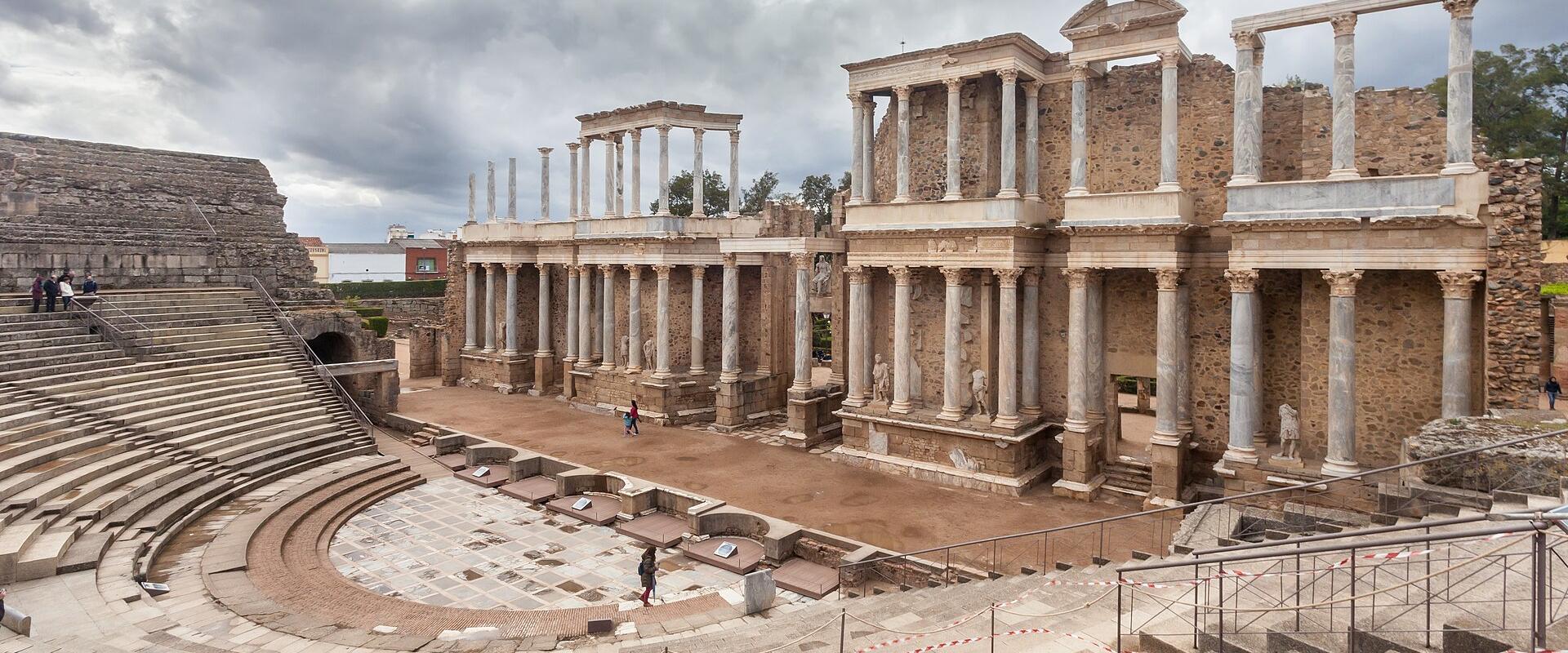
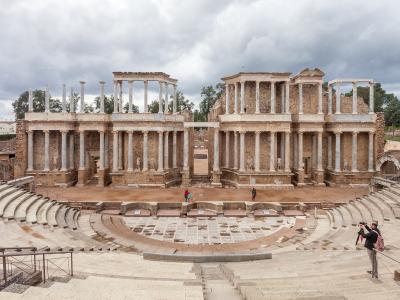
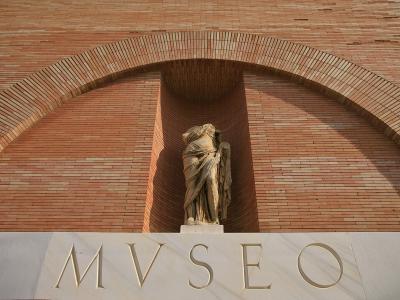
The primary attraction in Mérida is the Roman Theatre, one of the best-preserved ancient theaters in the world. Its impressive scale and intricate details offer a glimpse into the grandeur of Roman entertainment. Adjacent to the theater, the Amphitheatre stands as another significant landmark, showcasing the architectural sophistication of the era. The Temple of Diana, though partially ruined, remains a striking symbol of Roman religious architecture. The Roman Bridge, spanning the Guadiana River, is another iconic structure, connecting the two sides of the city and offering panoramic views. The National Museum of Roman Art, located nearby, houses an extensive collection of artifacts, including mosaics and sculptures, providing a deeper understanding of Roman life and culture.
Activities
Visitors to Mérida can engage in a variety of activities that highlight the city’s historical and cultural heritage. Exploring the ancient ruins is a primary activity, with guided tours available to provide context and insight into the historical significance of the sites. The city also hosts various cultural events and festivals throughout the year, such as the International Classical Theatre Festival, which celebrates the arts with performances and exhibitions. For those interested in a more relaxed experience, the city’s parks and gardens offer peaceful retreats, while local restaurants offer a taste of traditional Extremaduran cuisine. The combination of historical exploration and cultural immersion provides a rich and engaging experience for visitors.
Getting There
Mérida is well-connected by road and rail, making it accessible from major cities in Spain. The most convenient way to reach Mérida is by train, with regular services connecting the city to Madrid, Seville, and other major cities. The train journey from Madrid takes approximately 4.5 hours, offering a comfortable and scenic route. For those traveling by car, the A-66 highway provides easy access to the city, with a drive time of approximately 4 hours from Madrid. Public transportation, including buses, is also available, providing flexible options for travelers. Upon arrival, the city center is compact and walkable, making it easy to explore the main attractions on foot.
Best Time to Visit
The best time to visit Mérida is during the spring (April to June) and autumn (September to October) months. During these periods, the weather is mild and pleasant, with comfortable temperatures ideal for exploring the city’s historical sites. The summer months can be hot, with high temperatures that may be less comfortable for outdoor activities, while the winter months can be cool, with occasional rain. Visiting during the shoulder seasons allows for a more comfortable experience, with fewer crowds and lower accommodation prices. It is advisable to check the weather forecast before traveling and to book accommodation in advance, especially during peak tourist seasons.
Best time to visit
March through May and September through October offer pleasant weather for visiting.
What to see in Mérida
Our picks first.
Mérida by interest
The same sights, grouped by what you came for.
Did you know?
Checked facts about Mérida, each with its source.
-
Film & TV
Andy Garcia Films Cuban Exodus Drama
Cuban-American actor Andy Garcia, an Oscar nominee for 'The Godfather Part III,' traveled to Mérida to shoot 'Pedro Pan,' a film recreating a poignant episode of the Cuban exodus.
Source: theyucatantimes.com -
Film & TV
Netflix's Bandidos Shot in Mérida
The production team for the 2024 Netflix action-adventure comedy series 'Bandidos' chose Mérida as the primary hub for principal photography across its seven episodes.
Source: screenrant.com
Planning a visit to Mérida
Itineraries that include Mérida
Good to know
- Currency
- EUR
- Language
- Spanish