History
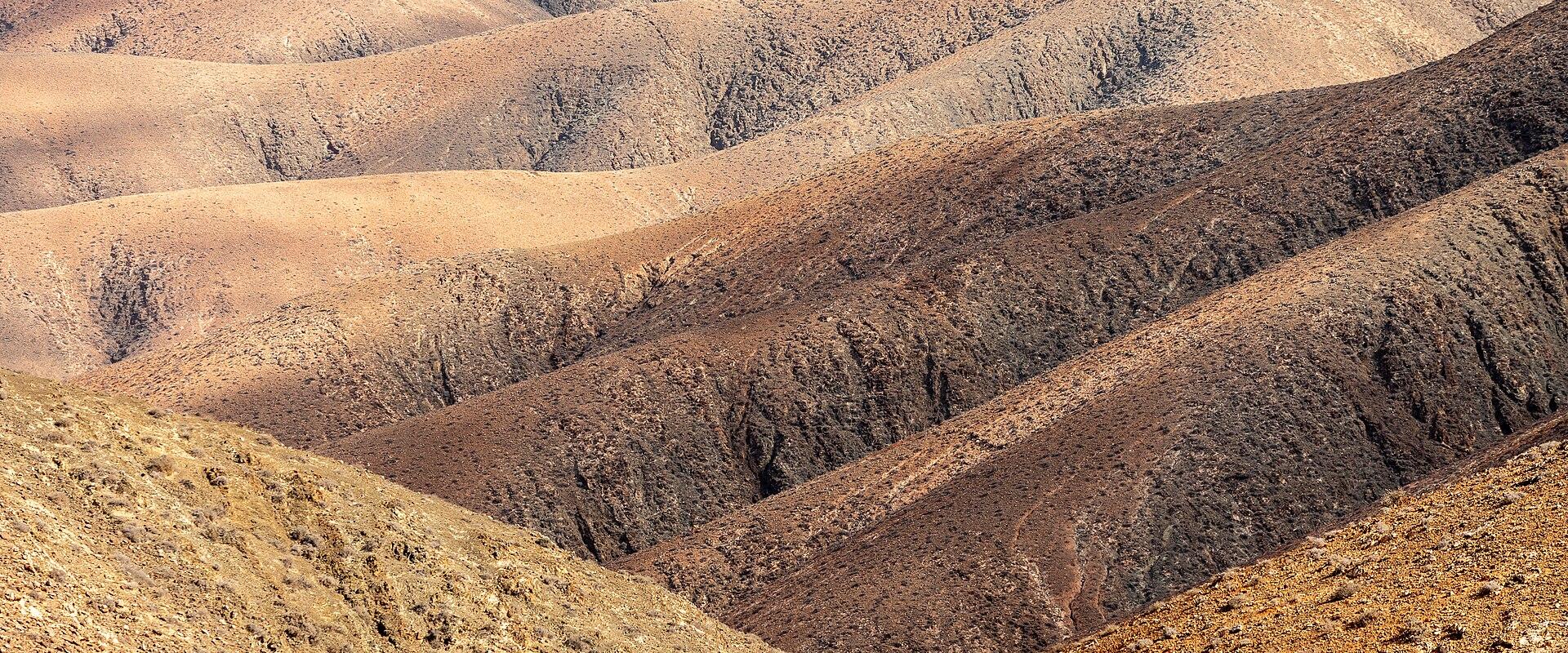
The history of Fuerteventura is deeply rooted in its isolation and the resilience of its early inhabitants. The island was first settled by the Guanches, the indigenous people of the Canary Islands, who lived in a simple, agrarian society. The name "Fuerteventura" itself, meaning "strong wind," reflects the island's constant exposure to the Atlantic trade winds, which have shaped both its landscape and the character of its people. Following the Spanish conquest in the 15th century, the island became part of the Spanish Crown, but its remote location meant it remained relatively isolated for centuries. This isolation preserved traditional ways of life, including traditional agricultural practices and local crafts, which remain an integral part of the island's cultural identity today.
Main Attractions
The primary attraction of Fuerteventura is its stunning natural landscape, dominated by vast, golden sand dunes and rugged volcanic terrain. The Corralejo Natural Park, a protected area of white sand dunes, is a highlight, offering a desert-like landscape that contrasts sharply with the surrounding blue waters. The park is home to unique flora and fauna, adapted to the arid conditions. Another key attraction is the village of Betancuria, the island's historic capital, which offers a glimpse into the island's past with its traditional architecture and quiet atmosphere. The natural beauty of the island, combined with its unique geological features, makes it a unique destination for nature lovers.
Activities
Fuerteventura is a haven for water sports enthusiasts, particularly for wind and kite surfing. The consistent wind conditions make it an ideal destination for these activities, with many schools offering lessons and equipment rental. Beyond water sports, visitors can enjoy hiking in the island's volcanic landscapes, exploring the diverse flora and fauna. The island also offers opportunities for horse riding, cycling, and golf. The local culture, with its traditional festivals and local cuisine, adds another layer of interest, allowing visitors to experience the local way of life.
Getting There
Fuerteventura is accessible via Fuerteventura Airport (FUE), on the east coast at El Matorral, a few kilometres south of the capital, Puerto del Rosario. The airport offers regular flights from major European cities, including direct flights from many European hubs. Upon arrival, visitors can take a taxi or bus to their accommodation, or rent a car, which is highly recommended for exploring the island. The island is small, and a car provides the flexibility to explore its diverse landscapes at one's own pace. Public bus services are also available, connecting major towns, but a car offers greater freedom.
Best Time to Visit
The best time to visit Fuerteventura is during the spring (April to June) and autumn (September to October) months. During these periods, the weather is warm and sunny, with temperatures ranging from 20°C to 25°C, making it ideal for outdoor activities. The summer months can be hot, with temperatures often exceeding 30°C, while the winter months are mild but can be windy. Visiting during the shoulder seasons offers a balance of good weather and fewer crowds, providing a more relaxed experience.
Best time to visit
June through September offers warm, dry weather ideal for beach activities.
What to see in Fuerteventura
Our picks first.
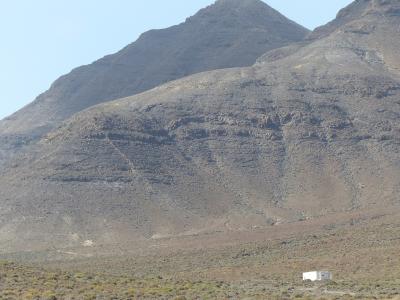
Jandía Natural Park
Free Coastal Views · Hiking Trails
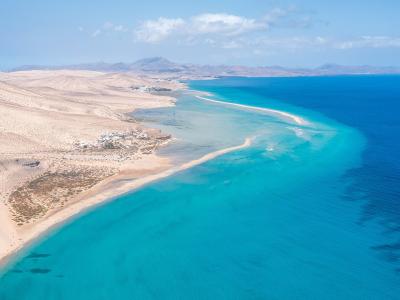
Playa de Sotavento
Beaches · Coastal Views
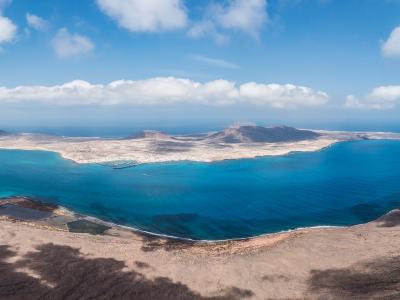
Mirador del Río
From €9 Architectural Heritage · Coastal Views
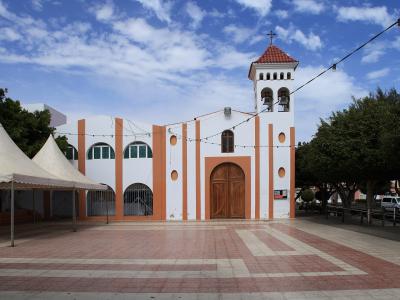
Iglesia de Nuestra Señora de la Candelaria
Free Architectural Heritage · Historic Churches
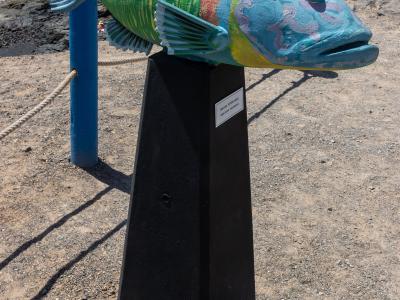
El Cotillo
Coastal & Beaches · Urban Exploration
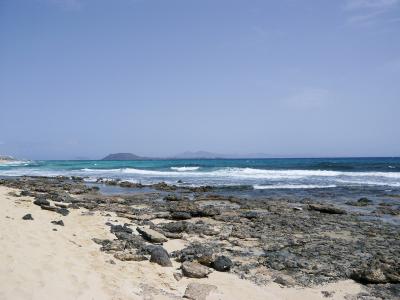
Isla de Lobos
Coastal Views · Hiking Trails
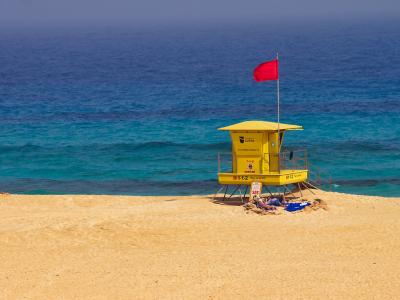
Parque Natural de Corralejo
Free Coastal & Beaches · Natural Parks
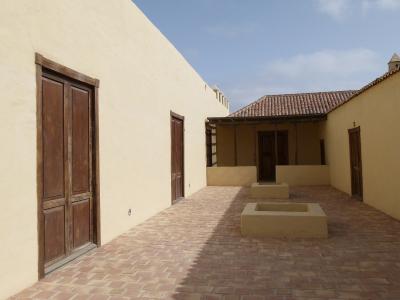
Casa de los Coroneles
Architectural Heritage · Historic Houses
Fuerteventura by interest
The same sights, grouped by what you came for.
Did you know?
Checked facts about Fuerteventura, each with its source.
-
Film & TV
Star Wars Connection
The 2018 film Solo: A Star Wars Story was partially filmed on the island, utilizing its unique landscape as a backdrop for the production.
Source: moviescenemap.com
Planning a visit to Fuerteventura
Itineraries that include Fuerteventura
Good to know
- Currency
- EUR
- Language
- Spanish
Quick Facts
Book your stay
Questions people ask
More places in Canary Islands
Canary Islands
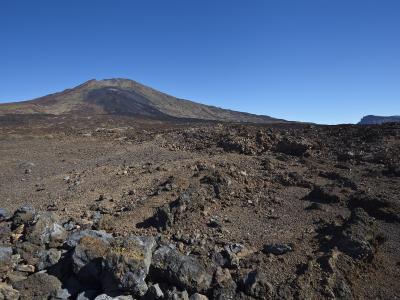
Tenerife
Volcanic island with Spain's highest peak
Canary Islands
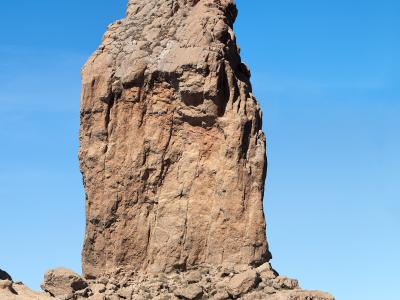
Gran Canaria
Volcanic island with diverse landscapes and iconic rock formations
Canary Islands
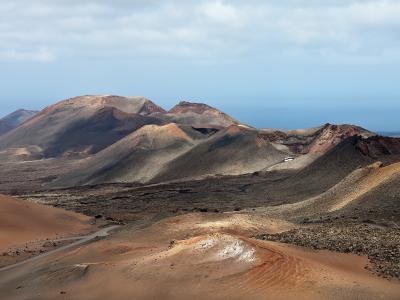
Lanzarote
Volcanic island with unique landscapes and protected natural parks
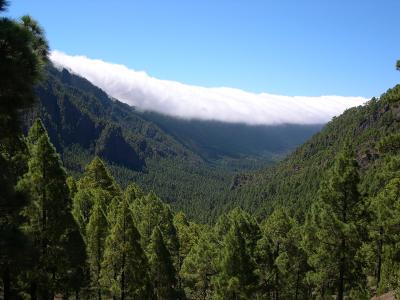
Canary Islands
La Palma
Biosphere reserve with volcanic peaks and laurel forests