







History
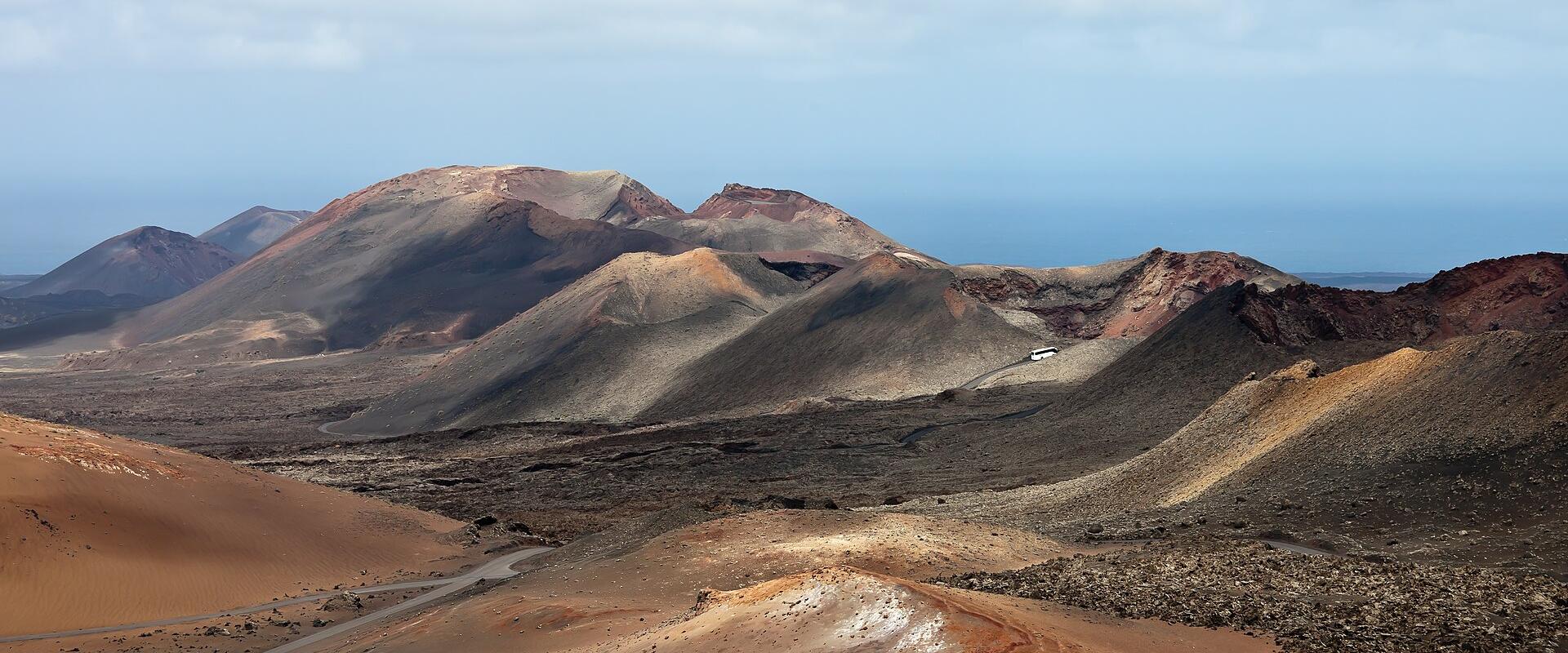
Lanzarote’s history is deeply intertwined with the volcanic forces that shaped its landscape. The island was formed by volcanic eruptions, the most recent significant activity occurring in the 18th century, which created the Montañas del Fuego (Mountains of Fire). This geological event, along with the unique volcanic soil, has defined the island’s character and agricultural practices. The local culture is a blend of traditional Canarian traditions and the influence of artists who have been drawn to the island’s unique aesthetic. The work of César Manrique, a Lanzarote native, has had a profound impact on the island’s architecture and landscape, integrating modern art with the natural environment in a way that preserves the island’s unique character.
Main Attractions
The island’s primary attraction is its dramatic volcanic landscape. Timanfaya National Park, a protected area, offers a surreal, lunar-like experience with its black lava fields, geothermal vents, and unique rock formations. The park is accessible by bus, allowing visitors to experience the heat and geology without disturbing the fragile ecosystem. Another key attraction is the Jameos del Agua, a cultural center built inside a lava tube, featuring a natural lake, a concert hall, and a restaurant. The Cueva de los Verdes, a lava tube network, offers a guided tour through underground tunnels, showcasing the geological history of the island. The Mirador del Río, a cultural center designed by César Manrique, offers panoramic views of the neighboring island of La Gomera and the Los Lobos islet.
Activities
Visitors to Lanzarote can engage in a variety of activities, from exploring the island’s unique geology to enjoying its beaches. Hiking is a popular activity, with trails leading through the volcanic landscape, including the Timanfaya National Park and the Los Volcanes Natural Park. Water sports are also popular, with opportunities for diving, snorkeling, and sailing. The island’s clear waters and diverse marine life make it an ideal destination for these activities. For those interested in culture, visiting the local markets and museums provides insight into the island’s history and traditions. The annual Carnival is a major event, featuring parades, music, and traditional costumes.
Getting There
Lanzarote is accessible via Lanzarote Airport (ACE), which is located close to the island’s main tourist areas. The airport offers direct flights from many European cities, including Madrid, Barcelona, London, and Berlin. Upon arrival, visitors can reach their accommodation via taxi or public bus. The island is small, and transportation is relatively easy, with a network of buses connecting the main towns and tourist areas. Renting a car is also a popular option, providing greater flexibility for exploring the island’s diverse landscapes.
Best Time to Visit
Lanzarote enjoys a mild, subtropical climate year-round, making it a suitable destination for travel at any time of the year. The island’s climate is characterized by warm, dry summers and mild, pleasant winters. The best time to visit is during the spring (March to May) and autumn (September to October) months, when the weather is warm and sunny, but the crowds are smaller. Summer months can be hot, with temperatures often exceeding 30°C, while winter months are mild, with average temperatures around 20°C. The island’s consistent climate makes it a year-round destination, but the shoulder seasons offer the most comfortable conditions for exploring.
Best time to visit
October to May offers mild weather and fewer crowds, ideal for exploring the island.
What to see in Lanzarote
Our picks first.
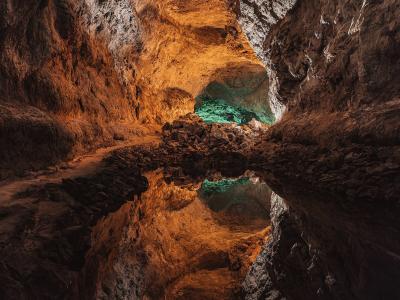
Cueva de los Verdes
Guided underground route through Lanzarote's La Corona lava tube
Geological Sites · Natural Parks
La Cueva de los Verdes
Educational Sites · Geological Sites
Castillo de San José
From €5.40 Art Museums · Castles
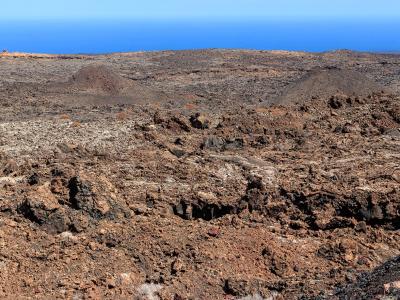
Timanfaya National Park
Geological Sites · Hiking Trails
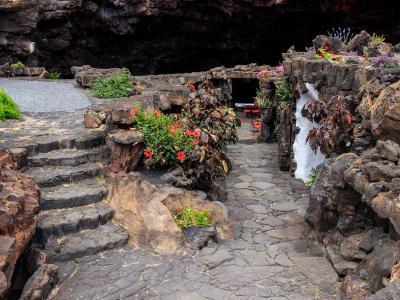
Jameos del Agua
From €8.50 Art Museums · Gardens
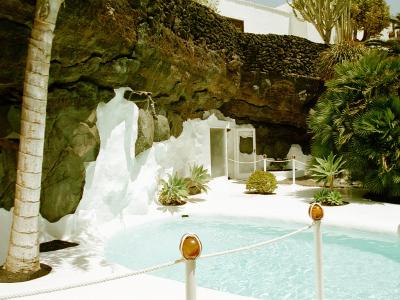
Fundación César Manrique
Architectural Heritage · Art Museums
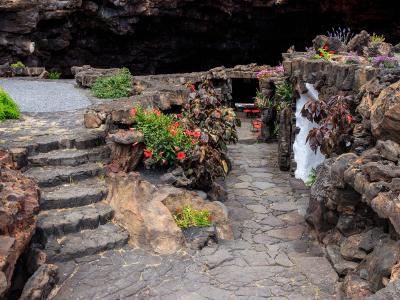
Los Jameos
Architectural Heritage · Cultural Centers
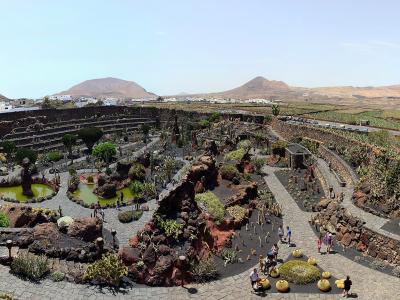
Jardín de Cactus
Museums & Culture · Nature & Outdoors
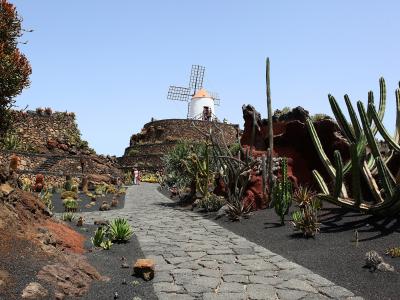
Jardín de Acolada
From €22 Architectural Heritage · Educational Sites
Lanzarote by interest
The same sights, grouped by what you came for.
Did you know?
Checked facts about Lanzarote, each with its source.
-
Film & TV
In the Heart of the Sea Filmed Here
The island served as a filming location for the movie 'In the Heart of the Sea' (2015), adding to the more than fifty national and international productions shot there over the decades.
Source: moviescenemap.com -
Film & TV
Foundation TV Series Filmed Here
The series 'Foundation' was filmed on the island, continuing the tradition of the location being used for major productions, with the series broadcast on the Apple TV+ platform in 2021 and 2022.
Source: film.turbi-lanzarote.com
Planning a visit to Lanzarote
Itineraries that include Lanzarote
Good to know
- Currency
- EUR
- Language
- Spanish
Quick Facts
Book your stay
Questions people ask
More places in Canary Islands
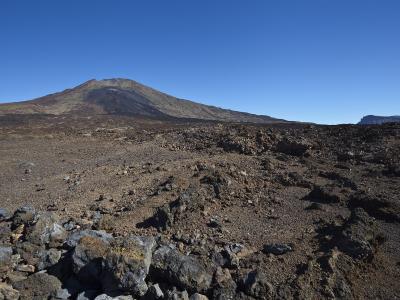
Canary Islands
Tenerife
Volcanic island with Spain's highest peak
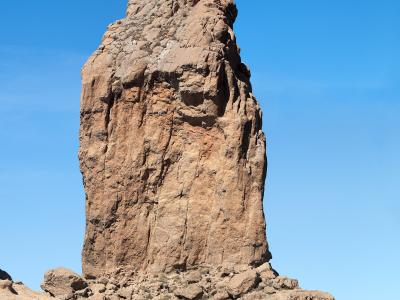
Canary Islands
Gran Canaria
Volcanic island with diverse landscapes and iconic rock formations
Canary Islands
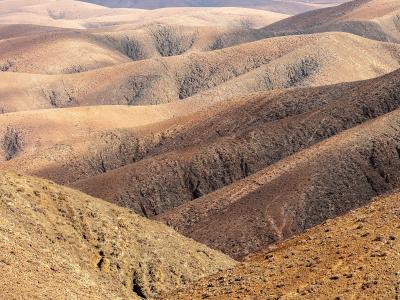
Fuerteventura
Canary Island with vast sand dunes and surfing
Canary Islands
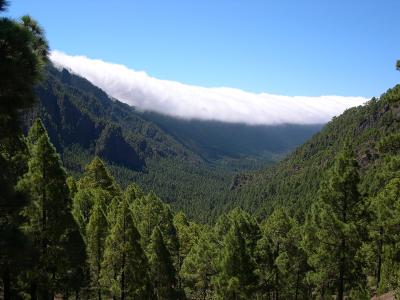
La Palma
Biosphere reserve with volcanic peaks and laurel forests