
History and Cultural Heritage
Valladolid’s history is defined by its pivotal role in the Spanish Empire. In the early 17th century, it served as the de facto capital of Spain, hosting the royal court and becoming a center of political and cultural power. This era left an indelible mark on the city’s architecture, particularly in the form of Renaissance and Gothic structures. The city was also a hub for the arts, fostering a rich tradition in sculpture and painting. The National Sculpture Museum, housed in the former Colegio de San Gregorio, preserves works from convents dissolved in the 19th century, offering a glimpse into this artistic golden age. Additionally, Valladolid is deeply connected to Spanish literature, being the birthplace of Miguel de Cervantes, who wrote the first part of Don Quixote here. This literary heritage is celebrated throughout the city, adding a layer of intellectual depth to its historical narrative.
Main Attractions
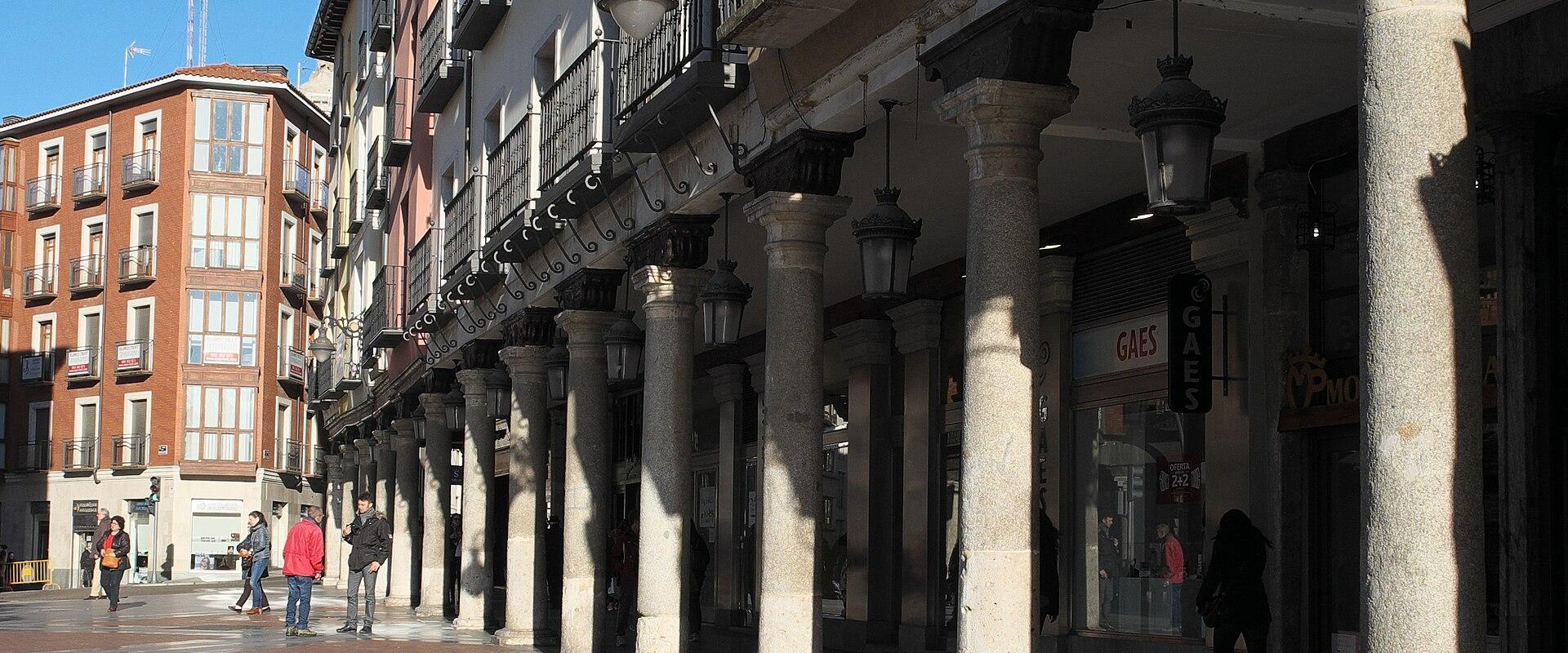
The heart of Valladolid is the Plaza Mayor, a grand square surrounded by elegant buildings that serve as the social hub of the city. Here, locals and visitors gather to enjoy the vibrant atmosphere, with cafes and terraces providing a perfect spot for people-watching. The Cathedral of Valladolid, with its distinctive unfinished facade, is a striking example of Renaissance architecture. Nearby, the Church of San Pablo showcases exquisite Gothic design, featuring intricate stone carvings and a serene interior. The National Sculpture Museum is a must-visit, housing a world-class collection of religious sculptures and paintings. The Palacio de Santa Cruz, a 15th-century palace, now serves as part of the university and offers free access to its beautiful cloisters and gardens. For a touch of nature, the Campo Grande Park provides a tranquil escape, with scenic pathways, fountains, and roaming peacocks.
Activities
Visitors to Valladolid can engage in a variety of activities that highlight its cultural and culinary richness. A walking tour through the historic center allows for an intimate exploration of the city’s architecture and hidden courtyards. The city’s tapas scene is particularly lively, with numerous bars offering small plates and local wines. Traditional Castilian dishes, such as lechazo asado (roasted suckling lamb), are staples of the local cuisine and can be found in many traditional restaurants. For those interested in literature, a visit to the Cervantes House provides insight into the life of the famous author. The city also hosts various cultural events and festivals throughout the year, celebrating its artistic and historical heritage.
Getting There
Valladolid is well-connected by rail and road. The city has its own airport, Valladolid Airport (VLL), which offers domestic flights. For international travelers, the nearest major airports are in Madrid and Barcelona, with regular train connections to Valladolid. The AVE high-speed train connects Valladolid to Madrid in approximately 1.5 hours, making it an easy day trip or overnight stay. Within the city, the historic center is compact and easily explored on foot, though a network of buses and taxis also serves the wider urban area.
Best Time to Visit
The best time to visit Valladolid is during the spring (April to June) and autumn (September to October) months. During these periods, the weather is mild and pleasant, with comfortable temperatures for exploring the city’s outdoor attractions. The summer months can be hot, with high temperatures that may be uncomfortable for some travelers. The winter months are cooler but generally mild, with occasional frost. The shoulder seasons offer the best balance of comfortable weather and fewer crowds, allowing for a more enjoyable experience of the city’s cultural and historical sites.
Best time to visit
May through September offers warm, dry weather ideal for exploring the historic center.
What to see in Valladolid
Our picks first.
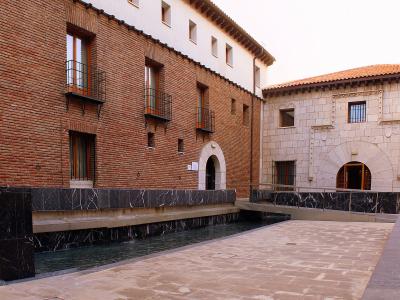
Casa de Colón
From €2 Cultural Centers · History Museums
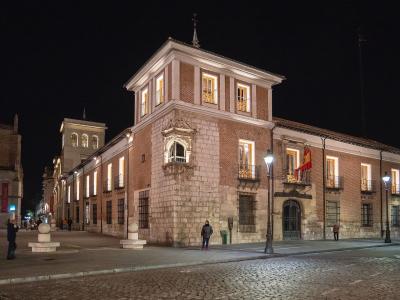
Palacio de Pimentel
Architectural Heritage · Historic Houses
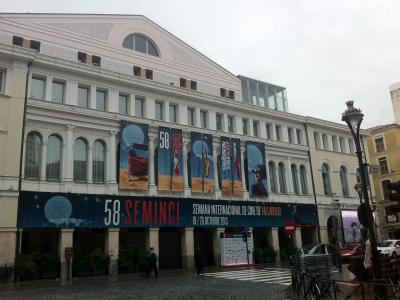
Teatro Calderón
Museums & Culture · Urban Exploration
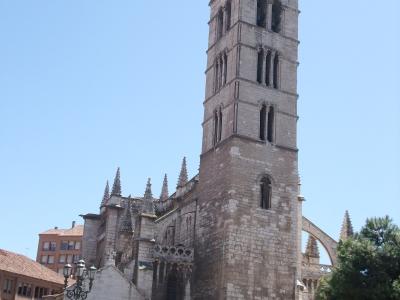
Iglesia de Santa María la Antigua
Architectural Heritage · Historic Churches
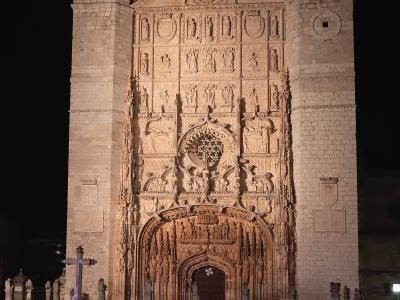
Iglesia de San Pablo
Architectural Heritage · Historic Churches
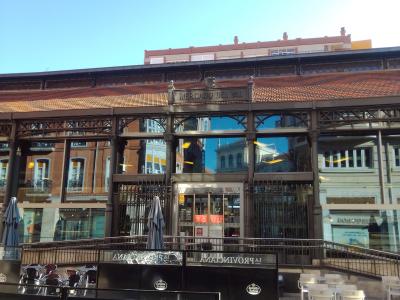
Mercado del Val
Free Architectural Heritage · Markets
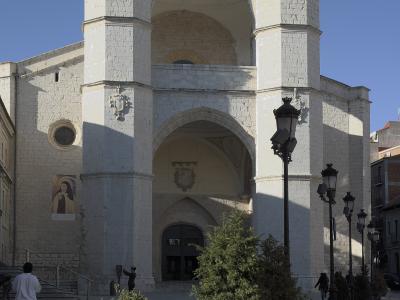
Monastery of San Benito el Real
Historic Churches · Monasteries
Valladolid by interest
The same sights, grouped by what you came for.
Did you know?
Checked facts about Valladolid, each with its source.
-
History
The Secret Union of the Catholic Monarchs
In 1469, Isabella of Castile and Ferdinand of Aragon were secretly married in Valladolid. This event was a pivotal moment in Spanish history, as it laid the groundwork for the unification of Spain.
Source: www.kupi.com
Planning a visit to Valladolid
Itineraries that include Valladolid
Good to know
- Currency
- EUR
- Language
- Spanish
Quick Facts
Book your stay
Questions people ask
More places in Castile and León
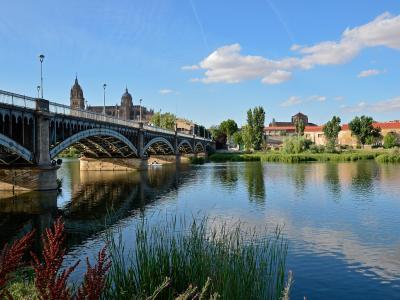
Castile and León
Salamanca
Castilian city with two historic cathedrals
Castile and León
Segovia
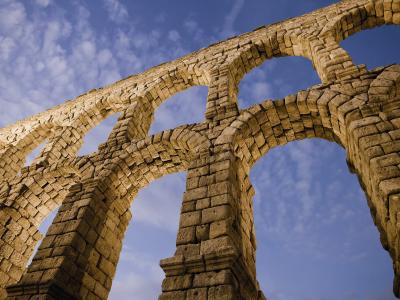
Castilian city with Roman aqueduct and fairy-t castle
Castile and León
Burgos
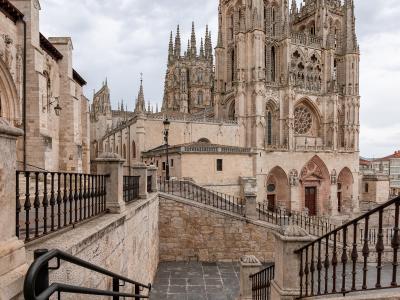
Medieval cathedral city on the Camino de Santiago
Castile and León
Toro
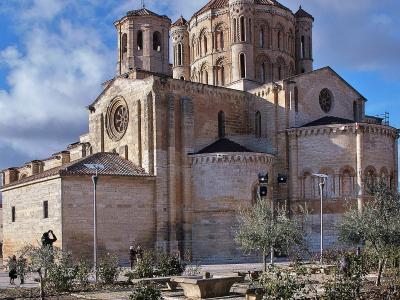
Golden Romanesque town above the Duero, famous for its collegiate church and red wine