







Segovia
Castilian city with Roman aqueduct and fairy-t castle
History and Cultural Heritage
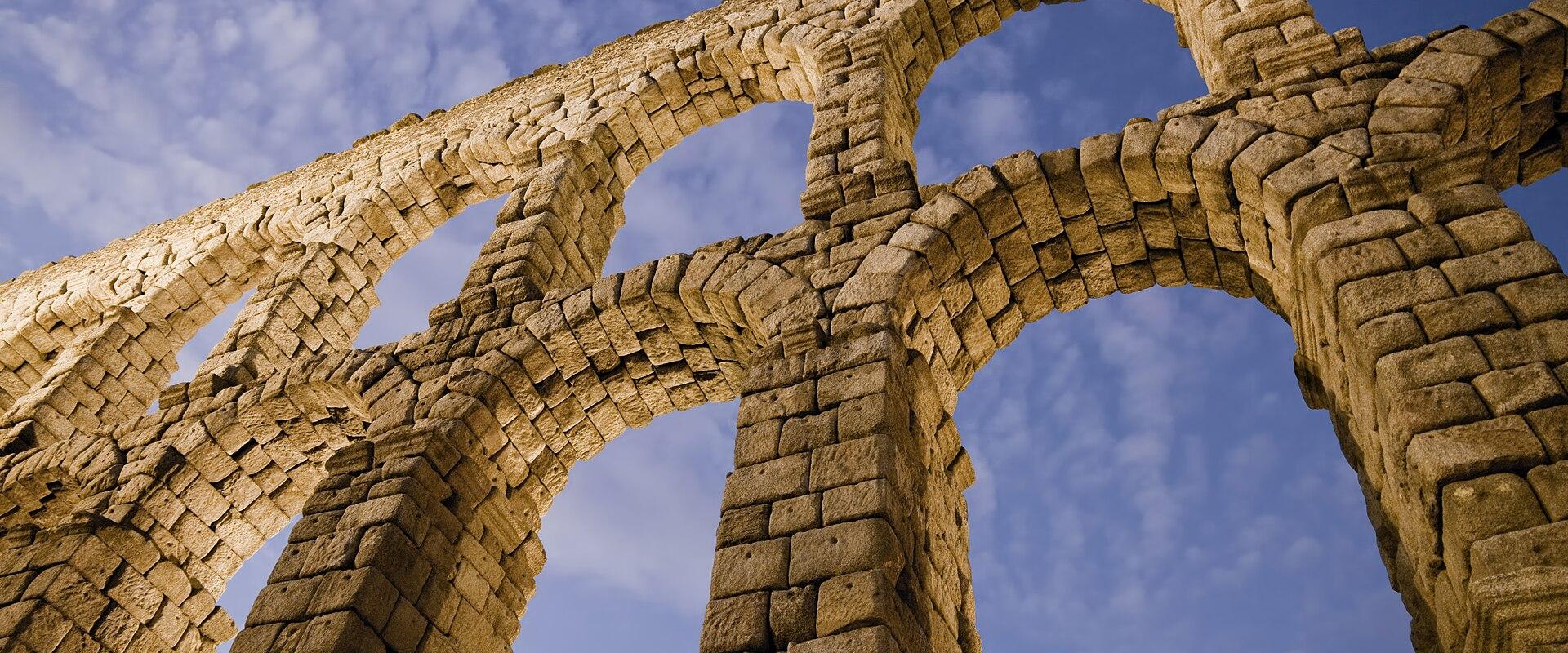
Segovia’s history is a layered tapestry of Roman, Moorish, and Christian influences, preserved with remarkable integrity. The city’s strategic location on a rocky outcrop 1,000 meters above sea level has provided natural defense for centuries. The Romans established a significant presence here, leaving behind the iconic Aqueduct, a testament to their engineering prowess. This structure, built without mortar, stands as a silent witness to the passage of time. Following the Roman era, the region saw various rulers, including the Moors, who left their mark before the Christian Reconquista. The city’s historic center, a UNESCO World Heritage site, reflects this rich tapestry, blending ancient Roman infrastructure with medieval and Renaissance architecture. The preservation of these historical elements offers a tangible connection to the past, allowing visitors to step back in time while exploring the vibrant streets of the present.
Main Attractions
The crown jewel of Segovia is the Roman Aqueduct, a monumental structure of granite blocks that has stood for nearly two millennia. Its 167 arches dominate the Plaza de la Constitución, serving as a powerful symbol of the city’s ancient heritage. Adjacent to the aqueduct is the Alcázar of Segovia, a fairy-tale fortress with pointed towers that rise dramatically against the sky. This castle, often cited as an inspiration for Disney’s Cinderella Castle, offers panoramic views of the surrounding landscape. The Segovia Cathedral, the last Gothic cathedral built in Spain, stands as another architectural masterpiece, featuring intricate stone carvings and a serene interior. These landmarks are not just historical artifacts but integral parts of the city’s identity, drawing visitors from around the world to experience their grandeur.
Activities
Visitors to Segovia can engage in a variety of activities that highlight the city’s cultural and natural beauty. Walking through the historic center is a must, with narrow streets and quiet squares offering a glimpse into the past. The local cuisine is a highlight, with traditional dishes like cochinito asado (roasted suckling pig) available in many local restaurants. For a more relaxed experience, visitors can stroll along the Paseo del Coso, enjoying the views of the Aqueduct. The city also offers a range of cultural experiences, including museum visits and guided tours that provide deeper insights into the region’s history and traditions.
Getting There
Segovia is easily accessible from Madrid, with a travel time of approximately 30 to 40 minutes by high-speed train. Renfe operates frequent services from Madrid Chamartín and Atocha stations to Segovia-Guiomar station. From the station, a short walk or local bus ride takes visitors to the historic center. Alternatively, visitors can drive, with the journey taking about an hour via the A-1 highway. The road is well-maintained, and clear signage guides travelers to the city. Public transport is efficient and affordable, making it an accessible option for all travelers.
Best Time to Visit
The best time to visit Segovia is during the spring (April to June) and autumn (September to October) months. During these periods, the weather is mild and pleasant, with comfortable temperatures for exploring the city. The summer months can be hot, with high temperatures that may be uncomfortable for outdoor activities. The winter months are cold, but the city retains its charm, with fewer crowds. The ideal time to visit is during the shoulder seasons, when the weather is pleasant and the crowds are smaller, allowing for a more relaxed and immersive experience.
Best time to visit
May through September offers warm, sunny weather ideal for exploring the historic center.
What to see in Segovia
Our picks first.
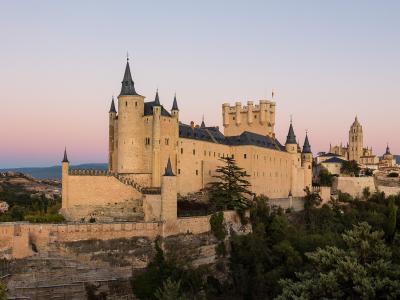
Alcázar of Segovia
Castles · Historic Towns
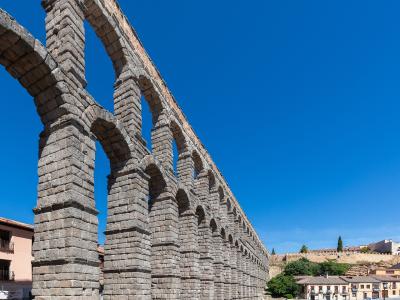
Segovia Aqueduct
Historic Heritage · Urban Exploration
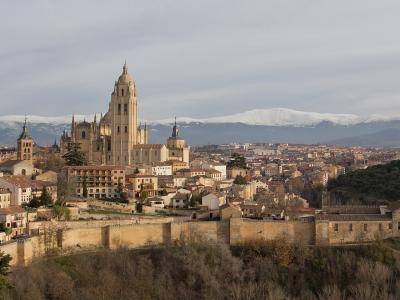
Segovia Cathedral
Historic Heritage · Architectural Heritage
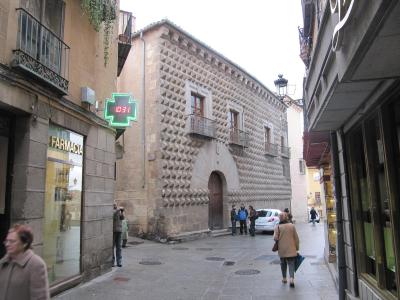
Casa de los Picos
Architectural Heritage · Historic Houses
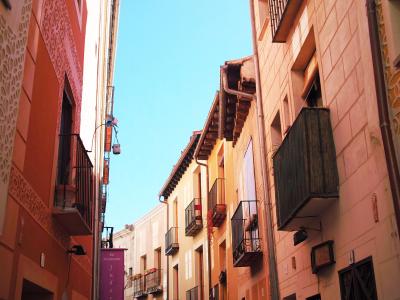
Jewish Quarter (Judería)
Architectural Heritage · Historic Districts
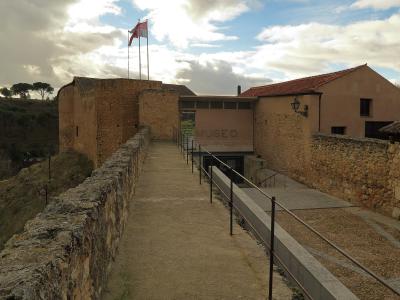
Segovia Art Museum (Museo de Segovia)
Art Museums · Historic Houses

Segovia Roast Pig (Cochinillo Asado)
Museums & Culture · Urban Exploration
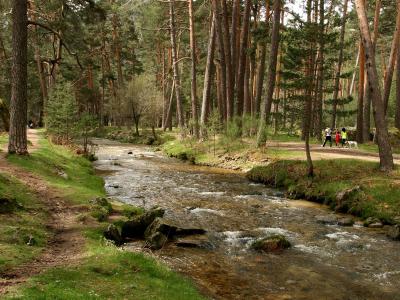
Parque del Río Eresma
Free Nature & Outdoors · Urban Exploration
Segovia by interest
The same sights, grouped by what you came for.
Did you know?
Checked facts about Segovia, each with its source.
-
Film & TV
Kingdom of Heaven Location
The 2005 film Kingdom of Heaven, directed by Ridley Scott, was partially filmed at the Alcazar of Segovia and other local sites.
Source: en.wikipedia.org
Planning a visit to Segovia
Itineraries that include Segovia
Good to know
- Currency
- EUR
- Language
- Spanish
Quick Facts
Book your stay
Questions people ask
More places in Castile and León
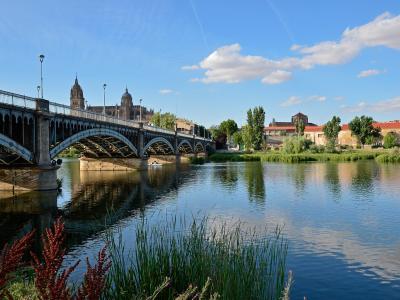
Castile and León
Salamanca
Castilian city with two historic cathedrals
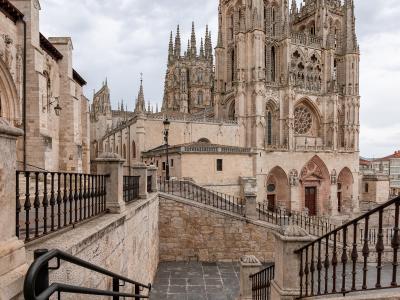
Castile and León
Burgos
Medieval cathedral city on the Camino de Santiago
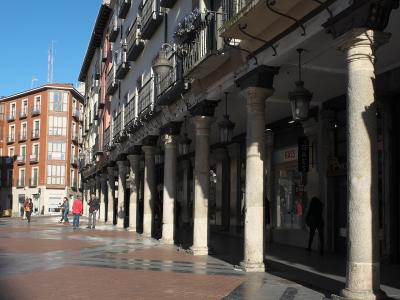
Castile and León
Valladolid
Castilian university city with historicist architecture
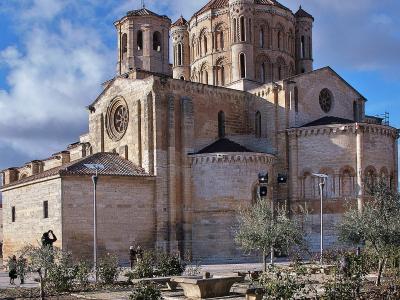
Castile and León
Toro
Golden Romanesque town above the Duero, famous for its collegiate church and red wine