

History
The history of A Coruña is deeply rooted in its strategic position on the Atlantic coast, serving as a gateway between Europe and the wider world. The city’s origins are ancient, with evidence of Roman settlement, but its most significant historical milestone is the defense against the English fleet in 1589. Led by the local heroine María Pita, the citizens successfully repelled the attack, a feat that cemented the city’s reputation for resilience and bravery. This event is celebrated annually and is central to the local identity. The historic center, or Cidade Vella, retains the charm of its past, with narrow streets and traditional architecture that reflect centuries of trade and cultural exchange. The city’s history is not just a relic of the past but a living part of its current identity, visible in the architecture and the pride of its residents.
Main Attractions
The most iconic landmark in A Coruña is the Tower of Hercules, a Roman lighthouse that is the oldest in the world still in use. This UNESCO World Heritage Site offers panoramic views of the Atlantic and the city, providing a tangible connection to the region’s ancient past. The Tower’s 55-meter height can be reached by climbing 234 steps, offering a rewarding perspective of the coastline. Another key attraction is the Paseo Marítimo, a scenic promenade that stretches along the coast, offering stunning views of the ocean and the city’s skyline. The Praza de María Pita in the old town serves as the social hub, surrounded by historic buildings and vibrant cafés. The Domus, or the House of Knowledge, is a modern architectural marvel that complements the historic sites, offering a unique blend of science and culture.
Activities
Visitors to A Coruña can engage in a variety of activities that highlight the city’s unique character. The Paseo Marítimo is ideal for leisurely strolls, offering breathtaking views of the Atlantic and the opportunity to watch the sunset. The beaches of Riazor and Orzán are popular for swimming and sunbathing, with the former being particularly popular for its wide, sandy expanse. For those interested in culture, the Domus and the Museo de Bellas Artes offer engaging exhibitions that explore both natural history and local art. The city also hosts various festivals and events throughout the year, celebrating local traditions and culture. The combination of natural beauty and cultural richness provides a diverse range of experiences for visitors.
Getting There
A Coruña is easily accessible by air, with the A Coruña Airport (LFC) located approximately 10 kilometers from the city center. The airport offers domestic flights from major Spanish cities, as well as some international connections. For those arriving by train, the A Coruña train station is well-connected to the rest of Spain, with frequent services from Madrid, Barcelona, and other major cities. The station is located in the city center, making it convenient to access the main attractions. For those who prefer to drive, the city is well-connected by the A-6 and AP-9 highways, providing easy access from other parts of Spain.
Best Time to Visit
The best time to visit A Coruña is during the spring (April to June) and autumn (September to October) months. During these periods, the weather is mild and pleasant, with temperatures ranging from 15°C to 20°C, making it ideal for outdoor activities. The summer months can be warm, but the Atlantic breeze provides a cooling effect. The winter months are cooler and wetter, but the city’s vibrant atmosphere remains intact. Visiting during the shoulder seasons allows for a more relaxed experience, with fewer crowds and lower accommodation prices. It is advisable to check the weather forecast before traveling, as the Atlantic weather can be unpredictable.
Best time to visit
June through September offers warm, dry weather ideal for exploring the coastal city.
What to see in A Coruna
Our picks first.
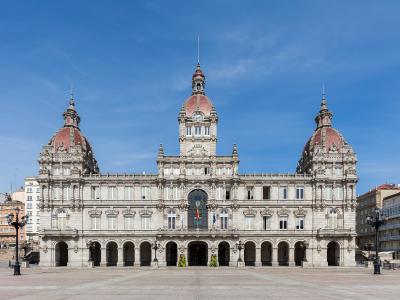
Parque de María Pita
City Centers · Town Halls
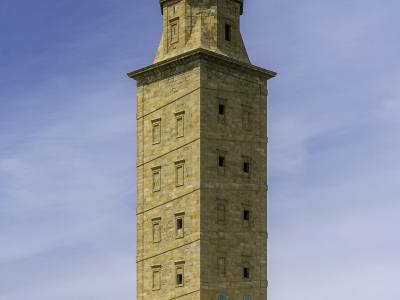
Tower of Hercules
Archaeological Museums · Historic Towers
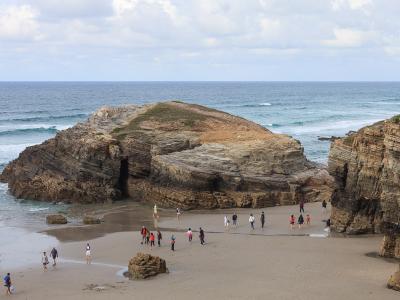
Praia das Catedrais
Free Coastal & Beaches · Nature & Outdoors
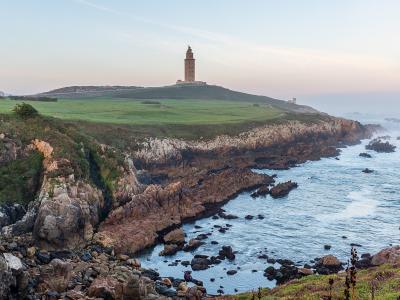
Torre de Hércules Visitor Center
Historic Towers · History Museums
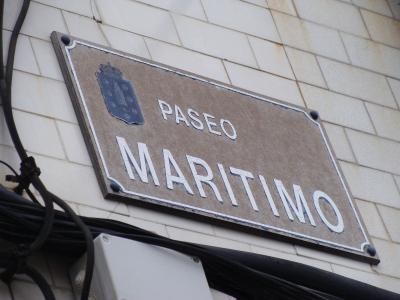
Paseo Marítimo
Free City Centers · Coastal Views
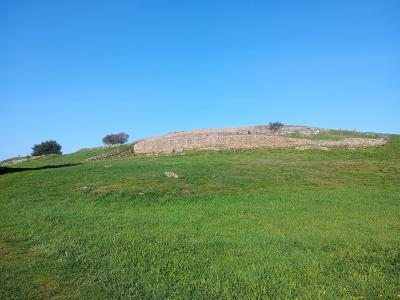
Castro de Elviña
Free Ancient Ruins · Archaeological Museums
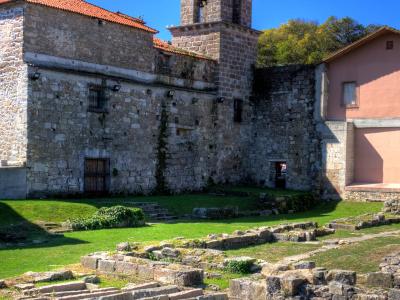
Iglesia de San Francisco
Architectural Heritage · Historic Churches
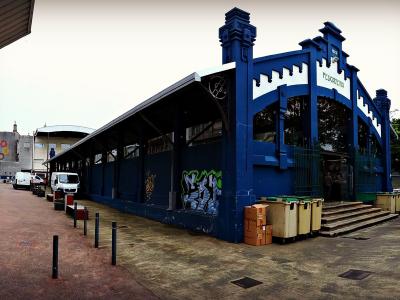
Mercado Central
Free City Centers · Coastal Views
A Coruna by interest
The same sights, grouped by what you came for.
Did you know?
Checked facts about A Coruna, each with its source.
-
Notable Person
The Heroine Who Stopped the English
In 1589, Maria Pita led a group of women in repelling an English attack on the city, a legendary feat of defense that has made her a local icon.
Source: www.kdn.net
Planning a visit to A Coruna
Itineraries that include A Coruna
Good to know
- Currency
- EUR
- Language
- Spanish