
The Celestial Canopy Above the Sierra
The Sierra de Baza does not merely offer stargazing; it demands your full attention. At nearly 2,100 meters, the air is thin and biting, scrubbing away the atmospheric haze that dulls views in lower elevations. This altitude creates a stark boundary between the dusty, light-polluted valleys and the sharp, cold clarity above.
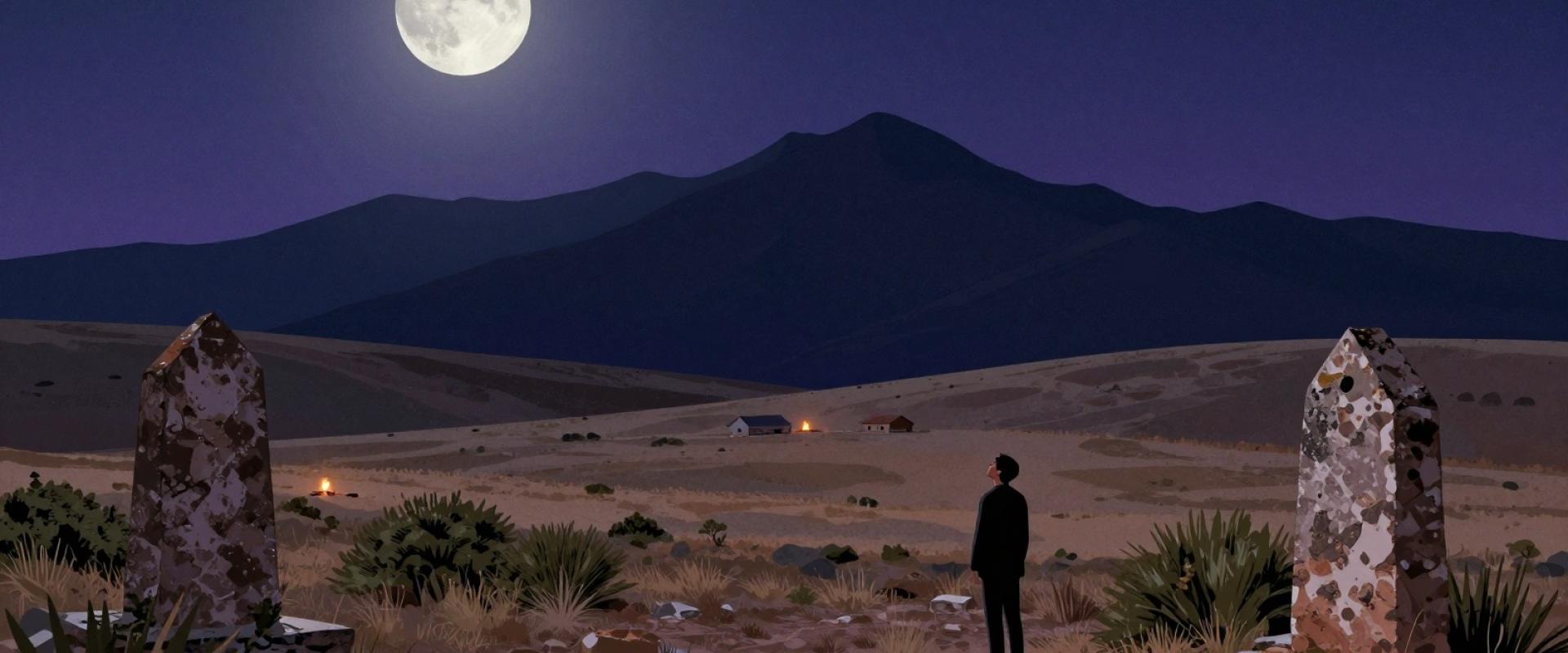
Summer nights here shed their daytime heat quickly, leaving behind a silence so deep it feels heavy. You can hear the crunch of gravel under your boots, a sound that seems unnaturally loud against the backdrop of the cosmos. The Milky Way is not just visible; it dominates, stretching across the sky like a spilled river of diamond dust.
There is no need to search for constellations with a guide. The sheer density of stars makes individual identification secondary to the overwhelming scale of the display. It is a raw, unfiltered view of the universe that re-centers your perspective without needing a lecture. This clarity is fragile, existing only because the region remains isolated from the encroaching glow of modern development. Standing there, wrapped in the crisp night air, you realize that such pristine darkness is a rare commodity. It is not just a view, but a preserved relic of the night as it was meant to be seen.
The air at this elevation is thin and sharp, a stark contrast to the humid glow of the valleys below. High up here, the sky is not just dark; it is an immersive void. Yet, that same elevation brings a biting cold once the sun dips behind the granite peaks. Your boots need to grip loose scree, and your layers must hold against the sudden chill. Ignoring the terrain invites trouble.
Local guides know these paths intimately. They spot the subtle shifts in the wind and the hidden pitfalls that casual hikers often miss. Relying on their expertise does more than keep you safe; it buys you mental space. When you are not worried about slipping on shadowed rock, your mind is free to lift. The result is a shift in perspective. You stop looking at the ground and start looking up. The Milky Way is no longer just a band of light but a textured river of dust and ancient fire. The silence of the mountains amplifies the sheer scale of what you are witnessing. It feels less like an observation and more like a presence.
The Art of the Night Sky
Cold air bites at your cheeks as you step outside, the crisp chill of the high-altitude plateau grounding you in the moment. Sierra de Baza sits far from the glow of city centers, creating a darkness so profound it feels almost physical. This remoteness clears the atmosphere, stripping away the haze that usually blurs our view of the cosmos.
You do not need expensive equipment to witness the spectacle. The Milky Way stretches across the sky like a spilled bucket of diamonds, dense and undeniable. Below, the jagged peaks of the Sierra Nevada stand in stark silhouette, framing the celestial display with ancient, rugged beauty. The silence here is heavy, broken only by the occasional crack of a freezing branch or the distant hoot of an owl.
Staring upward dissolves the boundaries of the self. Time loses its linear grip, replaced by the slow, steady pulse of rotating stars. It is a humbling experience, not because you feel insignificant, but because you feel intimately linked to the machinery of the universe. In this vast, quiet theater, you are both the audience and the actor, witnessing a history that predates your own existence by billions of years.
Whispers of the Ancients
The Sierra Nevada’s star-strewn dome feels less like a sky and more like a ceiling of ancient glass. As the sun dips below the horizon, the Milky Way spills across the dark, a river of light that has guided travelers for millennia. I have always felt that looking up here is not just about seeing; it is a conversation with history itself.
The air in Andalusia is thin and crisp, carrying a silence that feels centuries old. This dry climate strips away the haze, offering visibility so sharp it almost hurts. You are not merely observing the night; you are standing inside a timeless encounter. The stars you see are the same ones our ancestors tracked. It is a humble reminder of our place in the cosmos, a quiet nod to the enduring connection between the earth and the sky.
A Final Gaze at the Stars
The silence here is not empty; it is heavy, pressing against the eardrums with a tangible weight. Under the high dome of the Sierra de Baza, the sky is not black but a deep, velvety void, punctuated by a diamond dust of stars that seems close enough to touch. This is not just a view; it is an immersion into the cosmic scale, stripping away the noise of the modern world to reveal the ancient, rhythmic heartbeat of the universe.
As local authorities enforce strict darkness regulations, the Milky Way ceases to be a faint smudge and becomes a vibrant, swirling river of ice and fire. Standing there, the air crisp in the Andalusian night, the distinction between the observer and the observed dissolves. You are no longer a tourist looking up; you are a participant in a celestial dance that has played out for eons. This moment of quiet reflection serves as the perfect bookend to a journey through Spain’s diverse landscapes. After days of navigating bustling markets and sun-baked ruins, the stillness of the starlight offers a profound sense of peace, reminding us that we are small, fleeting parts of a vast, enduring whole.