

Two Different Night Visits
The Patronato de la Alhambra y Generalife, which manages the monument, runs two separate night tours. They are easy to confuse, and they show different parts of the site:
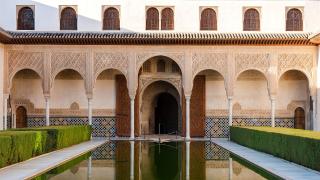
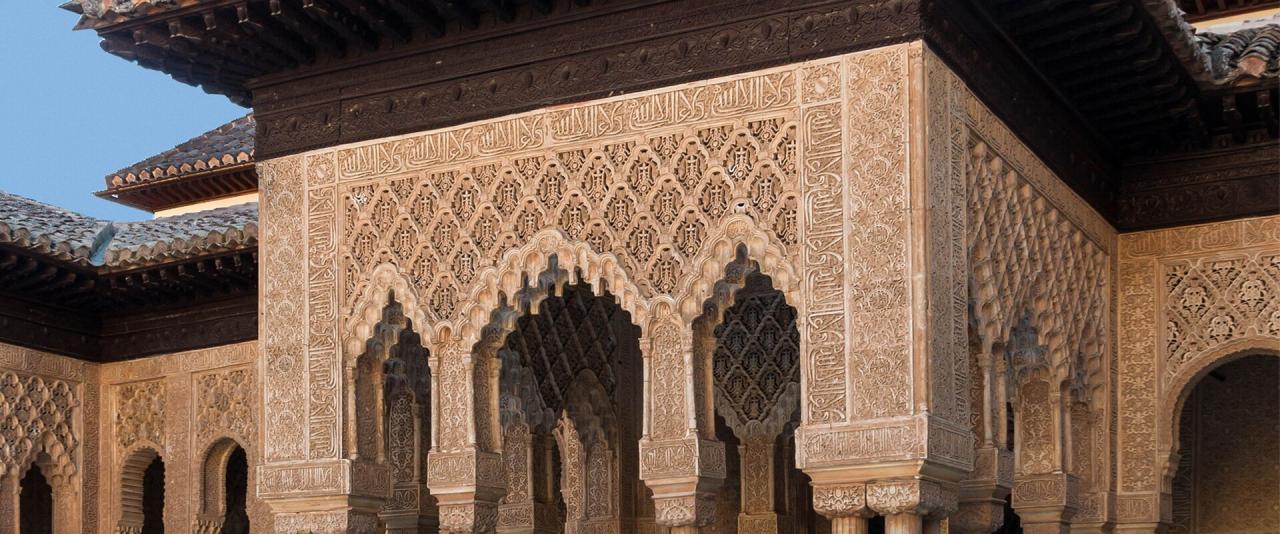
- Night Tour to the Nasrid Palaces (Visita Nocturna Palacios Nazaríes): the 14th-century royal palaces, including the Mexuar, the Cuarto Dorado, the Court of the Myrtles and the Court of the Lions, lit after dark.
- Night Tour to the Gardens (Visita Nocturna Jardines y Palacio del Generalife): the summer estate on the hill above the palaces, entered from the Generalife access pavilion and following the Paseo de los Cipreses and the garden walks.
Neither night ticket includes the Alcazaba fortress, which is only visited during the day. If you want the full monument, you need a day ticket as well, or the combined Alhambra Experiences ticket described below.
When the Night Visits Run
Times change with the seasons, so check the date of your trip against the official schedule.
Nasrid Palaces at night
- 1 April to 14 October: Tuesday to Saturday, 22:00 to 23:30 (ticket office 21:00 to 22:45)
- 15 October to 31 March: Friday and Saturday, 20:00 to 21:30 (ticket office 19:00 to 20:45)
Generalife gardens at night
- Spring (April and May) and from September into mid-October: 22:00 to 23:30
- 15 October to 14 November: Friday and Saturday, 20:00 to 21:30
The gardens night visit is not offered all year, and the official site lists it on different weekdays depending on the period, so confirm the exact days when booking. The monument is closed on 25 December and 1 January.
Prices and Booking
These are the current prices on the Patronato's official website:
- Night Tour to the Nasrid Palaces: €12.73
- Night Tour to the Gardens: €8.48
- Alhambra Experiences: €22.27, combining a night visit to the Nasrid Palaces with a day visit to the Alcazaba, the gardens and the Generalife palace
- General day ticket, for comparison: €22.27
Tickets can be bought online, by phone or at authorised machines until 23:59 the day before your visit. The limit is 10 tickets per person, bank card and month. Children under 12 go free, but their tickets must be issued at the same time as the adult tickets. Reduced prices apply to EU citizens over 65, Youth Card holders and people with a disability of 33% or more, and proof must be shown both when collecting and on the day.
The ticket is personal. If you collect it at a machine or ticket office, the person who booked must show the same ID and bank card used for the booking.
What You See at Night
The night visit to the Nasrid Palaces follows the same route as the day visit through the palace rooms, but with fewer visitors and the plasterwork, tile panels and pools lit artificially. The light falls very differently on the carved stucco and the muqarnas ceilings, and the sound of the fountains is easier to hear without daytime crowds.
What you do not get is the view. The Generalife gardens, the Alcazaba towers and the outlook over the Albaicín are what most people remember from a day visit, and at night they are either closed or in the dark. That is why many visitors combine a day visit to the grounds with a night visit to the palaces, which is exactly what the Alhambra Experiences ticket offers.
Getting There at Night
The Alhambra sits on the Sabika hill above the city centre. City minibuses run up from Plaza Nueva and Plaza Isabel la Católica, and walking up the Cuesta de Gomérez from Plaza Nueva takes around 20 to 30 minutes uphill. Late at night, check the last bus back before you go in, or plan to walk down or take a taxi. Allow extra time to get from the entrance to the start of your visit, since the complex is large and the paths are dimly lit after dark.
Practical Tips
- Book the day visit and night visit on different days if you have time. Both are tiring, and a night visit at 22:00 after a full day on the hill is a long stretch.
- Bring a layer. Granada sits at about 700 m, and evenings on the hill are cool even in late spring and early autumn.
- Arrive on time. The Nasrid Palaces can only be entered at the time printed on your ticket, at night as during the day, and visitors are expected to keep moving through the rooms.
- Check the official calendar. Special openings and changes are posted on alhambra-patronato.es, which is the only place to trust for current times.