






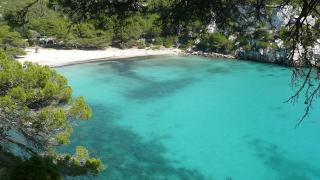

AI-generated illustration
6-day itinerary
Balearic Islands Highlights Tour
Six-day tour of Balearic Islands highlights
- Length
- 6 days
- Pace
- Moderate
- Estimated cost
- €360 per person
- Based in
- Balearic Islands
Practical information
The optimal time to visit the Balearic Islands, particularly for a six-day itinerary, is during the shoulder seasons of late spring (May to June) or early autumn (September to October). During these months, temperatures are pleasantly warm, typically ranging from 20°C to 25°C, making them ideal for both coastal relaxation and hiking. The peak summer months of July and August offer the warmest weather but bring intense crowds, higher prices, and limited availability, so booking well in advance is essential.
Transportation within the archipelago is best managed by combining air and local transit. Most international travelers fly into Palma de Mallorca (PMI), the main hub, with direct connections to major European cities. From the airport, the most efficient way to reach other key areas, such as the northern coast or inland villages, is via the EMT bus network, which is affordable and reliable. For greater flexibility, especially when exploring remote coves or the rugged interior, renting a car is highly recommended. This allows for independent exploration of the island’s diverse landscapes, from the limestone cliffs of Cap de Formentor to the historic town of Valldemossa.
Accommodation options are diverse, ranging from luxury resorts in Puerto Portals to boutique hotels in Palma’s historic center. For a balanced experience, consider staying in Palma for the first two nights to explore the city’s culture and markets, then moving to a smaller town like Alcúdia or Cala d’Or for the remainder of the trip to enjoy a more relaxed, beach-focused atmosphere. This approach provides a comprehensive view of the island’s character.
Budget considerations should account for the high seasonality of the region. While accommodation and flights can be expensive during peak summer, booking in advance can secure better rates. Daily expenses for meals and local transport are moderate, but dining in tourist-heavy areas can be costly. It is advisable to budget for occasional splurges on fine dining or guided tours, balanced with affordable local tapas bars.
Packing should focus on lightweight, breathable clothing suitable for warm weather, along with sturdy footwear for hiking and exploring rocky terrain. Essential items include sun protection, swimwear, and comfortable walking shoes. Additionally, travelers should be prepared for limited mobile signal in remote areas, so downloading offline maps is recommended. Finally, always carry a copy of important documents, such as your passport and travel insurance, to ensure a smooth and stress-free journey.