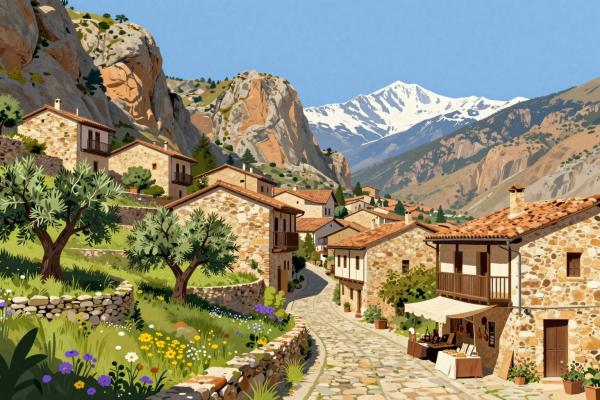





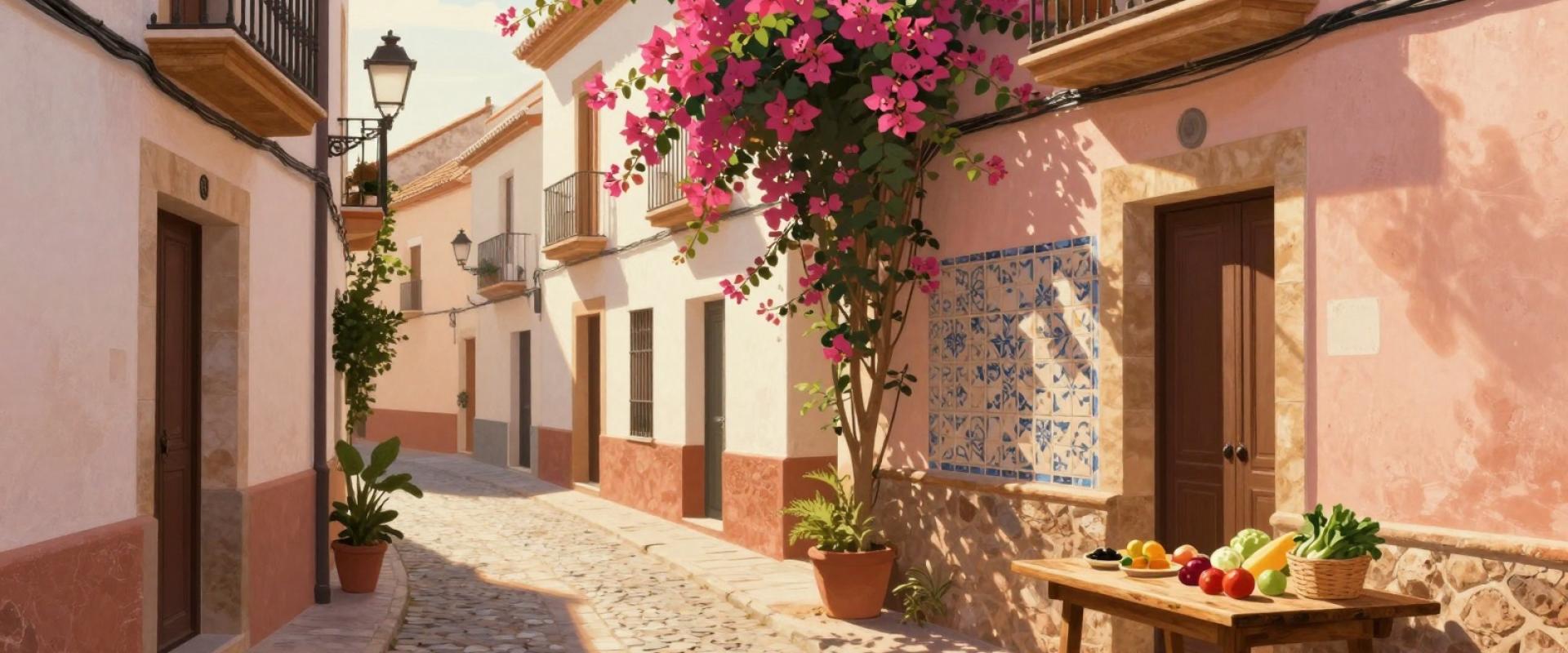
AI-generated illustration
4-day itinerary
Murcia Highlights Tour
4-day tour of Murcia's historic sites and coastal gems
- Length
- 4 days
- Pace
- Moderate
- Estimated cost
- €240 per person
- Based in
- Murcia
Practical information
Murcia offers a mild climate, making it accessible year-round, though the optimal times to visit are spring (April to June) and autumn (September to October). During these months, temperatures are pleasant for exploring, whereas July and August can be intensely hot, with temperatures frequently exceeding 35°C. For a comfortable experience, plan your visit outside the peak summer heat, especially if you plan to engage in the outdoor activities suggested by local guides, such as hiking in the Sierra de Carrasco or exploring the coastal areas.
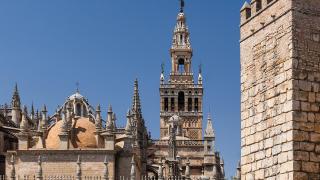
Getting to Murcia is straightforward, with the region well-connected by high-speed rail (AVE) to Madrid and other major Spanish cities. The AVE station is centrally located, providing easy access to the city center. Once in Murcia, the historic center is compact and highly walkable, allowing visitors to explore key sites like the Cathedral, the Bishop’s Palace, and the Plaza de los Flores on foot. For those wishing to explore the wider region, such as the Ricote Valley or the coastal town of Cartagena, renting a car is highly recommended. Public buses are available but may have limited schedules, making a car the most flexible option for visiting rural areas like Mula or the Calblanque natural park.
Accommodation is best secured in the historic center, particularly around the Plaza de los Flores or near the Cathedral. These areas provide easy access to restaurants, cafes, and major attractions, enhancing the convenience of the trip. Staying in this central zone allows for easy access to local tapas bars and cultural sites, ensuring a seamless experience.
Budget considerations should account for the cost of living, which is generally lower in Murcia compared to other major Spanish cities. However, dining out, especially in popular areas, can still be a significant expense. It is advisable to budget for meals, accommodation, and transportation, keeping in mind that some attractions, such as the Roman ruins in Cartagena, may require additional entry fees.
When packing, bring comfortable walking shoes for exploring the historic center and hiking trails, as well as lightweight, breathable clothing suitable for warm weather. Sun protection, including sunscreen and a hat, is essential, especially during the summer months. Additionally, carry a reusable water bottle, as staying hydrated is crucial in the warm climate. Finally, be prepared for varying weather conditions, especially if planning to engage in outdoor activities, by packing layers and a light jacket for cooler evenings.