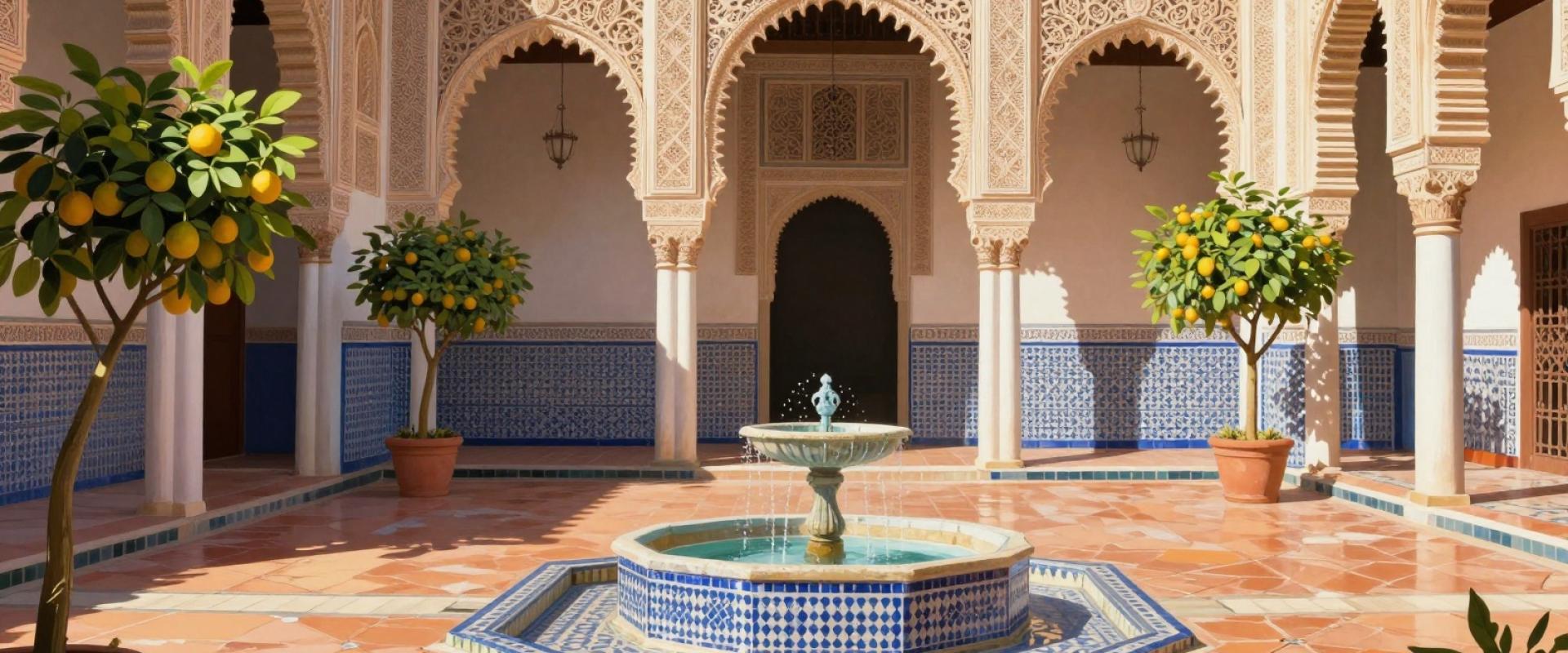
Historical Foundations and Moorish Legacy
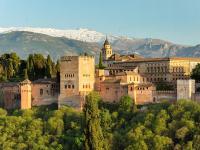
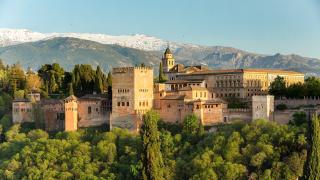
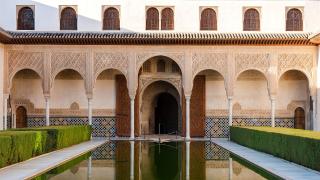
Moorish influence defines southern Spanish architecture, particularly in Andalusia. This region features the Mudéjar style, a unique fusion of Islamic and Christian elements. Key architectural features include intricate brickwork, horseshoe arches, and geometric tile patterns. These design elements reflect the complex cultural history of the Iberian Peninsula. The Alhambra in Granada stands as a prime example of this heritage. Its intricate stucco work and geometric precision remain iconic. The Alcázar in Seville also showcases this distinct aesthetic. Visitors can observe these details in the southern provinces. The style blends religious symbolism with artistic craftsmanship. It creates a visual language unique to Spain. Understanding these features helps travelers identify historical layers in buildings. The integration of Islamic design into Christian structures is notable. This architectural legacy persists in many historic sites. It offers a tangible link to the region's past. Exploring these structures provides insight into cultural exchange. The visual impact remains significant for modern observers. The craftsmanship demonstrates high technical skill and artistic vision. This heritage remains a central feature of Spanish identity.
Gothic Grandeur and Structural Evolution
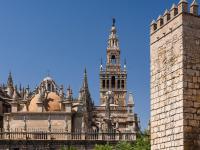
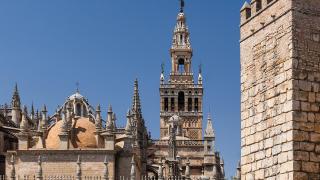
Spanish Gothic architecture emphasizes verticality and intricate detail. This style often exceeds French counterparts in ornate complexity. Elaborate stone carving defines the structural aesthetic. These features reflect the growing wealth of Spanish cities. Urban power surged during the late Middle Ages. Seville Cathedral stands as a primary example. Its scale demonstrates significant civic ambition and resources. Burgos Cathedral offers another key architectural reference point. Both structures showcase distinct regional interpretations of the style. The design prioritizes height and light penetration. Intricate facades display high levels of craftsmanship. This approach distinguishes Spanish Gothic from other European variants. The evolution mirrors political stability and economic growth. Cities invested heavily in monumental religious structures. These buildings served as centers of community life. The architectural language remained consistent yet locally adapted. Structural innovations allowed for larger interior spaces. Stone masonry techniques reached new levels of precision. The legacy remains visible in major urban centers. Visitors can observe these details in preserved cathedrals. The style represents a peak in medieval engineering. It continues to define Spain's architectural heritage today.
Renaissance, Baroque, and Churrigesteresque Exuberance
The Plateresque style defines Spanish Renaissance architecture. It features intricate stone carving resembling silverwork. This detailed aesthetic adorns many university facades. The University of Salamanca serves as a prime example. Its exterior displays elaborate sculptural elements typical of the era. This style bridges Gothic traditions with Renaissance humanism. It remains distinct to Spanish architectural history.
The Baroque period introduced extreme ornamentation to Spanish buildings. Architects emphasized dramatic use of light and shadow. This created intense visual impact on religious structures. The style evolved into the Churrigueresque variant. This movement prioritized overwhelming decorative complexity. Facades of churches and cathedrals exemplify this style. The Churrigueresque style pushes ornamentation to its limits. It transforms building surfaces into intricate stone lace. This unique Spanish contribution defines Baroque architecture locally. It distinguishes Spanish structures from other European styles. The visual intensity remains a key historical feature.
Modernism and Contemporary Innovations
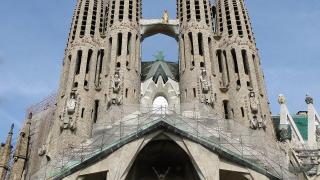
Modernisme emerged in late 19th-century Spain as a distinct cultural movement. It profoundly impacted regional architecture, particularly in Catalonia. Antoni Gaudí stands as the most famous architect associated with this style. His works define the iconic skyline of Barcelona. The Sagrada Família remains his most celebrated unfinished basilica. Casa Milà showcases his unique approach to residential design. These structures feature organic forms inspired by nature. Intricate stone carving and wrought iron details are common. Natural materials like ceramic tiles and wood are prevalent. The style rejects rigid geometric lines for fluid shapes. This aesthetic distinguishes Spanish Modernisme from other European movements. Visitors should book tickets for major sites in advance. The movement’s legacy is visible in Barcelona’s urban fabric. It represents a peak in Spanish artistic innovation. Contemporary architects still draw inspiration from these historical forms. The movement’s influence extends beyond architecture into design arts.
Book tickets for major sites like the Alhambra and Sagrada Família well in advance. These iconic structures attract massive global crowds daily. Online reservations are essential to secure entry. Check opening hours carefully, as many sites close during siesta. Some museums shut on specific weekdays, often Mondays. Plan your itinerary around these local closure patterns. Accessibility varies significantly across historic Spanish buildings. Research options in advance for sites with mobility challenges. Many older structures lack modern elevator installations. Consider guided tours for skip-the-line access. These tours often provide detailed historical context. Local guides explain nuances of Moorish and Gothic styles. This approach saves time and enhances understanding. Use official websites for accurate, up-to-date scheduling. Avoid last-minute visits to popular landmarks. They frequently sell out weeks ahead. Prioritize early morning slots for better lighting. This timing is ideal for architectural photography. Respect local customs regarding dress codes. Some religious sites require covered shoulders and knees. Verify specific requirements before your visit. This ensures a smooth and respectful experience. Focus on key cities like Granada and Barcelona. These locations offer the highest concentration of significant architecture. Efficient planning maximizes your time in Spain.