







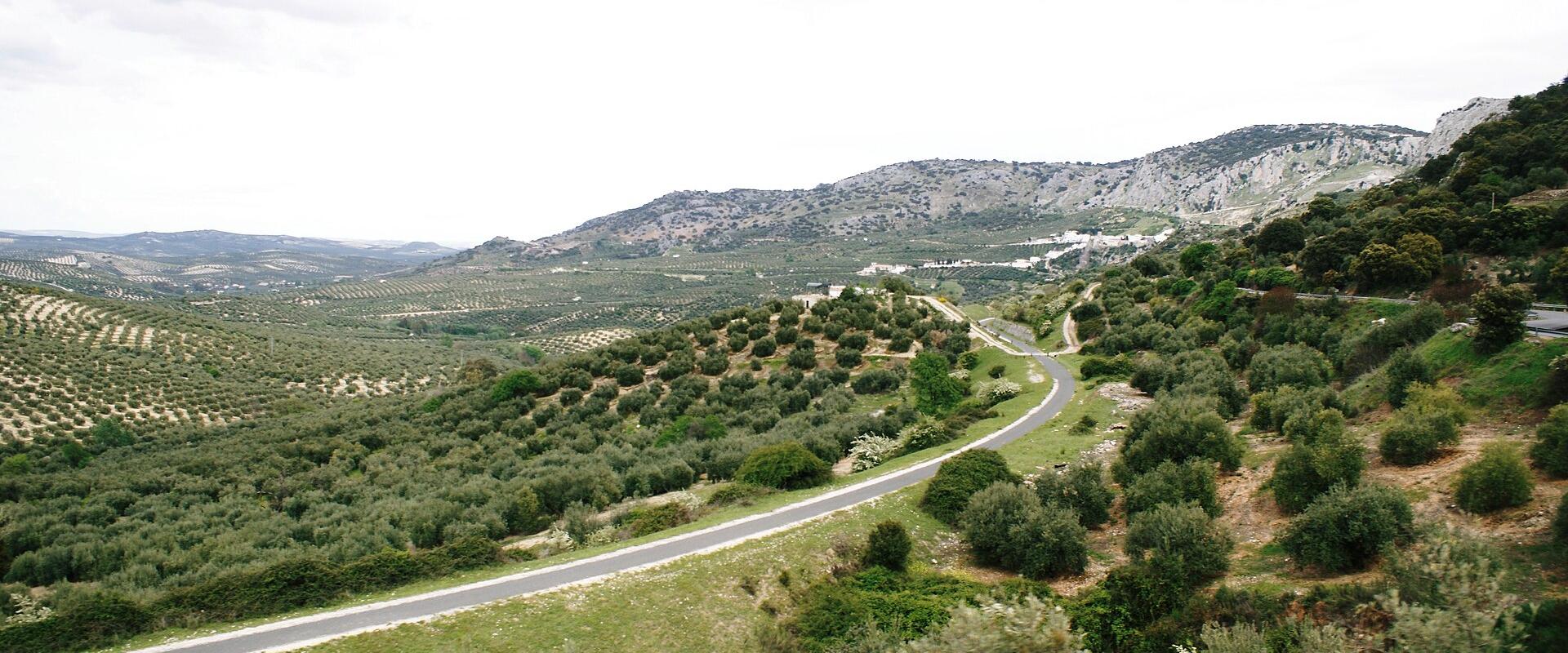
Spain offers diverse cycling infrastructure, primarily through the Vía Verde network. These routes utilize converted railway lines, providing safe, flat, and car-free paths. This network is ideal for leisure cyclists seeking accessible, low-impact travel. In contrast, rural routes present more significant challenges. These paths often traverse rugged terrain, requiring greater physical effort and technical skill. The Spanish landscape varies greatly, ranging from coastal plains to mountainous regions. Cyclists must select appropriate road types based on their fitness and experience. Urban areas offer dedicated lanes, while rural areas may lack specific infrastructure. It is crucial to assess road conditions before starting. Rural routes often involve steeper gradients and less predictable traffic. Safety depends on choosing the correct vehicle and route. Always verify the difficulty level of the chosen path. Planning is essential for a safe and enjoyable experience across Spain's varied terrain.
Legal Framework and Safety Protocols
Spanish traffic laws mandate specific safety gear for cyclists. Riders must wear a reflective vest in all areas outside built-up zones. This rule applies to all cyclists, including children. You must carry a warning triangle on longer rides. This equipment is essential for visibility on open roads. Helmet use is mandatory for all riders under eighteen years old. Adults are not legally required to wear helmets on standard roads. However, safety experts strongly recommend wearing protective headgear at all times. Mobile phone usage is strictly prohibited while cycling. You must stop completely to use a mobile device. Hands must remain on the handlebars at all times. Spanish law requires front white lights and rear red reflectors. These lights are mandatory for night riding or low visibility. Road position rules require cyclists to stay to the right. Overtaking must occur on the left side only. Always signal turns clearly with hand gestures. This ensures other drivers anticipate your movements. Local authorities enforce these rules strictly in urban areas. Penalties apply for non-compliance with safety regulations. Always check local regulations before traveling to new regions. Safety protocols vary slightly by autonomous community. Always prioritize visibility and clear communication with other road users. This approach minimizes risk and ensures a safe cycling experience throughout Spain.
Rental Logistics and Bicycle Types
Major cities like Madrid and Barcelona offer extensive bike rental services. Tourists can rent road, mountain, or electric bikes locally. E-bikes are popular for navigating Spain’s varied terrain. Rental agencies typically require a valid passport and credit card. A security deposit is standard for all rentals. Most companies provide a basic safety check before handing over the bike. Riders should inspect brakes and tires immediately. Spanish traffic laws mandate reflective vests for rural rides. This rule applies to all cyclists outside built-up areas. Rental agreements usually include a helmet and basic lock. Some agencies offer GPS navigation tools for an extra fee. It is crucial to verify insurance coverage for theft or damage. International travelers should carry their rental agreement at all times. Local authorities may request identification during routine checks. Always return the bike with the same fuel or charge level. Late returns often incur additional daily fees. Reading the fine print prevents unexpected charges. Ensure you understand the cancellation policy before booking. Clear communication with the rental agent is essential. This ensures a smooth and safe cycling experience across Spain.
Regional Route Highlights and Terrain
Spain’s terrain varies significantly by region. Northern regions offer lush, green landscapes. The climate here is mild and wet. Routes in Galicia feature moderate gradients. These paths suit leisure cyclists well. Southern regions present a different challenge. Andalusia offers hot, dry conditions. The terrain is often rugged and steep. Summer heat makes midday riding difficult. Riders must plan for early starts. Seasonal timing is critical for safety. Summer heat requires early morning starts. Hydration is essential in the south. Northern routes suit spring and autumn. Southern routes are best in cooler months. Fitness levels must match the terrain. Steep gradients require strong physical conditioning. Flat routes suit casual recreational riders. E-bikes assist with steep northern gradients. Local knowledge helps navigate regional differences. Always check local weather forecasts. Plan routes based on current conditions. Safety depends on accurate preparation. Spanish infrastructure supports diverse cycling needs. Regional differences define the riding experience.
Practical Tips for Safe and Enjoyable Cycling
Spanish traffic laws mandate specific safety gear. Riders must wear a reflective vest outside built-up zones. This rule applies to all cyclists, including children. Spain lacks a comprehensive national bike path network. You must navigate roads with other traffic. Plan routes carefully before starting. Check weather conditions daily. Summer heat requires extra hydration. Carry sufficient water for long rides. Wear a helmet for head protection. Reflective clothing increases visibility to drivers. Check tire pressure before every ride. Inspect brakes for proper function. Carry a basic repair kit. Include a spare tube and pump. Know local emergency numbers. Keep a charged mobile phone. Inform others of your route. Ride with caution on steep gradients. Northern regions offer cooler, wetter conditions. Southern regions are hotter and drier. Adjust your pace to the heat. Stay hydrated to prevent fatigue. Respect local traffic laws strictly. Obey all traffic signals and signs. Yield to pedestrians when required. Use hand signals for turning. Ride in the direction of traffic. Avoid riding at night without lights. Plan rest stops regularly. Take breaks to rehydrate and rest. Enjoy the diverse Spanish landscapes safely.