







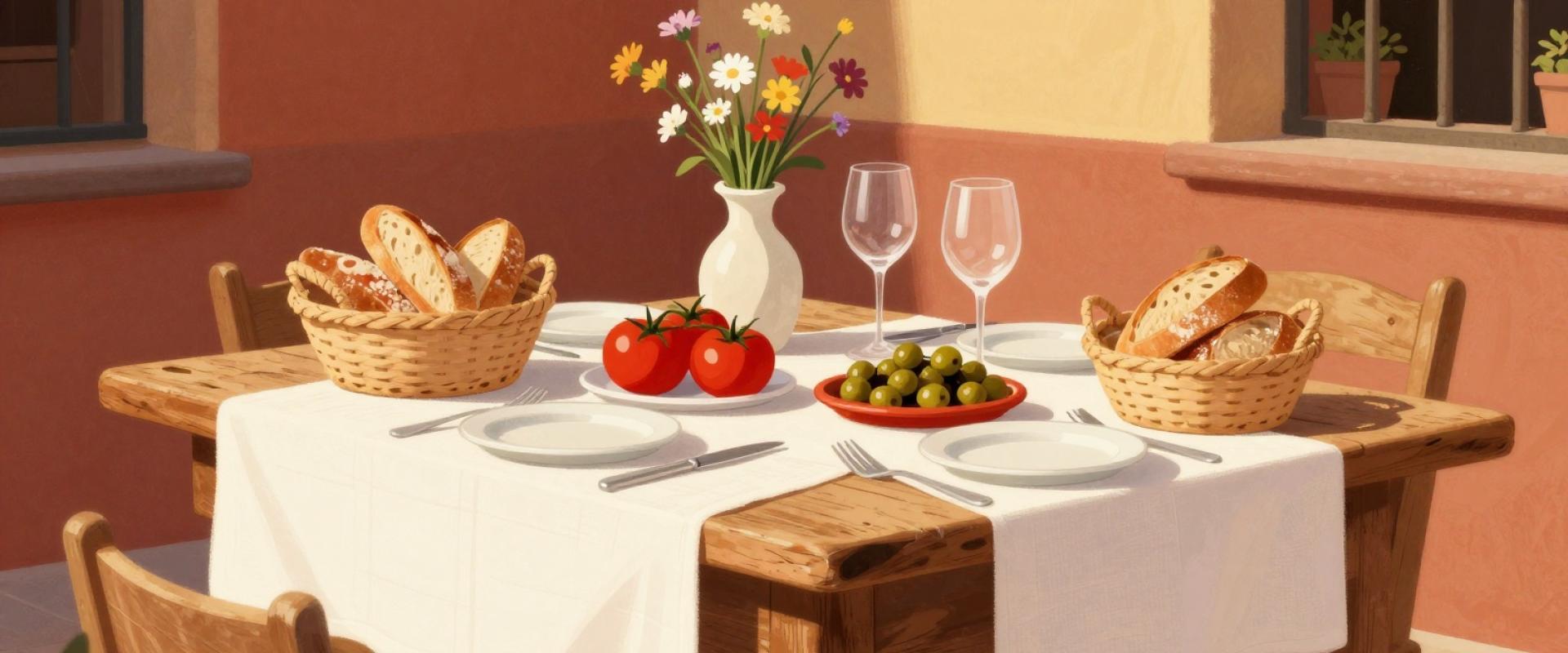
Spanish dining follows a distinct daily rhythm. Lunch occurs late, typically between 2:00 PM and 3:30 PM. Restaurants often close during these peak hours. Dinner service begins much later, usually after 8:30 PM. Many establishments do not open until 9:00 PM. This schedule reflects a cultural emphasis on leisure. Efficiency takes a backseat to social interaction. Travelers must adjust their itineraries accordingly. Plan light snacks for mid-afternoon hunger. Markets in regions like San Sebastian offer fresh local ingredients. Spain produces the world’s largest volume of olive oil. Cured ham, known as Jamon, remains a staple. Regional cuisines vary significantly from Seville to the Basque Country. Understanding these local customs prevents dining frustrations. Aligning with local meal times enhances the experience. Communal dining is central to Spanish food culture. Fresh ingredients drive the culinary identity across diverse landscapes.
The Art of Sobremesa
In the vibrant tapestry of Mediterranean culture, the meal does not end when the last plate is cleared. This is the essence of sobremesa, a Spanish tradition that celebrates the leisurely extension of time after the final bite. It is not merely about digestion, but about connection. Here, the focus shifts entirely from the food to the people, transforming the table into a sanctuary for conversation, laughter, and deep reflection.
To embrace sobremesa is to reject the hurried pace of modern life. It is an art form that values quality time over speed, encouraging individuals to savor not just the flavors of the meal, but the warmth of human connection. In this space, time seems to suspend, allowing for meaningful dialogue and the strengthening of bonds. It is a reminder that eating is not merely a biological necessity, but a profound social ritual that nourishes the soul as much as the body, fostering intimacy and community through the simple, shared act of staying at the table together.
Regional Culinary Diversity
Spanish cuisine varies significantly by region. Culinary identity relies on local landscapes and climate. Northern regions favor hearty, meat-based dishes. Southern regions emphasize olive oil and fresh vegetables. This diversity stems from historical Moorish and Roman influences. Paella originates specifically from Valencia, not the whole country. It is a regional specialty, not a universal standard. Chefs prioritize fresh, local ingredients in their preparations. Communal dining remains a central cultural practice. The country produces the world’s largest volume of olive oil. Cured ham, or jamón, is a staple ingredient. These elements define the authentic Spanish culinary experience. Travelers should respect these local traditions and specialties. Understanding regional differences enhances the dining experience. Local markets offer the freshest seasonal ingredients. Wine selections often complement the specific regional cuisine. This approach ensures an authentic culinary experience.
Tapas Etiquette and Sharing
Tapas are small, shared plates central to Spanish dining. They are not individual portions. Groups order several dishes to share. This encourages communal interaction. You must be polite when reaching for food. Do not cross the table with your arm. Use the serving utensils provided. Regional variations exist in service style. In some bars, tapas are free with a drink. In others, they are paid appetizers. The variety is vast. Options range from simple olives to complex seafood. Always check the menu for specific pricing. Do not assume all tapas are free. The experience is about sharing, not just eating. This social aspect is integral to the culture. You will often see groups discussing the food. This is a key part of the experience. Respect the shared nature of the meal. It is a core value in Spanish dining.
Wine Culture and Pairing
Wine is a fundamental staple in Spanish culinary culture. It complements the diverse regional cuisine across the country. Spain is the world’s largest producer of olive oil, which often pairs with local wines. The culinary identity relies on fresh, local ingredients and historical influences. Traditional pairings often feature local wines alongside regional specialties. For instance, robust reds from La Mancha often accompany rich stews. In the north, crisp whites may accompany fresh seafood. The culture emphasizes communal dining. Bottles are typically shared among the table. This practice encourages social interaction during the meal. You should appreciate the local viticulture specific to each region. Spanish winemaking traditions are deeply rooted in local terroir. The variety of grapes reflects the diverse climate. Understanding these local nuances enhances the dining experience. It is essential to respect the local traditions. Pairing local wine with local food is the standard norm. This approach honors the regional culinary heritage. Always check the specific regional characteristics before ordering. This ensures an authentic culinary experience.
Tipping and Bill Splitting
In Spain, service charges are typically included in the bill. Tipping is not mandatory. It is a gesture of appreciation for good service. Rounding up the total is the standard practice. For a standard meal, leaving one or two euros is sufficient. This is common in tapas bars and casual restaurants. For high-end dining, a five percent tip is appropriate. Always check the bill for included service fees. Splitting bills is common among groups. However, some restaurants may charge extra for splitting checks. It is best to ask the waiter first. Cash is still widely used for small tips. You can leave small change on the table. This is a polite way to show gratitude. Always ensure the bill is settled before leaving. Spanish dining is leisurely, so take your time. Do not rush the waiter for the check. This is considered impolite. Wait until the bill is brought to you. Then, pay and tip as agreed. This ensures a smooth and respectful dining experience. Always be polite and patient with the staff. This is key to a good experience in Spain.