






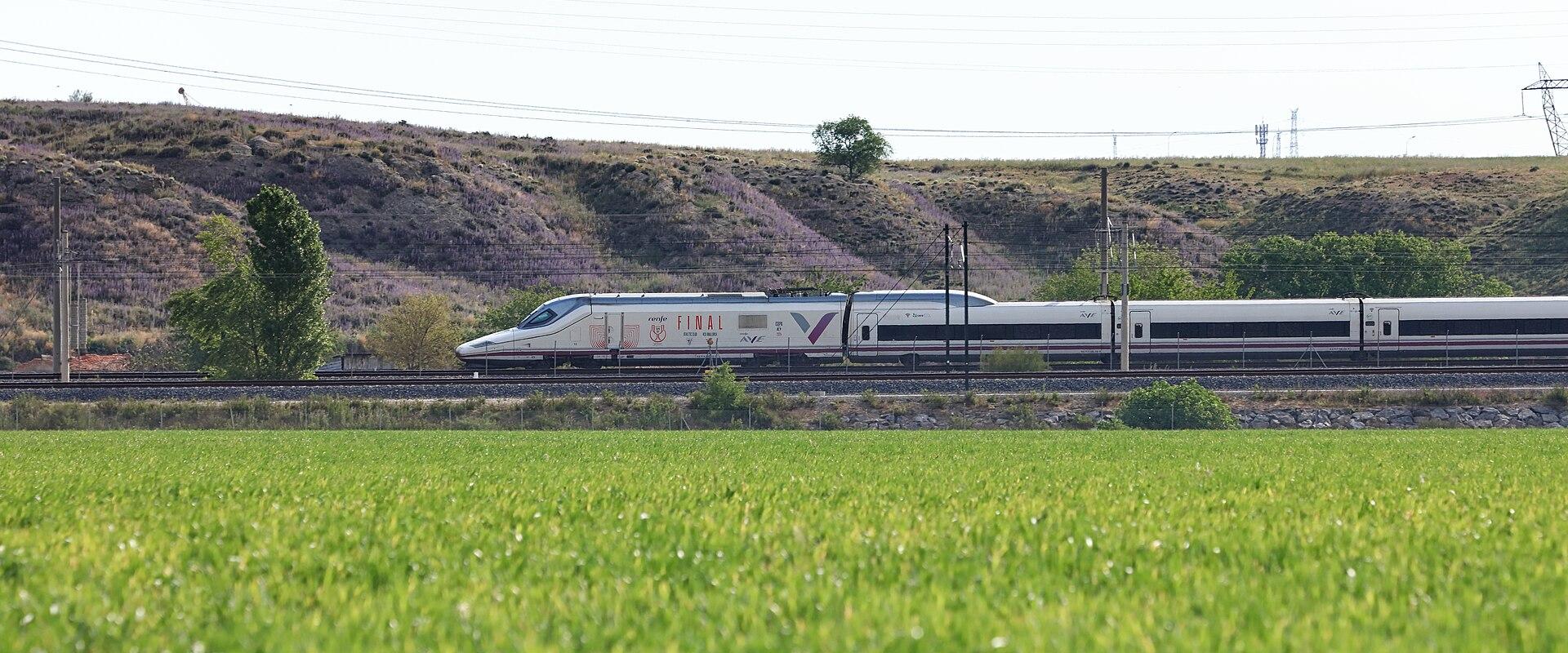
Spain’s transport network centers on Madrid. This radial hub connects all major regions efficiently. High-speed AVE trains link major cities like Madrid, Barcelona, and Seville. These trains offer the fastest travel between major urban centers. Renfe operates these high-speed services alongside regional trains. Regional trains serve smaller towns and secondary destinations. Intercity buses fill gaps where rail infrastructure is absent. These buses connect rural areas to major urban hubs. Ferries provide essential links to the Balearic and Canary Islands. Ferries also connect the mainland to North African ports. Travelers must plan routes carefully around these specific networks. The radial structure means some trips require passing through Madrid. Direct routes exist, but they are less frequent. Bus travel offers flexibility for remote rural areas. Ferries are essential for island access and international travel. Planning ahead is crucial for seamless travel across the country. The infrastructure supports both domestic and international transit needs effectively.
High-Speed Rail and Regional Trains
AVE trains connect major Spanish cities efficiently. High-speed travel saves significant time compared to driving. The AVE network links Madrid, Barcelona, and Seville effectively. Booking in advance is crucial for lower fares. Dynamic pricing adjusts ticket costs based on demand. You should book early to secure the best rates. Renfe offers various fare classes with different benefits. Regional trains serve secondary routes and scenic areas. These services are slower but cover more ground. They connect smaller towns not reached by high-speed lines. Station navigation requires attention to digital display boards. Platforms change frequently, so check screens regularly. Luggage handling is generally straightforward on Spanish trains. Overhead racks accommodate standard suitcases and carry-ons. Staff assistance is available for heavy items at stations. Consider purchasing a travel card for frequent regional trips. This option provides cost savings for local commuters. High-speed trains offer comfortable seating and onboard services. Dining cars are available on most long-distance AVE routes. Regional trains may have limited or no onboard facilities. Plan your journey time to account for station transfers. Madrid’s Atocha and Chamartín stations are major hubs. Barcelona’s Sants station serves as a key interchange point. Always validate tickets before boarding regional services. Failure to validate may result in fines. Spanish trains prioritize punctuality and passenger comfort. The infrastructure supports both business and leisure travelers effectively.
Urban Metro and City Transit
Madrid’s metro system spans over 300 stations across the capital. Single tickets cost €1.50 for local travel. A multi-card, Metrobus, costs €2.50 and holds ten journeys. This card works for both metro and bus networks. Validation is mandatory upon entry and exit. Fines for invalid tickets are substantial and strictly enforced.
Barcelona uses the T-Casual integrated ticketing system. This card allows ten trips across metro, bus, and tram lines. The price is approximately €12.20. It is non-transferable between individuals after first use. Tourists should validate tickets before boarding any vehicle. The network covers the entire metropolitan area efficiently.
Valencia offers a combined metro and tram network. The Metrovalencia system connects the city center with suburbs. Single tickets are available at automated machines. Integration with local buses allows seamless transfers. The system operates from early morning until late night.
Smaller cities like Seville and Bilbao have compact metro lines. These systems provide quick access to key districts. Bus networks complement rail services in all major cities. Always carry exact change or a rechargeable card. Validation rules vary slightly by city but remain strict. Plan routes using official apps for real-time updates.
Intercity Bus and Coach Travel
Spain’s intercity bus network offers a vital alternative to rail. Major operators like ALSA, Avanza, and Monbus dominate the market. These companies connect smaller towns often missed by high-speed trains. Bus travel is significantly cheaper than AVE rail services. Fares can be up to 50% lower than train tickets. However, journeys take considerably longer due to road distances. You must book long-distance routes in advance for best prices. Last-minute bookings often result in inflated costs and limited seats. Luggage handling is generally straightforward on Spanish coaches. Most operators allow one carry-on and one checked bag. Ensure bags are securely fastened to prevent theft during stops. Road conditions in Spain are excellent, ensuring smooth travel. Most highways are well-maintained toll or free roads. Comfort varies by operator, but modern coaches are standard. Air conditioning and Wi-Fi are common features on long routes. Travel times depend heavily on traffic and route complexity. Rural routes may involve frequent stops at small villages. Always check specific operator websites for exact schedules. Prices fluctuate based on demand and seasonality. Booking early secures both lower fares and preferred seats. This strategy is crucial for popular summer travel periods. Buses provide access to remote areas efficiently. They are the primary transport for many rural communities. Consider buses when rail options are unavailable or expensive. This mode offers flexibility for complex itineraries. Safety records for Spanish coach companies are strong. Drivers adhere to strict European transport regulations. Overall, buses provide a cost-effective, albeit slower, travel solution.
Practical Logistics and Ticketing
Purchase high-speed rail tickets online via Renfe. Advance booking secures lower fares significantly. Last-minute purchases often cost double the standard rate. Discount cards like the Tarjeta Joven offer substantial savings for young travelers. These cards reduce fares by up to 40 percent on AVE trains. Regional passes also exist for specific autonomous communities. Always verify eligibility requirements before purchasing. Credit and debit cards are widely accepted in urban centers. However, smaller bus stations and rural ticket counters prefer cash. Carry sufficient euros for these transactions. ATMs are readily available in cities but scarce in remote villages. Operating hours for ticket offices vary by region. Major stations remain open late, but smaller stops close early. Check specific station websites for accurate schedules. Schedule changes occur frequently during holidays and strikes. Download official apps like Renfe or ALSA for real-time updates. These tools provide immediate notifications about delays or cancellations. Plan buffer time for connections between different transport modes. Spanish trains often depart exactly on time. Late arrivals may result in missed connections without compensation. Always validate paper tickets before boarding regional trains. Failure to validate results in heavy fines. Inspect your ticket details for correct dates and times. Errors are difficult to correct once you are on board. Stay informed about local transit strikes, which are common. These events can disrupt travel plans for days. Monitor news sources for strike announcements before traveling.